

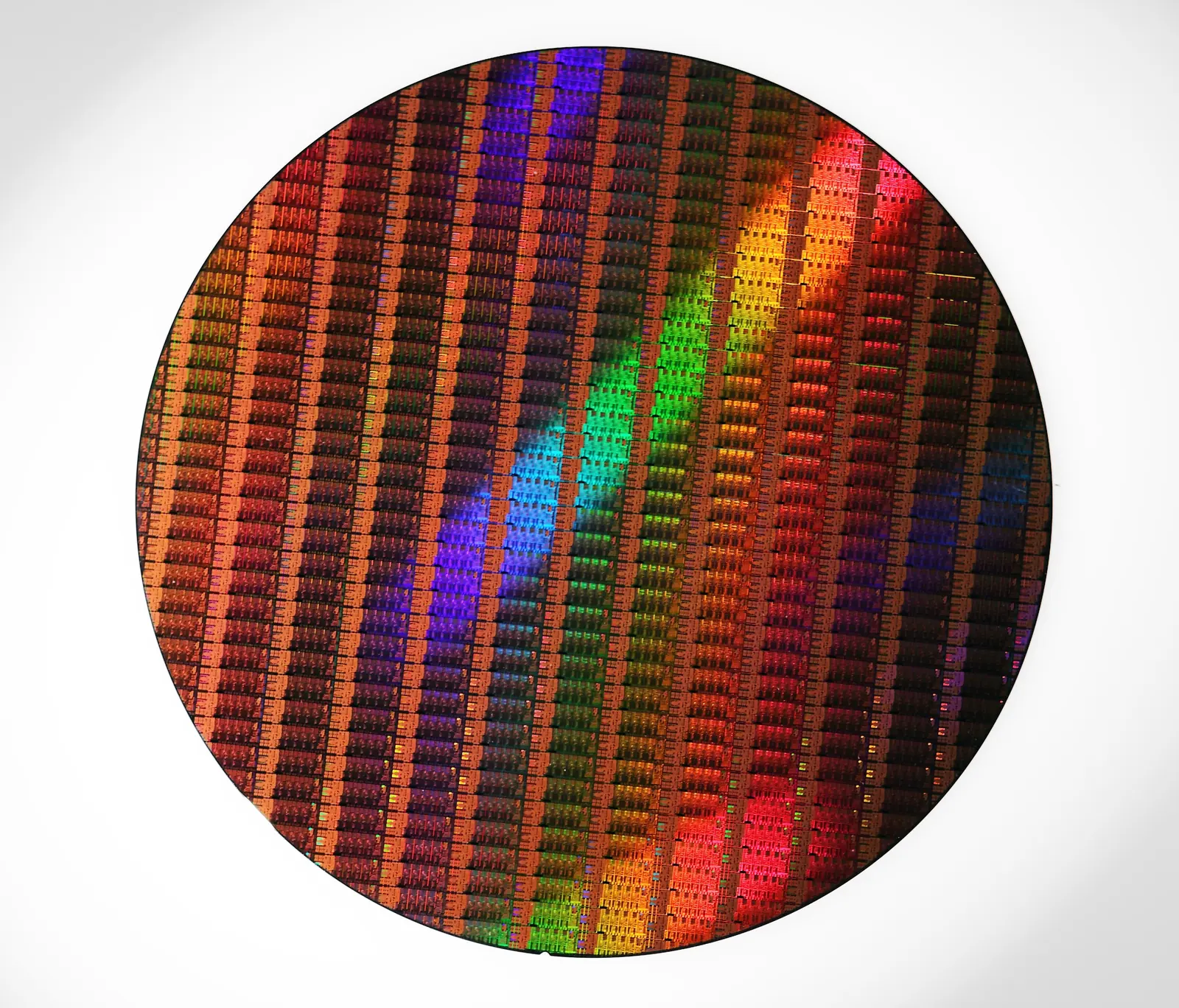
AI and its hardware
Chips, servers, metals: the hardware share of AI barely shows in electricity figures. In the life cycle assessment of Mistral Large 2, server manufacturing accounts for 61% of metal consumption and computing for 29%.
By Projet Celsius
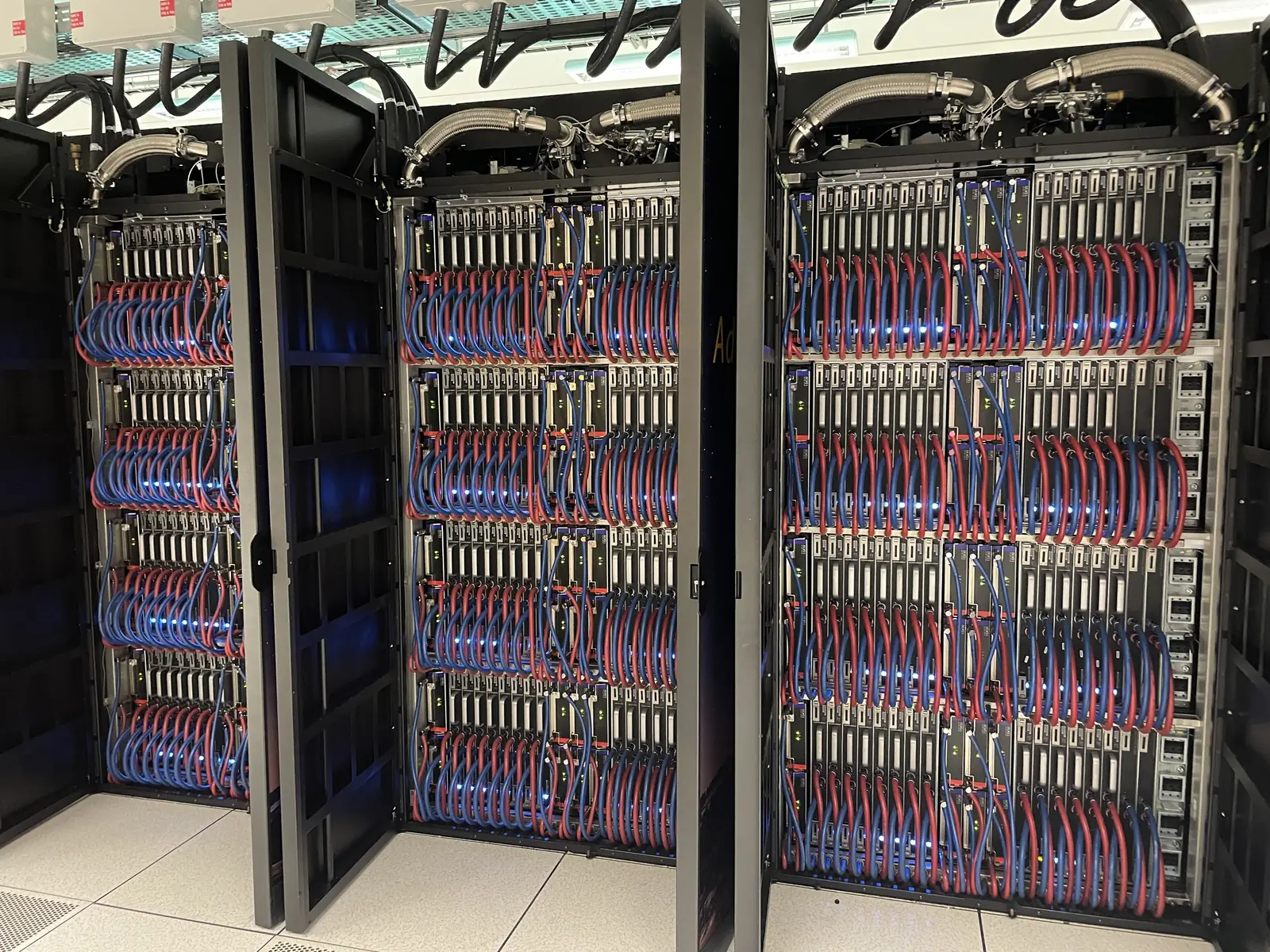 Focus areaSemiconductorsThe cost of manufacturing AI chips and servers.Open the focus area →
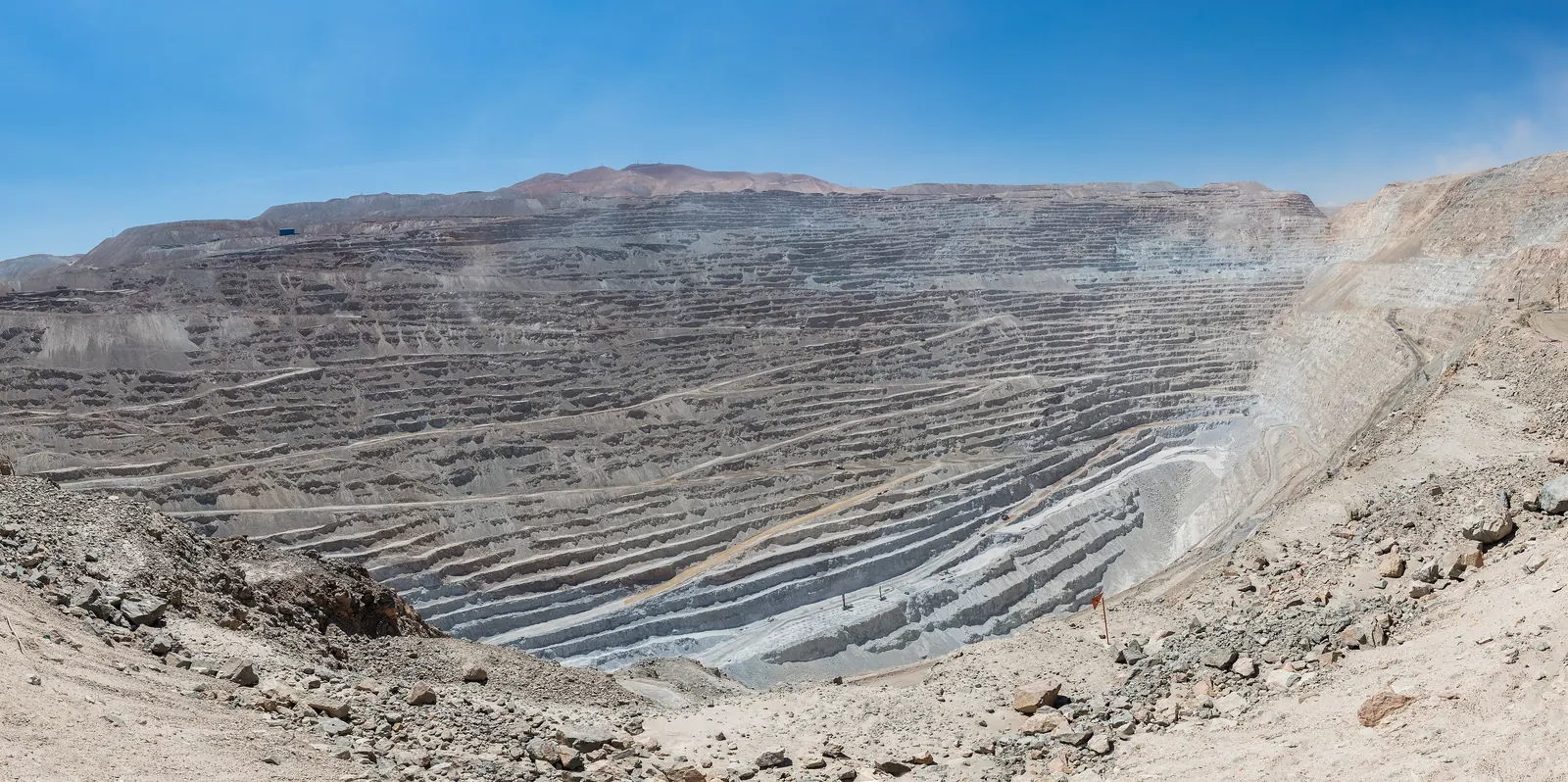 Focus areaMetals and resourcesThe hardware share of AI in published life cycle assessments, and the materials it requires.Open the focus area →
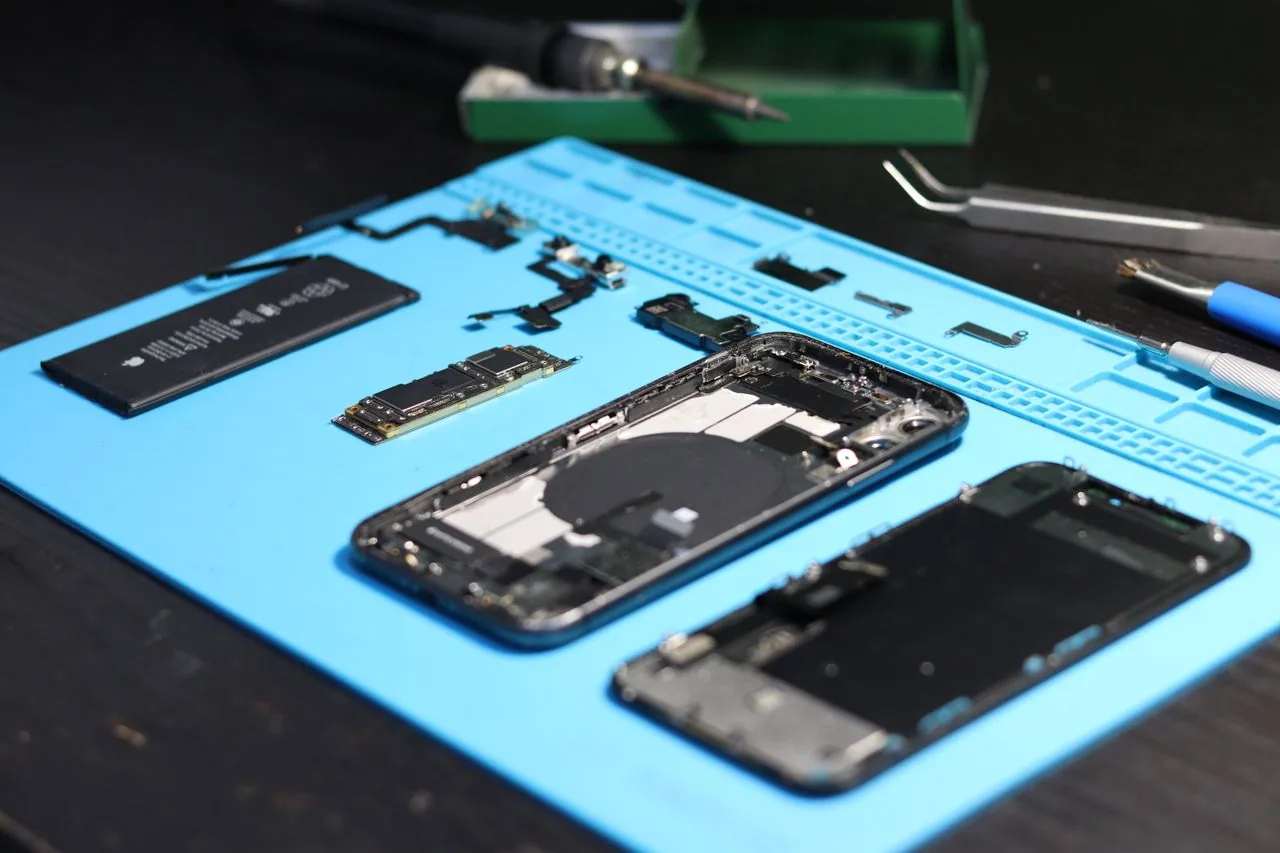 Focus areaRecycling and reuseThe lifespan of devices and the electronic waste that AI could add.See its charts →
Charts and maps of the topic
Charts and maps →Focus area
Chart2023 and 2024Electricity for manufacturing AI chips2023218 GWh2024984 GWhGreenpeace East Asia, April 2025ChartOne model · 2025Life cycle assessment of Mistral Large 2climatewater86%of emissions, share from computingMistral AI, Carbone 4 and ADEME, 2025Chart2020 to 2030Electronic waste and AIWorld, 202262 MtWorld, 203082 MtGenerative AI, cumulative 2020-20301.2 to 5 MtITU and UNITAR, 2024; Wang et al., 2024ChartOne server · Nvidia data sheetManufacture of an AI server, by component42%memory, out of 1,312 kgCO2eNvidia, HGX H100 data sheetChartImpact CO2 values consulted in October 2026The footprint of digital devicesTelevision370 kgLaptop190 kgTablet87 kgInternet router81 kgSmartphone80 kgADEME, Impact CO2ChartOne model · logTraining emissions, 4 published assessmentsOLMo, trial runs159OLMo312GPT-3552Llama 3.111,390 t11,390tCO2efor Llama 3.1Morrison et al.; Patterson et al.; Meta
Analyses and articles
 Water
 Hardware
Sources for this topic
- Mistral AI, with Carbone 4 and ADEME, Our contribution to a global environmental standard for AI, July 2025 ↗
- Nvidia, HGX H100 Product Carbon Footprint Summary ↗
- Nvidia, HGX B200 Product Carbon Footprint Summary ↗
- Morrison et al., Holistically Evaluating the Environmental Impact of Creating Language Models, 2025 ↗
- Patterson et al., Carbon Emissions and Large Neural Network Training, 2021 ↗
- Meta, Llama 3.1 model card ↗
- ADEME, Impact CO2 ↗
- ITU and UNITAR, The Global E-waste Monitor 2024 ↗
- Wang et al., E-waste challenges of generative artificial intelligence, Nature Computational Science, 2024 ↗
- Greenpeace East Asia, Chipping Point, April 2025 ↗
Across the hub
 AI Impact DatabaseAll the figures, their methodology and their sources.AI Ranking10 assistants rated out of 100: performance, ethics and environment.


 AnalysesThe signed pieces: analyses, viewpoints, "Where does this figure come from?".
 Charts and mapsThe reference visuals, with their data and sources.
 ToolsOpen calculations, your assumptions on the left, the result on the right.




A question about a figure?
An error, a source to add, a methodology question, a press request: write to us. Guillaume Pakula, Clément Reynaud, Sébastien Pierfederici and Alexandre Veilly will reply.
Write to us →
Projet Celsius, which runs this hub, also helps companies measure and reduce the footprint of their AI use.
Accounting for AI in your Bilan Carbone® ↗