


Skip to contentSkip to content
Get in touchFR
  • DPP
  • Traceability
  • Supplier data

Prepare data for your Digital Product Passport

Celsius helps you prepare your Digital Product Passport data: supplier information, product characteristics and environmental studies, working with your teams and your IT solution.

Your contacts

  • Sébastien PierfedericiEngineer, LCA and eco-design
  • Guillaume PakulaCo-founder, PhD in physics
Reply within 24 working hours
The regulation in brief

What is the Digital Product Passport?

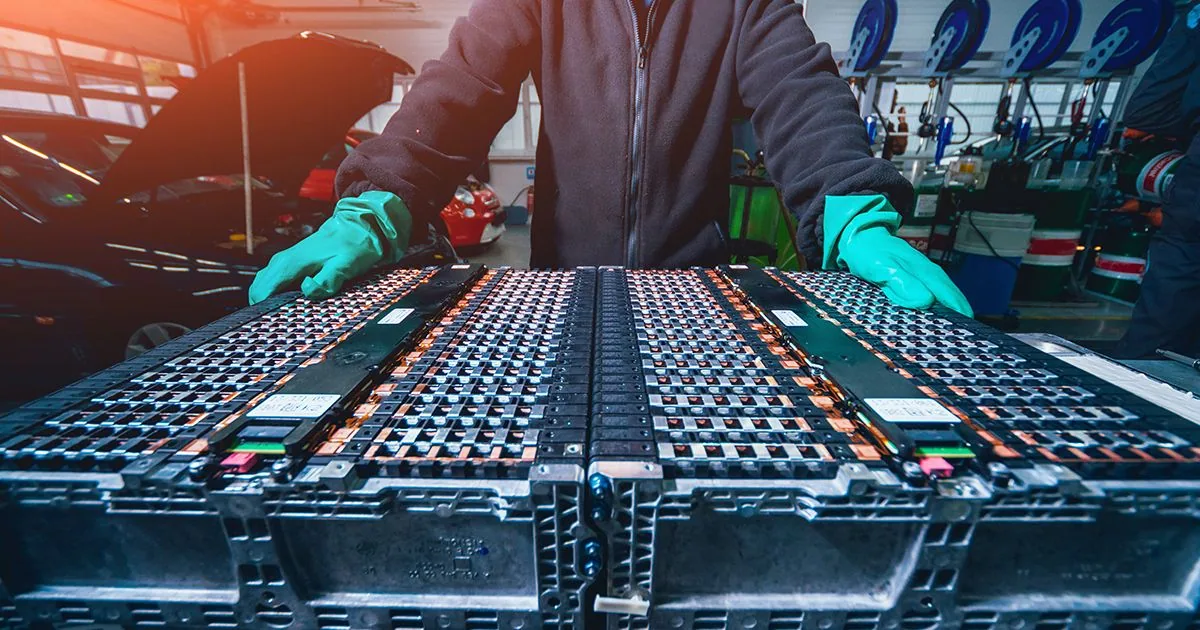
The Digital Product Passport (DPP) brings together information on a product's composition, durability and footprint behind a readable identifier such as a QR code. It is provided for by product family under the Ecodesign for Sustainable Products Regulation (ESPR), Regulation (EU) 2024/1781; the first mandatory passport, for batteries, falls under Regulation (EU) 2023/1542.

  1. Open20 July 2026European passport registry
  2. First passport18 February 2027Vehicle and bicycle batteriesIndustrial batteries of more than 2 kWh
  3. To anticipate2027 to 2029Acts for textiles, tyres and aluminiumThen furniture and mattresses
Our services

The data needed for your DPP

The Digital Product Passport (DPP) draws on product information, suppliers and company systems. We identify the information to gather and the responsibilities to organise, according to the legislation applicable to your product category.

  1. 1

    Analysis of information to prepare

    We examine products, the applicable framework and the data already held in your systems. The comparison identifies available information, information to complete and responsibilities to organise.

  2. 2

    Supplier data collection and traceability

    We structure requests for product composition and characteristics, with the associated evidence. Data is organised so that its origin can be traced and updates prepared.

  3. 3

    Environmental studies

    We carry out the carbon footprint or life cycle assessment (LCA) calculations included in the engagement, using the method suited to the products and intended use of the results. Assumptions and limitations are provided with the calculations.

  4. 4

    Preparing integration

    We define the data structure and transfer arrangements with your IT teams or DPP provider. The work also covers checks and updates to prepare.

Deliverables

A working basis for your product passport

Each project concludes with documents your teams can use and keep up to date. The previews below are fictional: they show the format of the documents.

Product data status

Available and missing information, its sources and the work required to complete it.

Identification
Product reference and manufacturer
Composition
Materials and components
Available sources
Technical data sheets and supplier data
Collection to complete
Missing information and contact

Environmental file

Study results, supplier data and evidence associated with the products studied.

Product studied
Function, service life and uses
Assessment
Study method and scope
Environmental data
Indicators and associated sources
Limitations
Assumptions and information to complete

Data structure and update plan

Fields, responsibilities and transfer arrangements defined for integration and monitoring.

Data field
Name, definition and format
Origin
Supplier or internal system
Update
Responsible person and trigger event
Transfer
Format agreed with the integrator
Our method

How a project unfolds

  1. Examine your products and uses

    We define the product families and the information your teams want to structure or make accessible.

  2. Map the available data

    We identify sources, responsible people and missing information in your systems and among your suppliers.

  3. Structure product information

    We prepare a data foundation and examine the environmental assessments needed to complete it.

  4. Organise implementation

    We define work, responsibilities and the points to coordinate with your teams and technical providers.

Your contacts

Sébastien Pierfederici and Guillaume Pakula

LCA and eco-design engineer. He oversees the firm's product regulation work, from the ESPR to the Batteries Regulation.

Reply within 24 working hours, initial 30-minute conversation.

Sébastien Pierfederici
Engineer, LCA and eco-designSébastien Pierfederici
Guillaume Pakula
Co-founder, PhD in physicsGuillaume Pakula
Frequently asked questions

Frequently asked questions

The questions we are most often asked before starting a project.

Yes. We can define with your provider the information to supply, its format and origin. Our work covers the data and environmental studies included in the engagement; hosting and development are coordinated with the selected solution.
It is possible to better structure existing product data and identify useful work. We distinguish defined requirements from points still open, so that preparation can be adapted without presenting an anticipated requirement as an established obligation.
We start by examining their method, scope, data and date. Reusable results are retained; gaps between them and the information expected are addressed through additional work defined in the engagement.
We prepare a proposal after an initial discussion. It sets out the scope, the data to gather, the deliverables and the stages of the engagement. The quotation reflects the work to undertake and how your teams are organised.
Forest canopy
Bespoke

Most of our projects are tailored to your needs.

For any environmental measurement needs or other questions, please get in touch. An expert will be happy to reply.

Speak for 30 minutes