
Product passports, LCA, labelling:
where to start
- 01/10/2026 Textile environmental cost
- 18/02/2027 Battery passport
- 18/08/2027 Battery due diligence
Battery passport on 18 February 2027, ESPR acts expected from 2026 to 2029: the 6 questions to address, in order, with dates and a budget.
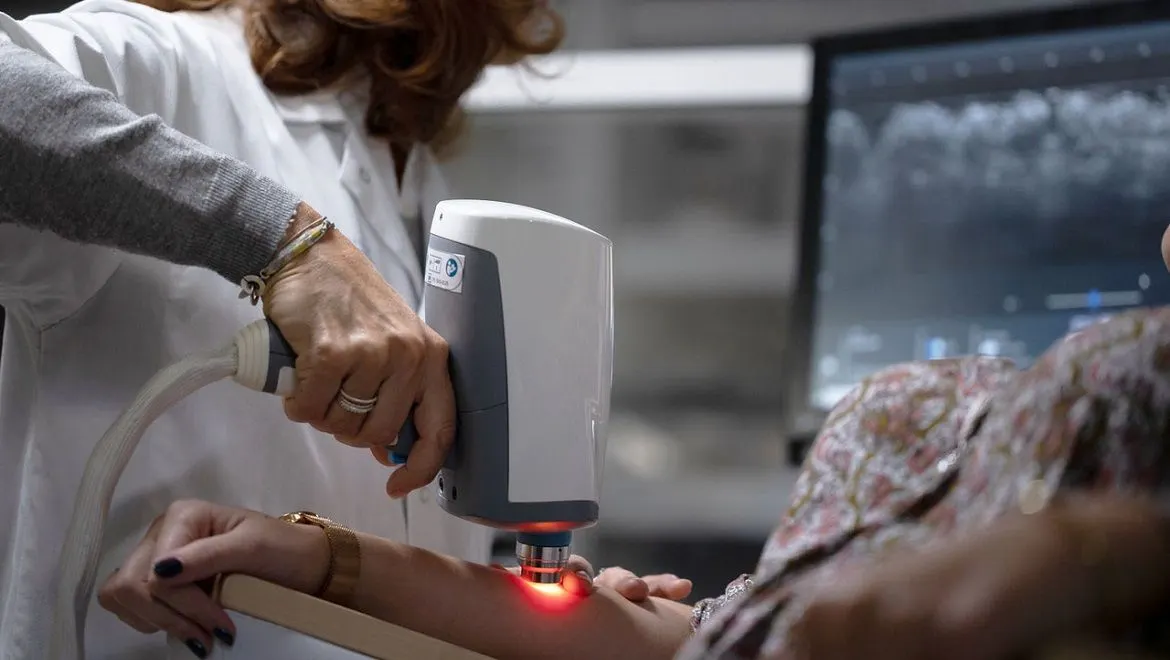 A real projectDamae Medical: LCA of a medical device before industrialisationMedical device, start-up with 40 employeesRead about the project
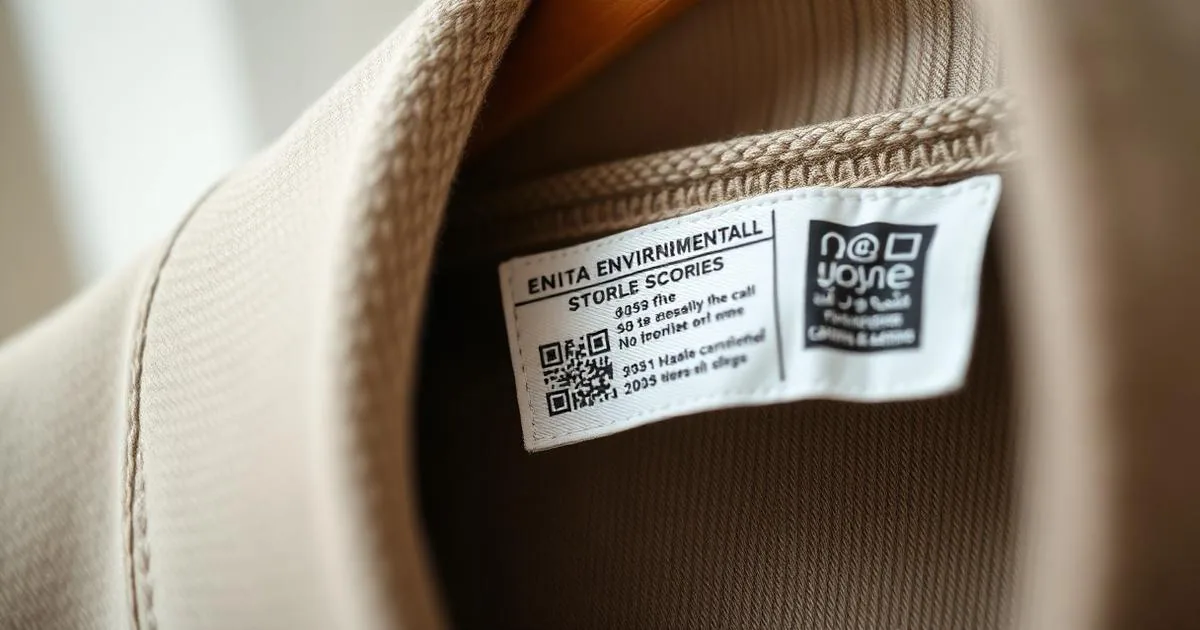 Special caseDo you sell clothing in France?Environmental cost labelling remains voluntary, but since 1 October 2026 a third party can calculate and publish it without your consent. If you publish your own calculation, the third party must use it within no more than 1 month.Assess your brand's position on labelling ↗
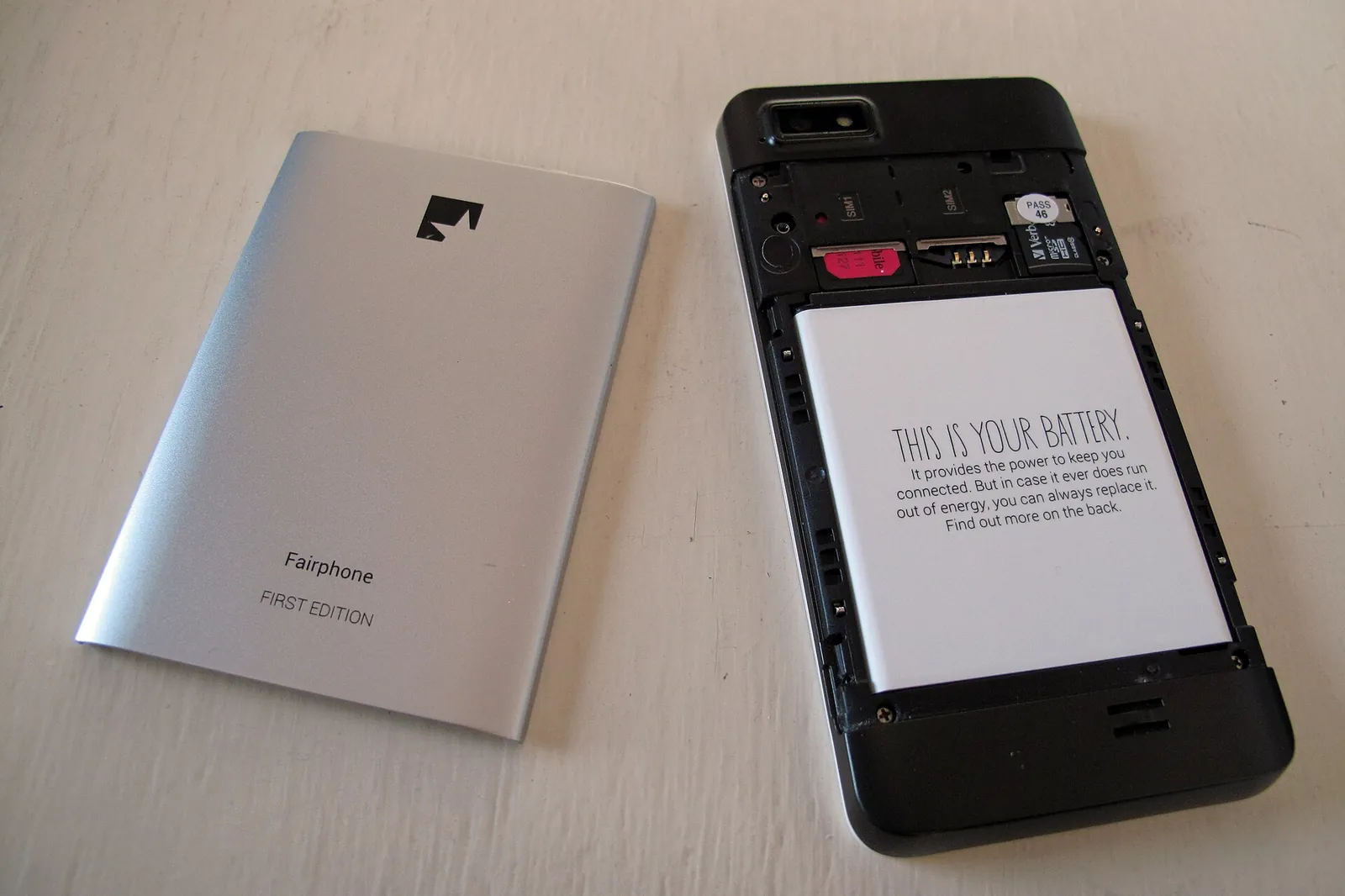 Special caseDo you manufacture, assemble or import batteries?The passport applies on 18 February 2027 to batteries for electric vehicles, electric bicycles and scooters, and industrial batteries above 2 kWh. If you assemble packs from purchased cells, you are responsible for it, rather than your supplier.The battery passport in 2027 ↗
They have commissioned Celsius








To address, in order.
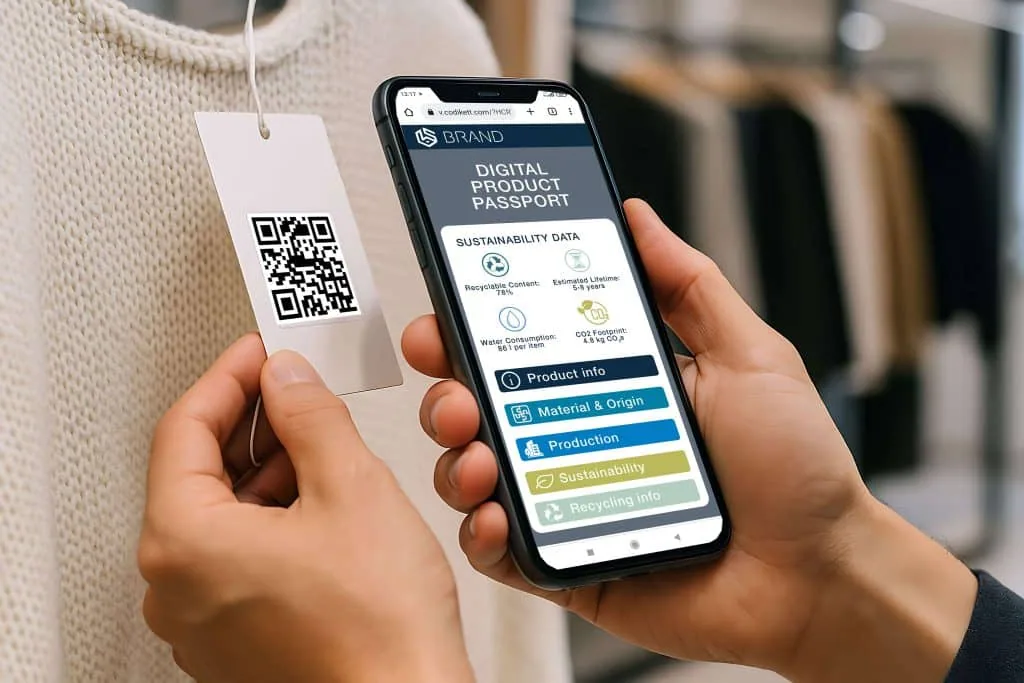
Which rules cover my product, and from when?
It depends entirely on the product family, regardless of company size. Apart from batteries, the ESPR works through delegated acts, expected in 2026 for iron and steel, in 2027 for textiles, tyres and aluminium, in 2028 for furniture and in 2029 for mattresses, applicable no earlier than 18 months afterwards.
Run each product family through the checker, with your role (manufacturer, importer, brand) and countries of sale.
Is it my responsibility, or my supplier's?
It is the responsibility of whoever places the product on the European market: the manufacturer, the importer if the manufacturer is established outside the Union, or the distributor selling under its own brand. There is no general SME exemption, and a supplier outside the scope will still receive its customers' questionnaires.
For each range, record the entity selling it under its brand in the EU or importing it: that entity bears the obligations.

What data should I gather, and where can I find it?
Composition, substances of concern, recycled content, durability, repairability, footprint and end of life, with the details set family by family. The most significant data, factory materials and energy, is often held by tier 2 or 3 suppliers: allow 3 to 6 months for a first product's data.
Send a short questionnaire to your 5 most critical suppliers: composition, material origin, site electricity.

LCA, PEF, Ecobalyse: which method should I choose?
The method required by the text covering your product: the Commission's method for a battery's carbon footprint, Ecobalyse for a garment sold in France, a verified FDES for a construction product. Elsewhere, the delegated act will set it, with the ESPR citing PEF without making it mandatory; documented primary data can be reused.
Document each piece of primary data (source, date, scope) so you can reuse it when your family's method is set.

Should I choose a passport platform now?
Not before you have the data, except for batteries: their passport is already defined and applies on 18 February 2027. A platform stores and publishes information calculated elsewhere, without collecting or calculating it, and can be deployed in a few weeks once your family's delegated act is published.
Keep your data in an open, documented format, and start consulting platforms after your family's act is published.

Where should I start?
With a pilot product: your bestseller, the reference most exposed to a regulation or one for which a customer already requests data. For a first LCA, a 4 to 8 week screening shows the major impact categories; if a requirement will cover this product within 18 months, start directly with the method it requires.
Gather the bill of materials, supplier list and manufacturing site energy consumption for that product.

The dates to remember.
- 202619/07Unsold textiles: destruction banned for large companies, for medium-sized ones in 2030In force
- 202601/10Clothing: a third party can publish the environmental cost without your consentIn force
- 2027 · in 4 months18/02Passport for vehicle, bicycle and industrial batteries above 2 kWhNext deadline
- 202718/08Batteries: due diligence on cobalt, lithium, nickel and graphite, from €40 million turnover
What it costs.
More for a complex product. Bpifrance's Diag Éco-conception can fund part of the cost.
- A screening to identify the major impact categoriesDuration: 4 to 8 weeks€5,000 to €12,000 excl. VAT
- A full LCA, to ISO 14040 and 14044Duration: 3 to 6 months€12,000 to €25,000 excl. VAT
- Per product across a range, using the same method€5,000 to €8,000 excl. VAT
Damae Medical:
LCA of a medical device before industrialisation.
Medical device, start-up with 40 employees
Before scaling up industrially, this start-up wanted to understand which material and process choices would affect its medical device's footprint. We carried out a full cradle-to-grave LCA of the device in OpenLCA, with a parametric model projecting the impact at 5,000 units and a report compliant with ISO 14040 and 14044.
- 38%of the impact in optics, the leading category
- 6ecodesign measures incorporated into the next version
- 5 monthsproject, with 2 consultants including 1 LCA engineer

A first LCA
on a pilot product.
We start with a pilot product: requirements covering it, available data, collection from your suppliers, then an LCA with documented assumptions, whose data can be reused for the rest of the range.