
 Uses13 November 2026
"Saying thank you to ChatGPT costs tens of millions of dollars"




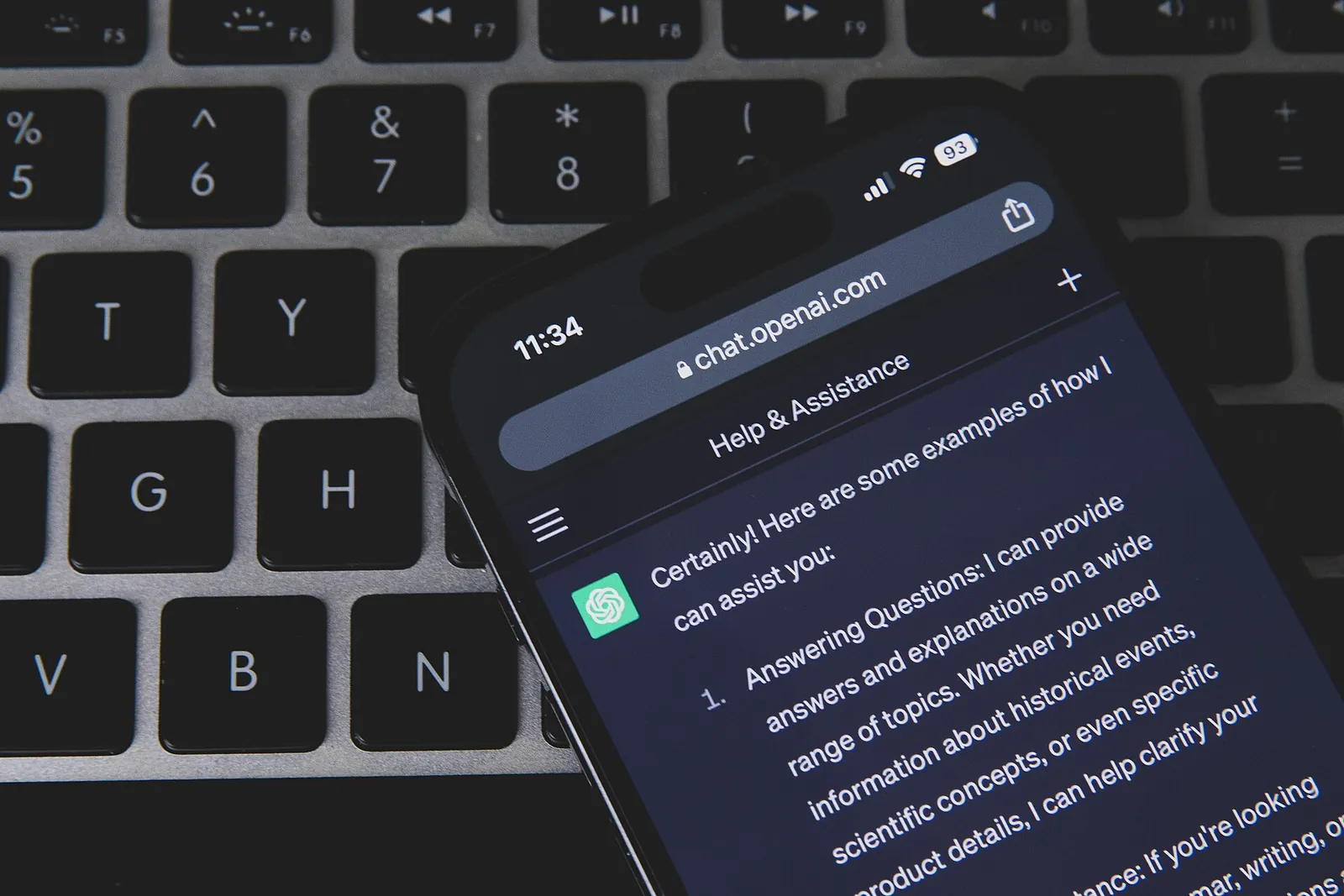
The figure comes from a reply by Sam Altman, the head of OpenAI, to an internet user in April 2025, with no calculation or method. A thank-you and the model's reply use 0.245 Wh measured in the laboratory on an open model, or 0.044 Wh according to the AI Impact Database estimate, about 7 times less than a quick question; by our calculation, almost all of it comes from the reply, very little from the word.
Contents
Origin of the figure
In mid-April 2025, an internet user asks on X how much money OpenAI has lost in electricity because of users who say "please" and "thank you" to its models. Sam Altman, the head of OpenAI, replies: "tens of millions of dollars well spent - you never know". The sentence is picked up by the French press from 18 April, then by TechCrunch on 20 April. The question was about "please" and "thank you": a "please" slipped into a question adds only a few tokens to read, whereas a thank-you sent on its own triggers an extra reply.
The reply comes with no calculation, neither the number of thank-yous received, nor the electricity of each, nor the price of a kilowatt-hour. TechCrunch notes that the tone of the reply suggests Altman did not make a precise calculation. The figure is therefore an order of magnitude thrown out in one sentence, which nothing makes it possible to verify.
It touched on a widespread habit. According to a survey by the publisher Future, which publishes TechRadar, picked up by GovTech in February 2025, 67% of Americans who use AI say they are polite to it; the survey does not say how many end their conversations with a thank-you.
Measurement published since
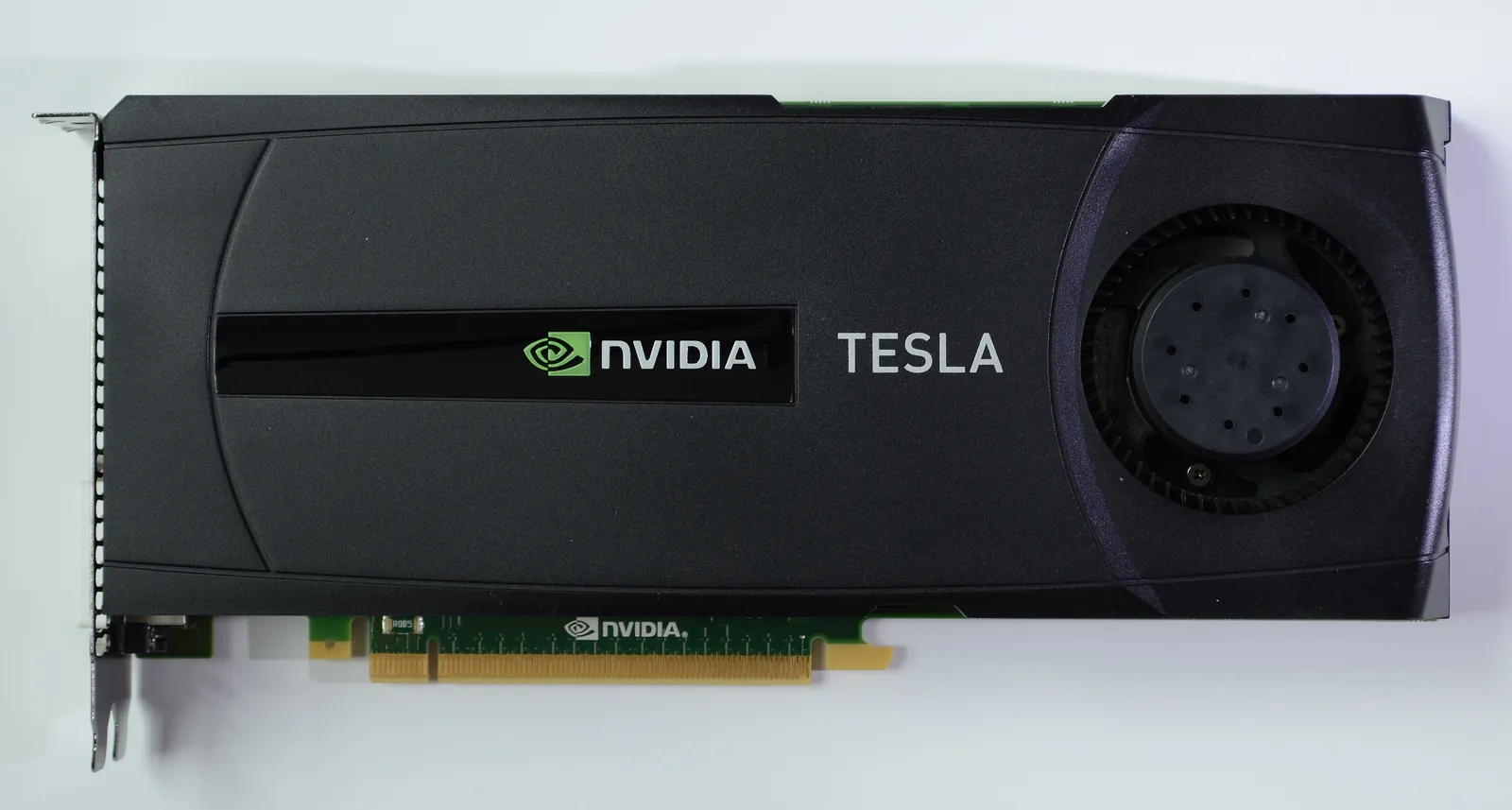
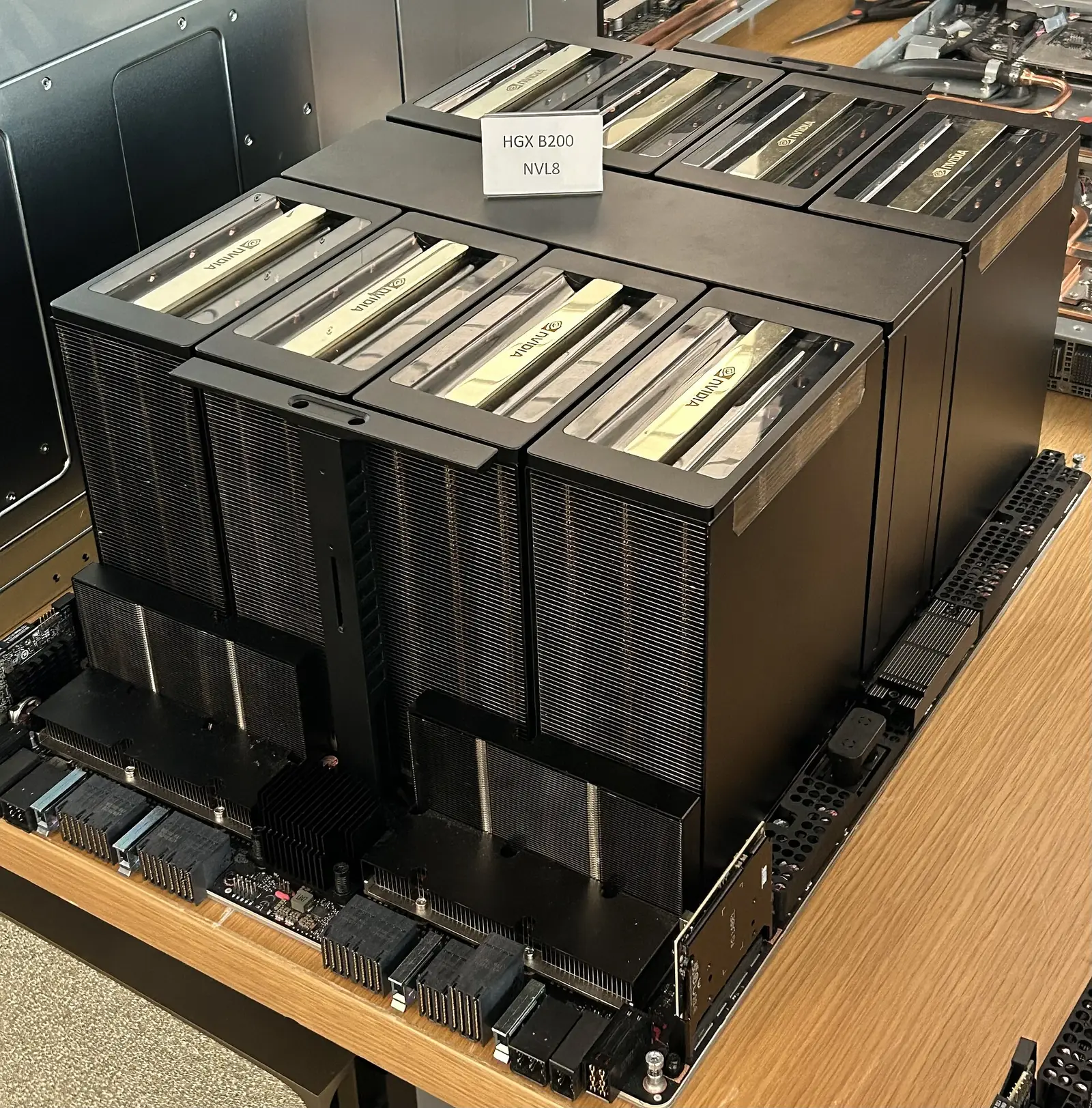
In June 2025, Julien Delavande of Hugging Face publishes a measurement of the electricity of a thank-you, taken up in January 2026 in a study co-signed with Régis Pierrard and Sasha Luccioni. They took 10,000 conversations from the UltraChat corpus, dialogues between a user and an assistant, ending in "thank you", and had an open model, Llama 3.1 with 8 billion parameters, reply on an H100 GPU, one request at a time.
A medium-sized assistant served by a large operator, a short conversation, a reply of about 30 tokens.
An open model of 8 billion parameters, the whole conversation reread, a reply of up to 256 tokens, one request at a time.
See the quick question in the database→They measure on average 0.245 Wh per thank-you and its reply: 0.202 Wh for the GPU, 0.024 Wh for the processor and 0.019 Wh for the memory. That is, they say, a 5 W LED bulb left on for nearly 3 minutes. The measurement counts neither the cooling nor the rest of the data centre; it is made under conditions less efficient than a production service, where the servers handle many requests at once.
The AI Impact Database, which starts from production measurements and published estimates for the major assistants, estimates a thank-you and its short reply at 0.044 Wh, against 0.3 Wh for a quick question and its half-page reply. Our analysis of the actions explains the gap between the 2 values: the length of the conversation reread and that of the reply.
The word, the conversation and the reply
The study breaks the energy down into 2 stages. The model first reads the whole conversation, thank-you included, then writes its reply, one token after another. The authors publish a formula for each: on the GPU, reading costs about 0.00006 Wh per token and writing about 0.002 Wh per token produced, which is 35 times more.
The word "thank you" adds 1 or 2 tokens to read: according to these formulas, about 0.0001 Wh, by our calculation. What costs is what the thank-you triggers: the rereading of the whole conversation, which grows with its length, and above all the model's reply. A reply of 50 tokens costs about 0.1 Wh on its own under the conditions of the study. The authors also note that large models write longer replies, and that model size is the factor that weighs most.
| What is counted | Electricity | Source |
|---|---|---|
| The word "thank you", read by the model | about 0.0001 Wh | our calculation, reading formula from the Hugging Face study |
| A reply of 50 tokens, written by the model | about 0.1 Wh | our calculation, writing formula from the same study |
| A thank-you and its reply, on average over 10,000 conversations | 0.245 Wh | Hugging Face measurement, laboratory |
| A thank-you and its short reply, assistant in production | 0.044 Wh | AI Impact Database estimate |
The Database counts the servers and the cooling of the data centre; the Hugging Face measurement, the machine alone; our 2 calculations, the GPU alone. Neither the internet network nor the user's device is counted.
Order of magnitude at the scale of ChatGPT
In July 2025, ChatGPT claimed 2.6 billion requests per day, a figure that ADEME repeats in its opinion of July 2026. OpenAI does not publish the share of thank-yous. To bound the question, we assumed that each of these messages was followed by a thank-you, which greatly overstates the result.
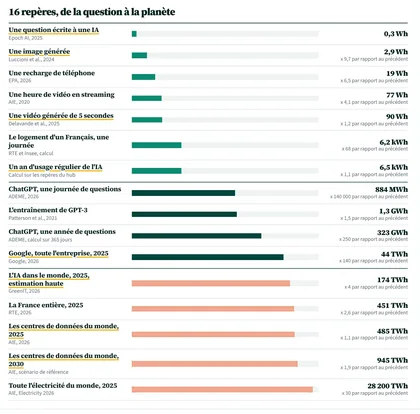
With the Database value, 0.044 Wh, these thank-yous would use about 115 MWh per day, against about 780 MWh for the 2.6 billion questions at 0.3 Wh: of the order of 15% of the electricity of the questions themselves. With the 0.34 Wh per request announced by Sam Altman, ADEME counts 884 MWh per day for these requests, the equivalent of the electricity consumption of 145,000 people in France. With the same ratio, 115 MWh per day corresponds to the electricity consumption of about 19,000 people in France. These calculations are our own, on a deliberately high assumption.
With the Database value, even under this high assumption, thank-yous would make up a minority share of the electricity of the questions asked to ChatGPT. The laboratory measurement, made under conditions less efficient than in production, does not lend itself to this calculation. Converted into dollars, the result would depend on the price of electricity paid by OpenAI, which is not public: we do not convert it.
Limits of the figure
No assistant provider publishes the electricity of a thank-you or the share of thank-yous in its messages. The Hugging Face measurement covers a single open model, at full precision and without batching of requests; the Database value is an estimate for an average assistant. The measurement counts only the machine, the Database adds the cooling of the data centre; none of the 2 counts the manufacture of the hardware.
For one person, our analysis of everyday actions quantifies the effect over a year: one fewer thank-you per day removes 2 to 11% of a year of ordinary personal use. For a conversation, the Hugging Face study ranks model size first, then the length of the reply.
The 0.245 Wh value is a laboratory measurement on an open model of 8 billion parameters, one request at a time; the 0.044 Wh value is an estimate from the AI Impact Database. The calculation at ChatGPT scale assumes a thank-you after every request, a high assumption made by Projet Celsius.
Sources
6 documents
- TechCrunch, Your politeness could be costly for OpenAI2025entry 260
- GovTech, How many people are polite to AI in case of a robot uprising?2025entry 262
- Delavande, Pierrard and Luccioni, Small Talk, Big Impact: The Energy Cost of Thanking AI2026entry 237
- ADEME, opinion on generative artificial intelligence2026entry 30
- Julien Delavande (Hugging Face), Saying Thank You to a LLM Isn't Free: Measuring the Energy Cost of Politeness2025entry 263
- Clubic, Vous préférez être malpoli avec ChatGPT ou ruiner la planète ? Sam Altman a tranché pour vous2025entry 261
Every figure was read in its source; the hub's methodology is described in Methodology and sources.
AI Impact, Projet Celsius, "Saying thank you to ChatGPT costs tens of millions of dollars", 13 November 2026. https://projetcelsius.com/en/ai/analyses/cost-of-saying-thank-you-to-chatgpt/

 Electricity