

0.26mL
Water for one question to Gemini
Median · written question · Google measurement, August 2025
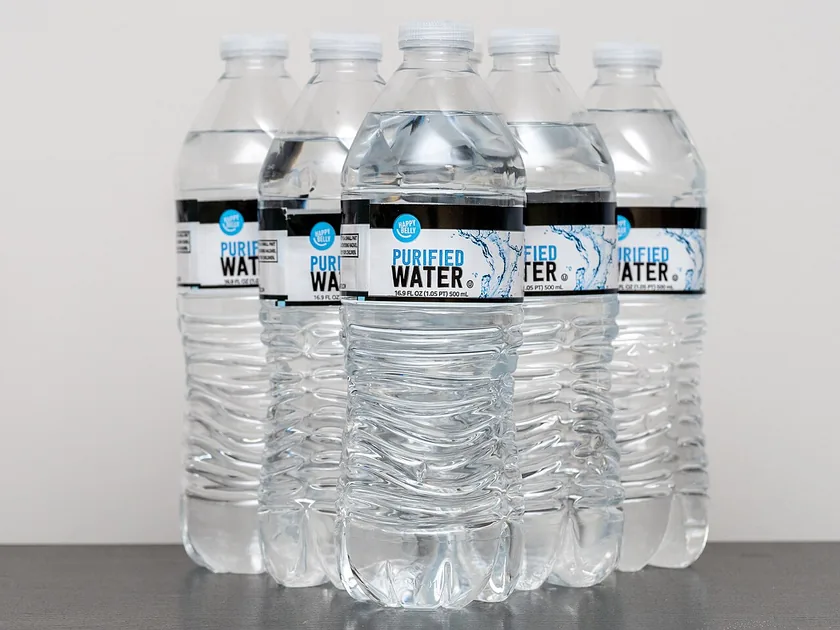
A median text query to Gemini consumes 0.26 mL of water, about 5 drops, for data centre cooling, according to the measurement published by Google in August 2025.
!On-site cooling water only: the water of electricity and manufacturing is not counted.
Definition and scope
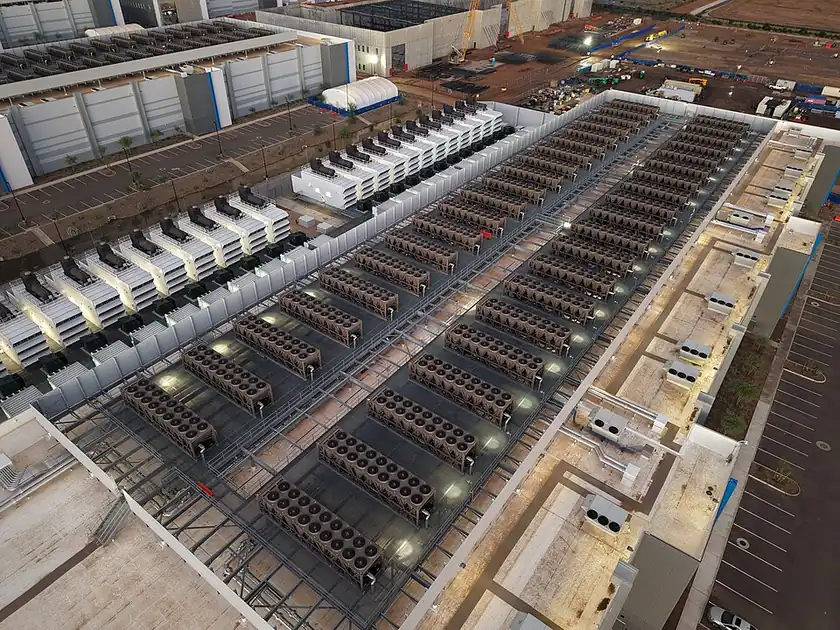
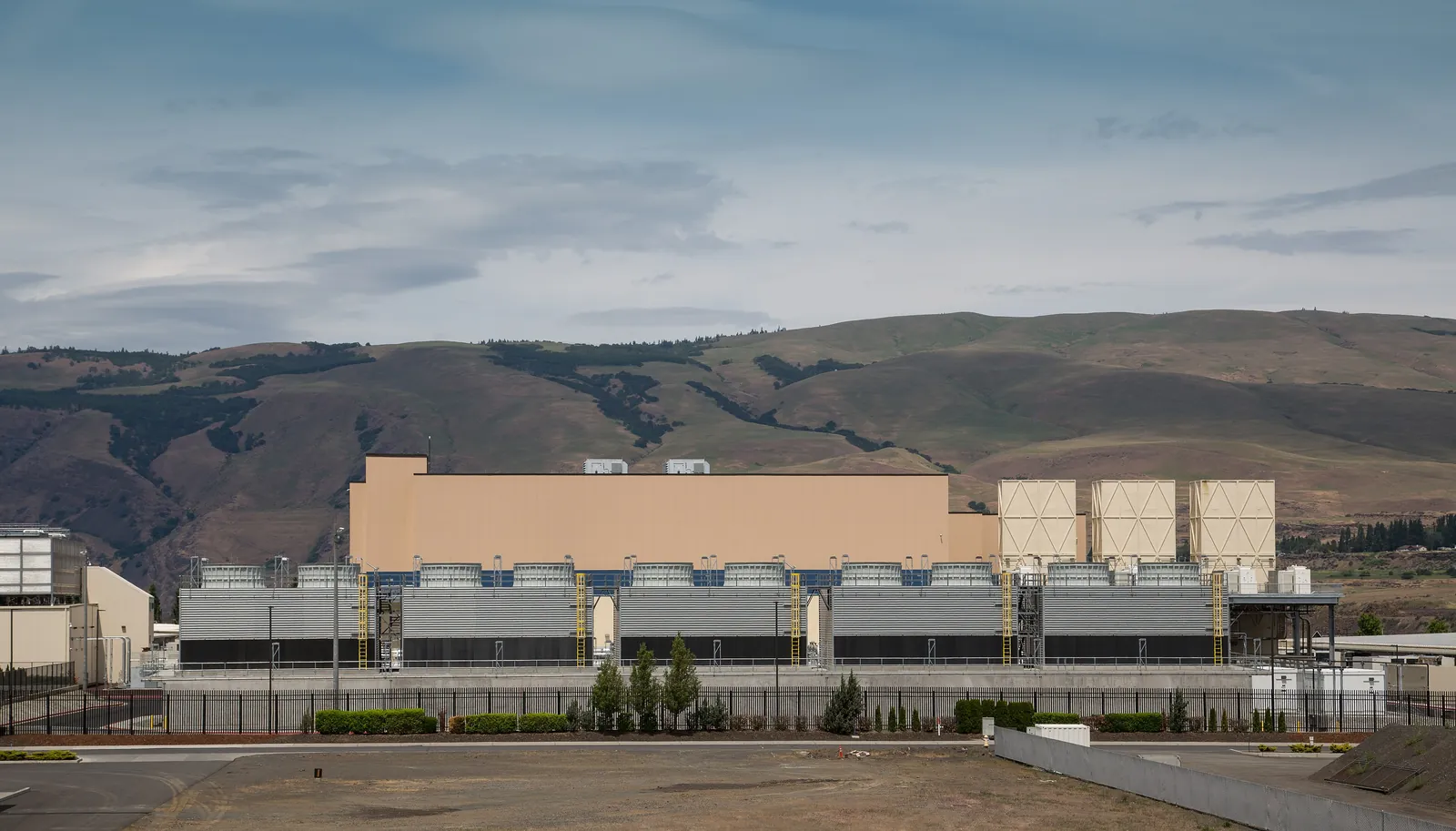
Water consumed, that is evaporated, by the cooling of Google's data centres for a median text question to Gemini. About 5 drops.
✓What is included
- ✓Water evaporated by the cooling towers of Google's centres
✕What is excluded
- ✕The water used to produce electricity
- ✕The water used to manufacture chips and servers
- ✕Water withdrawn then returned to the environment
How the value is obtained
Google relates the water consumed by its sites to the energy of the question, using the average water efficiency of its fleet.
Limits and uncertainties
- The narrowest scope of the published figures: 170 times less than Mistral AI's life cycle assessment.
- Fleet average: a site in a dry area can consume far more.
The order of magnitude
All figures0.26 mL on a water scale, with another reference figure and 3 values from the linked chart, brought to the same unit. Each tick multiplies by 10.
The other published estimates
The chart and its sourcesThe chart "The water of a question, from 0.26 to 50 mL depending on scope" compares 4 estimates of the same quantity. This entry uses 0.26 mL (status: measurement published by the provider). The differences stem first from what each one counts.
- Google, GeminiCooling water evaporated on site0.26 mLSelected value
- OpenAI, ChatGPTUnknown: no published method0.32 mL1.2 times more
- UC Riverside, GPT-3Cooling and water used to produce electricity10 to 50 mL38 to 190 times more
- Mistral AI, Le ChatLife cycle: data centre, electricity, server manufacturing45 mL170 times more
In context
See the chart and its dataThe water of a question, from 0.26 to 50 mL depending on scope
Water attributed to a written question to an AI, in millilitres (logarithmic scale)
2023 to 2025
A factor of about 190 separates the lowest, 0.26 mL (Google), from the highest, 50 mL (UC Riverside): it stems from scope and task, not from a calculation error.
 AI Impactby Projet Celsius