

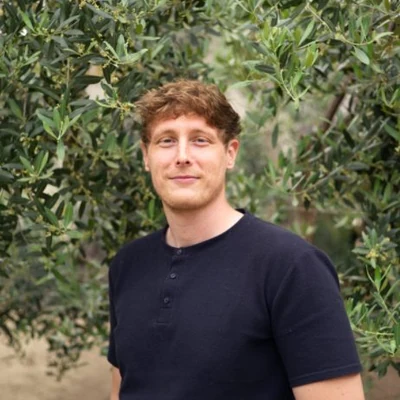
Guillaume Pakula
Editorial director of AI Impact, co-founder and president of Projet Celsius
Guillaume Pakula created AI Impact in October 2026 and leads its editorial team. A physicist (PhD) and engineer, he measures the environmental footprint of organisations and products, trains in Bilan Carbone® and life cycle assessment, and teaches climate change issues at an engineering school.
- PhD in physicsÉcole polytechnique, 2019
- Engineering degreeESPCI Paris - PSL
- Climate change issuesESPCI Paris, Institut d'Optique, Institut Polytechnique de Paris
- Bilan Carbone® and life cycle assessmentLead trainer, Institut de Formation Carbone
- Bulletin of the World Health Organization, 2026With the Institut Pasteur
- Cell Reports, 2018Ferreira, Pakula et al.
- Diag Décarbon'ActionBpifrance
- ACT Pas à Pas practitionerADEME and ABC
Why AI
I have been raising climate awareness for several years, and my job is to give orders of magnitude. AI is a disruptive technology that is transforming society: the debate it opens has more depth than a yes or a no, and it deserves our time.
I advocate a reasoned use of AI. With AI Impact, we want to be a bridge between the technical world and the general public: making the real data available, analysing it and making it readable, keeping the level and removing the jargon.
The hub sells nothing. In time, I would like it to be cited as a reference, as The Shift Project is cited.
Guillaume Pakula
In AI Impact
Guillaume Pakula launched AI Impact in October 2026, then the AI Impact Database and the AI Ranking. He leads the editorial team and signs his analyses.
On the Projet Celsius blog, he has been writing on the impact of AI since February 2026: more than 25 articles on the consumption of a query, water, data centres and uses in business.
His writing
All analyses →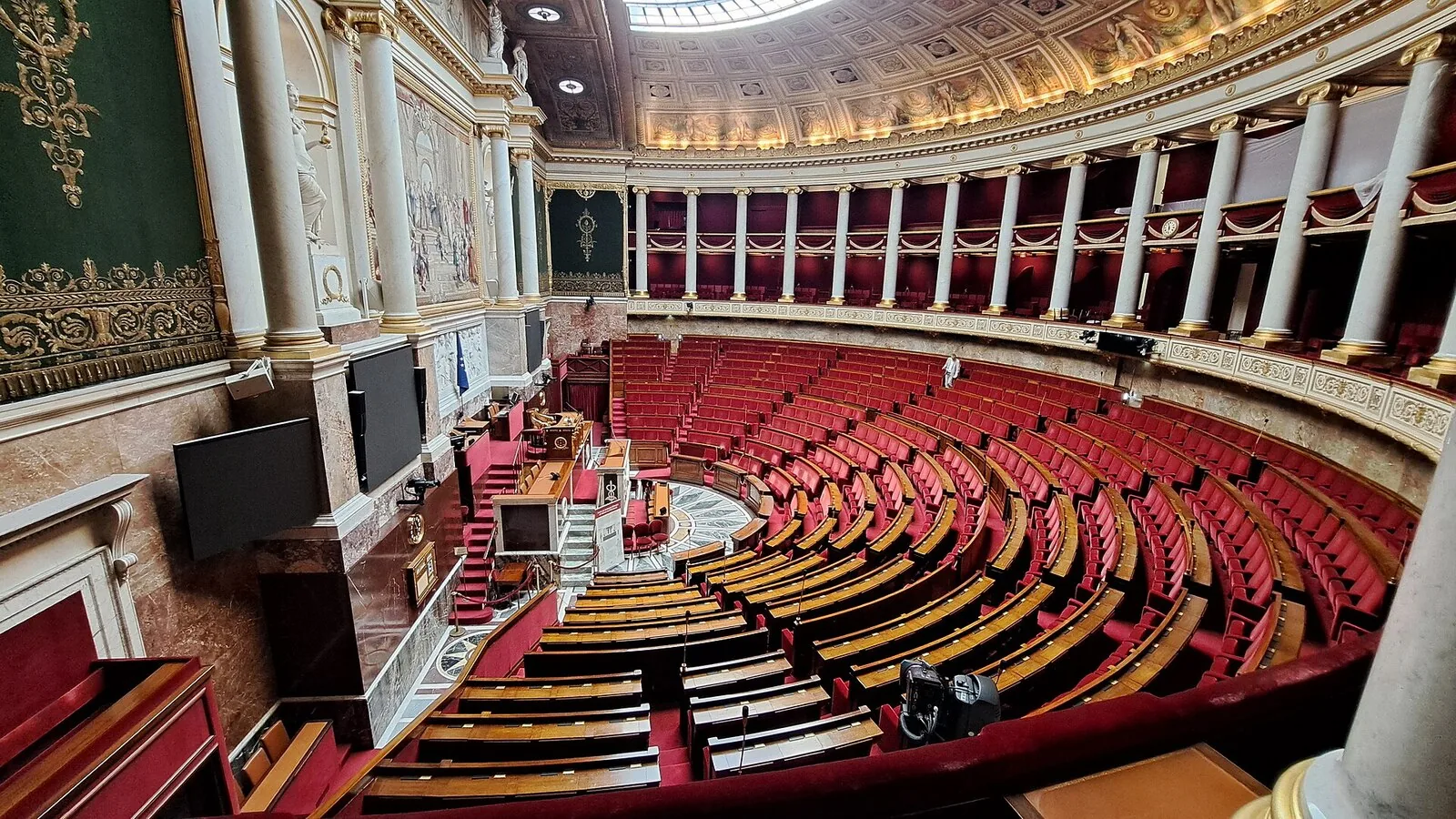 Analysis · 12 November 2026Does AI really make us more productive at work?AI saves time for the people who use it, yet that time is almost impossible to find in the accounts of companies and countries. Speaking to French MPs, the head of Mistral AI unintentionally offered one way of explaining the gap.Read →
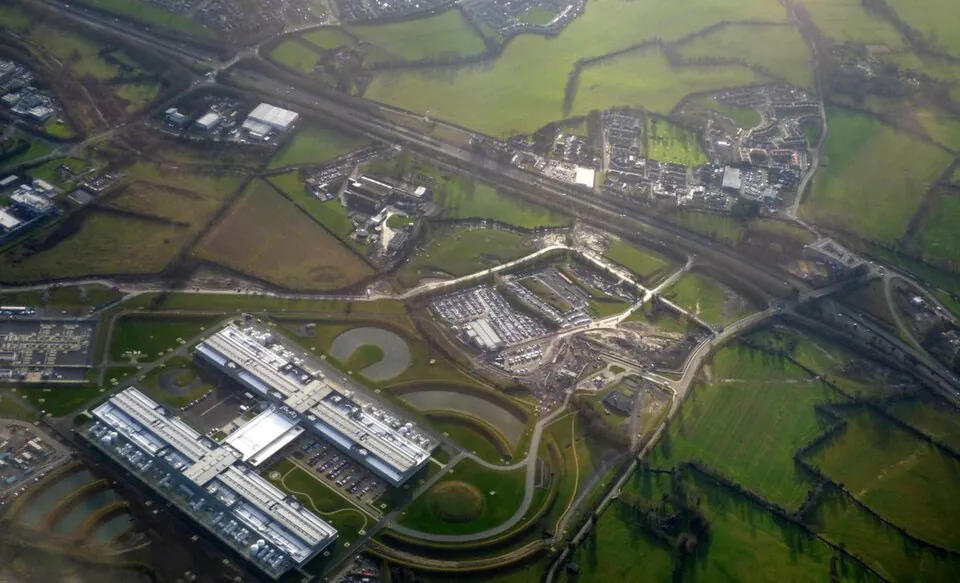 Viewpoint · 19 October 2026Surface AI and deep AIPublic debate looks at the AI people can see, the AI of chat windows. Its footprint is decided almost entirely below the surface, in an AI with no interface that can only be detected through the electricity grid.Read →
Scientific publication
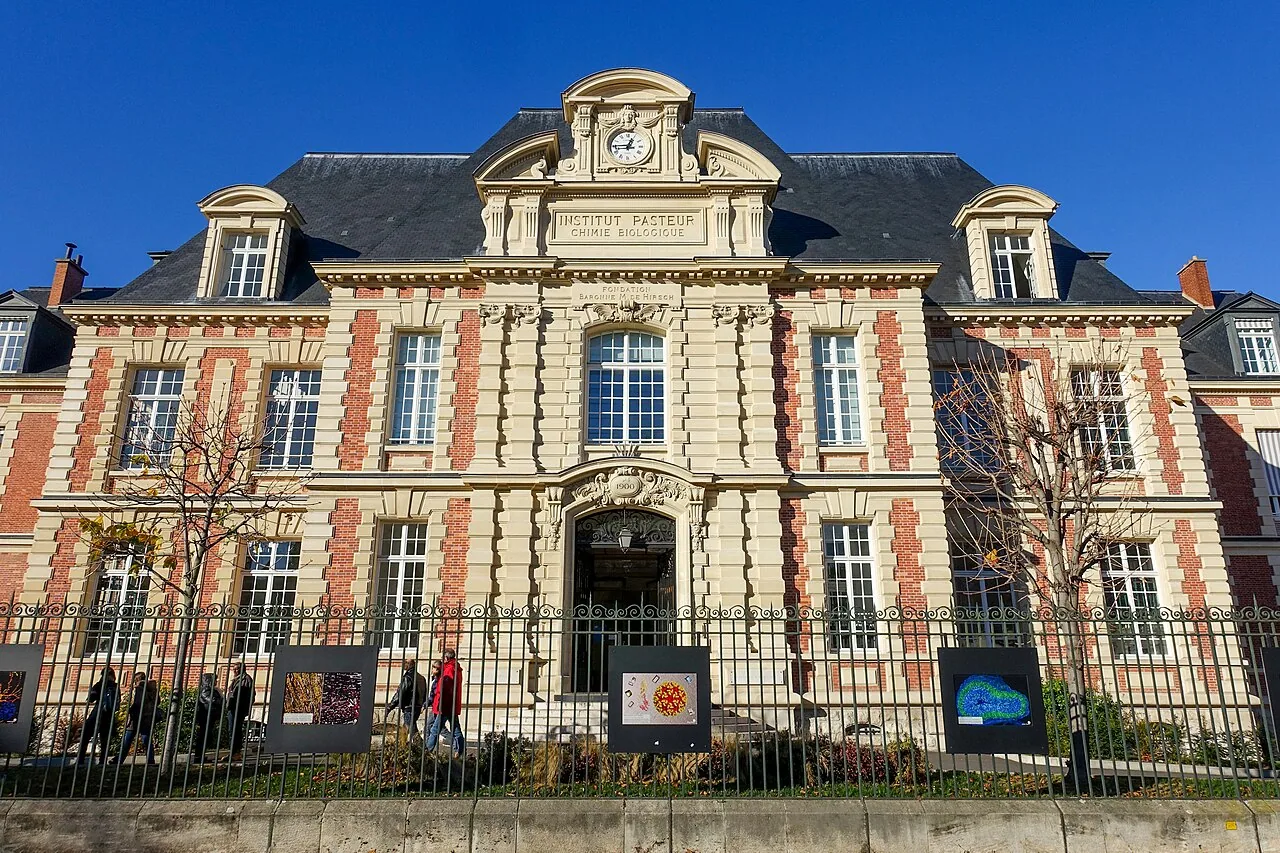
The carbon emissions of prenatal hepatitis B screening in the Gambia.
The account of the mission on the blog ↗On the Projet Celsius blog
All his articles ↗
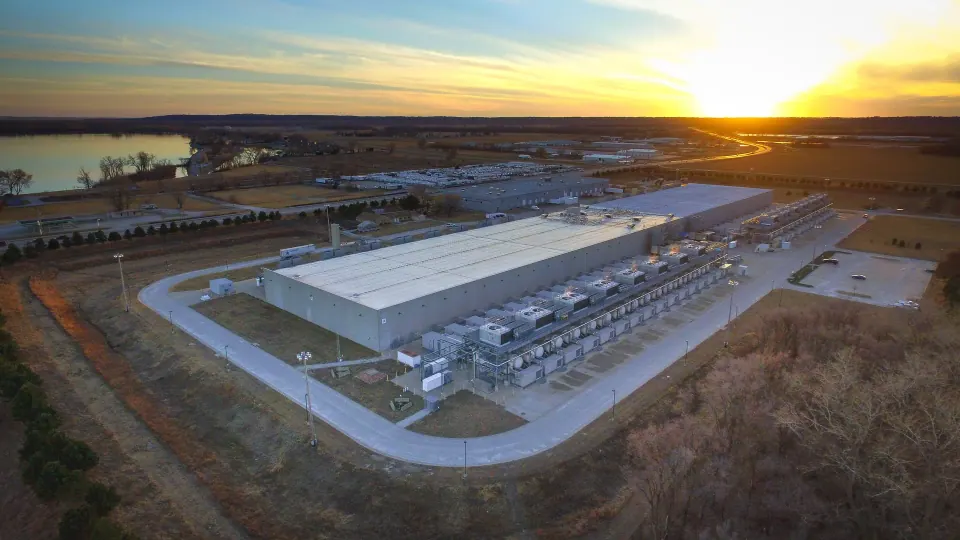
The AI Impact team
About →Across the hub
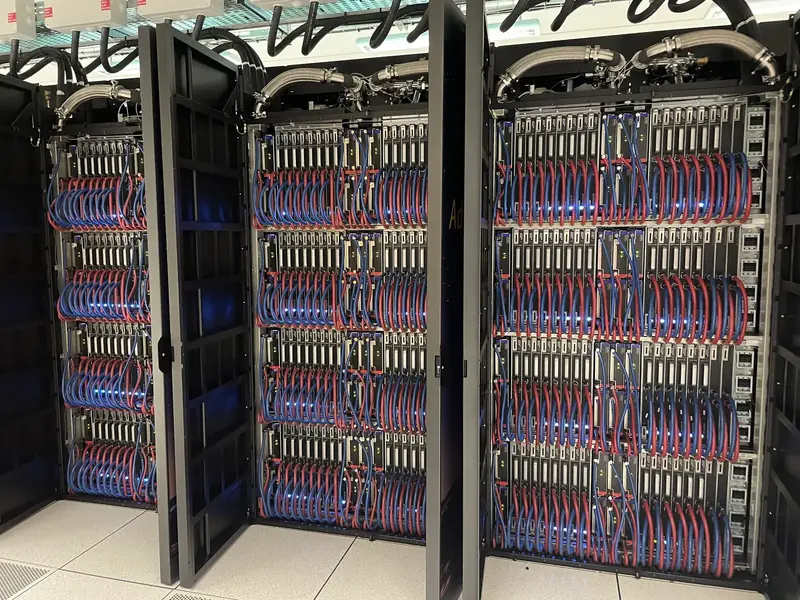 AI Impact DatabaseAll the figures, their methodology and their sources.
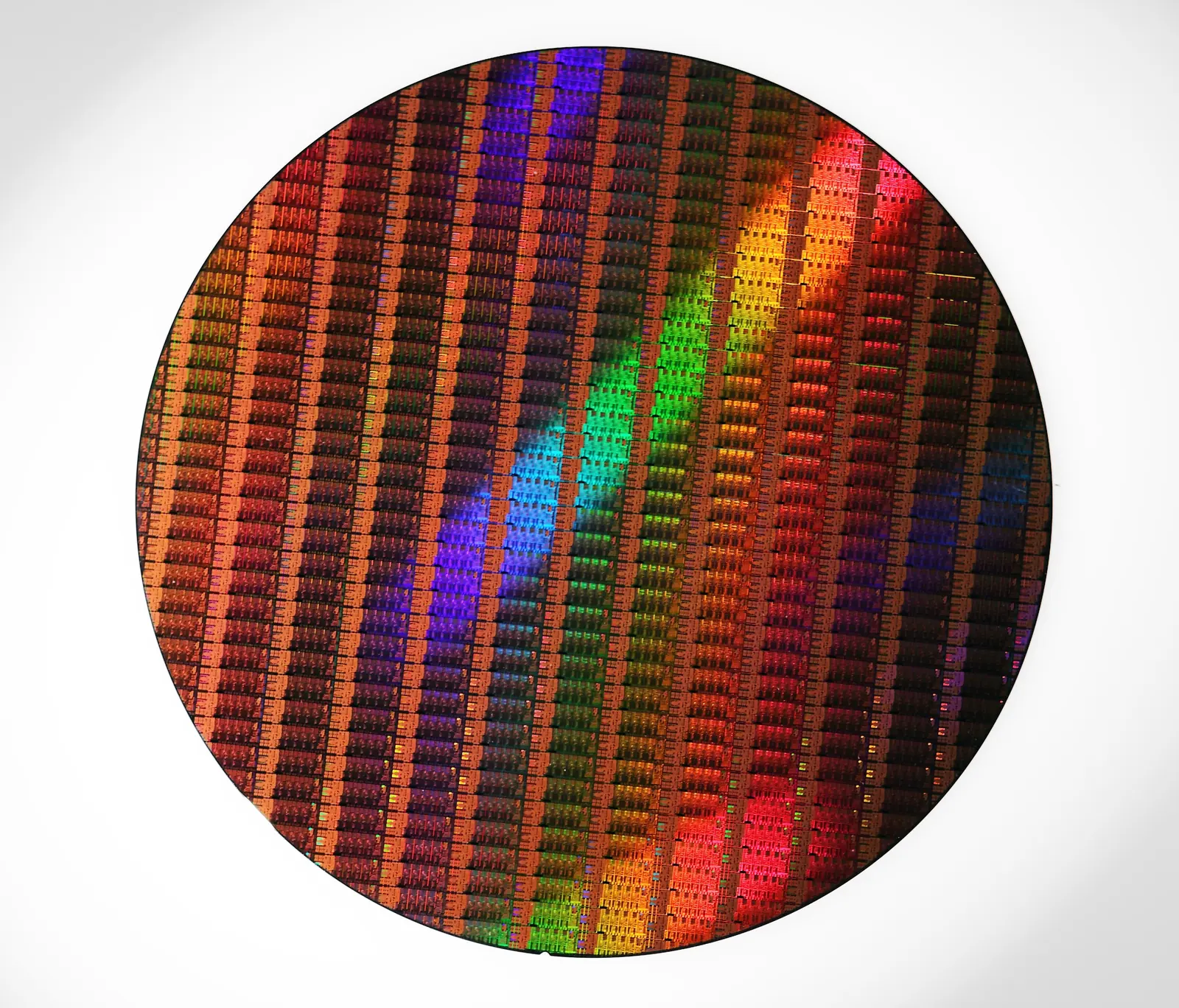 AI Ranking10 assistants rated out of 100: performance, ethics and environment.


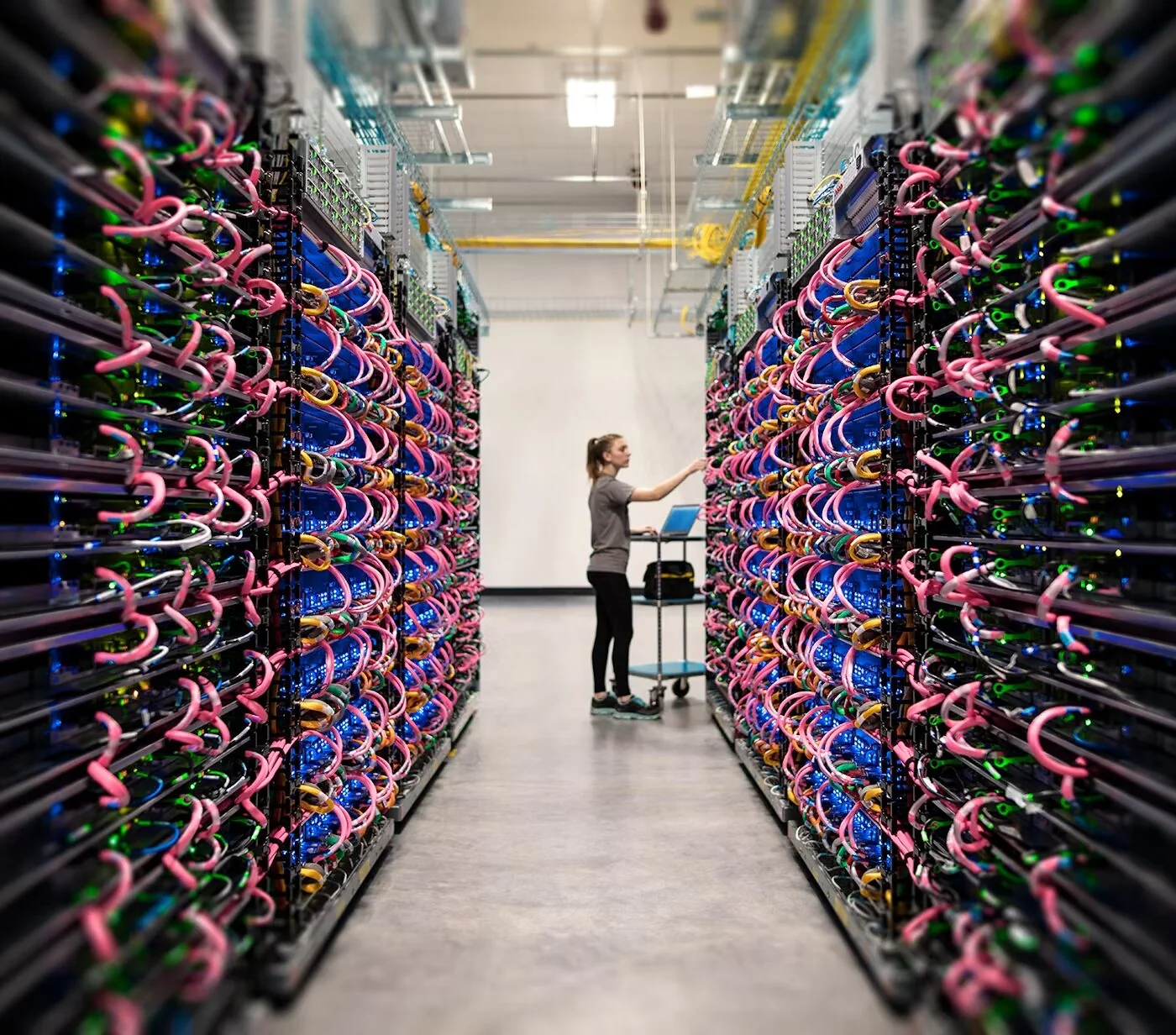 AnalysesThe signed pieces: analyses, viewpoints, "Where does this figure come from?".
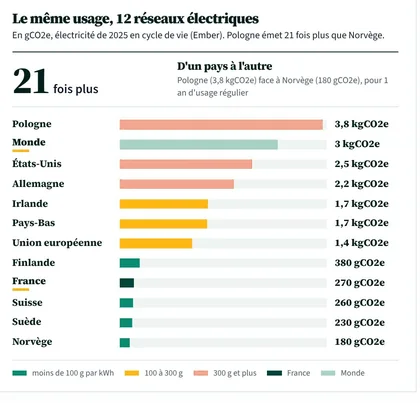
 Charts and mapsThe reference visuals, with their data and sources.
 ToolsOpen calculations, your assumptions on the left, the result on the right.
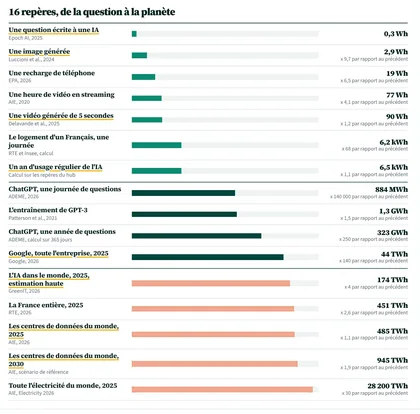
A question about a figure?
An error, a source to add, a methodology question, a press request: write to us. Guillaume Pakula, Clément Reynaud, Sébastien Pierfederici and Alexandre Veilly will reply.
Projet Celsius, which runs this hub, also helps companies measure and reduce the footprint of their AI use.
Accounting for AI in your Bilan Carbone® ↗