French EPR authorised representative: who must appoint one, and since when
Paying your EPR fees is no longer enough to sell in France from abroad. Since 10 July 2026, an authorised representative established in France has been mandatory, and the PPWR extends the rule from 12 August.
By Sébastien Pierfederici, LCA and eco-design specialist at Projet Celsius, PEF expert and IFC trainer. He helps manufacturers assess product environmental footprints.
August 2026 Updated October 2026 · 8 min
A seller pays its French extended producer responsibility (EPR) fees, believes it is compliant, and receives a message from its producer responsibility organisation: appoint an authorised representative, or you can no longer sell in France. Getting compliant is simple once you understand what the French authorities expect from a seller established outside France.
Key takeaways
1Paying your EPR fees is not enough: the French authorities want a responsible party they can reach in France.
2Since 10 July 2026, any producer not established in France must appoint an authorised representative there.
3One authorised representative per country of sale: the PPWR has extended the rule since 12 August 2026.
4Your packaging supplier cannot act as your authorised representative: these are two separate roles.
Sellers who are up to date with their packaging EPR fees are receiving the same message from their producer responsibility organisation (PRO, éco-organisme in French): "appoint an authorised representative, or you can no longer sell in France". Some suspended their shipments overnight without understanding what they were being blamed for.
If that is your situation, you have done nothing wrong. Compliance rests on a rarely explained distinction between paying for EPR and being legally answerable for it.
1Paying is not enough: France wants to know who carries the obligation
Paying the EPR fee (éco-contribution) is not enough: the French authorities also want to know who, on French soil, legally carries the obligation.
For a company established in France, the answer is obvious: the company itself. For a foreign seller, or for one that ships to France at a distance without being established there, the State wants a responsible contact who can be reached locally. That is what the authorised representative is for.
«
Paying in Germany meets your German obligations. Since 10 July 2026, France also requires a responsible party established on its territory.
»
The authorised representative (mandataire) is a party established in France, appointed by written mandate, that carries your obligations in your place. The French text specifies that it is subrogated to those obligations. It handles membership of the PRO, obtaining the EPR unique identifier (identifiant unique, or IDU) issued by ADEME (the French Agency for Ecological Transition), annual declarations, payment of fees and dealings with online platforms. Beware of the namesake: the Packaging and Packaging Waste Regulation (PPWR) has 2 authorised representatives. The one in Article 17, optional and established anywhere in the Union, represents the manufacturer for packaging conformity and keeps its EU declaration of conformity at the disposal of the authorities. The one in Article 45, the subject of this article, carries extended producer responsibility in a country where the producer is not established.
2Who is affected, and who is not
The test is your place of establishment, set against the country where you sell.
Place of establishment and place of sale
Who must appoint an authorised representative, and where
The test is the country where you are established, set against the one where you sell, whatever your nationality and your turnover.
EstablishedIn FranceSellsIn France
Not affectedDirect membership of your producer responsibility organisation.
EstablishedIn FranceSellsTo other EU countries
Affected in those countriesOne authorised representative per country where you are not established (Article 45).
EstablishedIn another EU countrySellsIn France
Affected in FranceFrench obligation since 10 July 2026, even if EPR fees are paid.
EstablishedOutside the European UnionSellsIn France
Affected in FranceThe long-standing case, unchanged and confirmed by the July 2026 text.
A French company that also sells in Belgium and Italy does not need an authorised representative in France, but needs one in each of those two countries.
French Environmental Code, Article L. 541-10-9-1; Regulation (EU) 2025/40, Articles 44 and 45.
Established outside the European Union (United Kingdom, Switzerland, China, United States) and selling in France: affected.
Established in another EU country and selling to France at a distance without being established there: also affected, and this is the case that surprises most.
Established in France: not affected, you join your PRO directly.
French micro-business buying its packaging in the EU: a special case, where part of the conformity obligations passes back to the supplier, covered in our article for small makers.
One real case sums up the mechanism. A designer-maker established in Spain sells in France, Germany and Italy. She pays her French EPR fees by the book. She nonetheless receives a letter asking for an authorised representative and suspends her sales, convinced she has done something wrong. Her file was not attached to anyone on French territory, and appointing an authorised representative was enough to reactivate her account. Check your own case in 3 questions.
On the product side, the household packaging scheme has applied for a long time. The professional (B2B) packaging scheme is only just starting: its launch has been postponed to 1 January 2027. If you sell only to businesses, you have a few months ahead of you.
Need support?
Check your situation in 3 questions
Established in France or elsewhere, direct sales or marketplace, one country or several: our tool gives an immediate verdict and the steps to take, country by country.
Since 1 January 2022, Article L. 541-10-9 of the French Environmental Code, introduced by the AGEC law (France's Anti-Waste and Circular Economy Act), has made the online marketplace liable for EPR on the sales it facilitates. With one way out: it is exempt if it proves that the seller is compliant, and holding a unique identifier counts as that proof.
Hence the mechanism sellers experience: no IDU, no proof, so the platform carries the risk and suspends listings to protect itself. The block therefore comes from the sales channel, before any inspection by the State.
The block rarely happens at the time of an inspection: it happens at the time of shipping, when the marketplace suspends an account for lack of a valid unique identifier.
The tightening dates from this summer. Article L. 541-10-9-1, created by Law No. 2026-602 of 8 July 2026 and in force since 10 July 2026, requires any person not established in France and subject to EPR to appoint an authorised representative there. The measure covers all EPR schemes, not just packaging. The text provides one exception: the obligation is deemed to be met where a platform established in France already ensures the compliance of your products.
The European layer comes next. Regulation (EU) 2025/40, the PPWR, has applied since 12 August 2026: Article 44 requires registration in the national register of producers (existing registers, such as SYDEREP in France, apply until the PPWR ones are in place), and Article 45 requires an authorised representative in each country where you are not established. The rule is territorial: 6 countries of sale, 6 appointments, with no European one-stop shop; the regulation's full timeline does not provide for one.
3 dates, 2 levels of regulation
Where the authorised representative obligation comes from
A French rule that predates the European regulation, a national tightening in July, then European harmonisation in August.
1 January 2022
The marketplace becomes liable
The online marketplace carries EPR for the sales it facilitates, unless the seller proves its compliance. The unique identifier counts as that proof.
French Environmental Code, Article L. 541-10-9 (AGEC law)
10 July 2026
France requires an authorised representative
Any person not established in France and subject to EPR must appoint an authorised representative there, across all schemes. Paying EPR fees is not enough.
Article L. 541-10-9-1, Law No. 2026-602 of 8 July 2026
12 August 2026
The PPWR extends the rule
Registration in the national register of producers and an authorised representative in each country of placing on the market where the producer is not established. One authorised representative per country.
Regulation (EU) 2025/40, Articles 44 and 45
Légifrance and EUR-Lex, texts in force as of August 2026.
One caveat to know: a Commission proposal (the environmental omnibus) would suspend until 2035 the European authorised representative obligation for producers established in the Union. It has not been adopted, and it is unlikely to be in its current form: on 24 June 2026, the Council broke off negotiations on this part, citing the strong reservations of a large majority of Member States and referring the matter to the review of EPR schemes planned under the future circular economy regulation, expected in autumn 2026. It concerns European law, and its possible effect on the French requirement has not been established.
A word on a persistent misconception: paying in Germany, through the dual system and LUCID registration, meets your German obligations and nothing else. Each country has its own scheme, its own register and its own PROs. The system remains national in its execution, even when the rule becomes European.
4Getting compliant in 5 steps
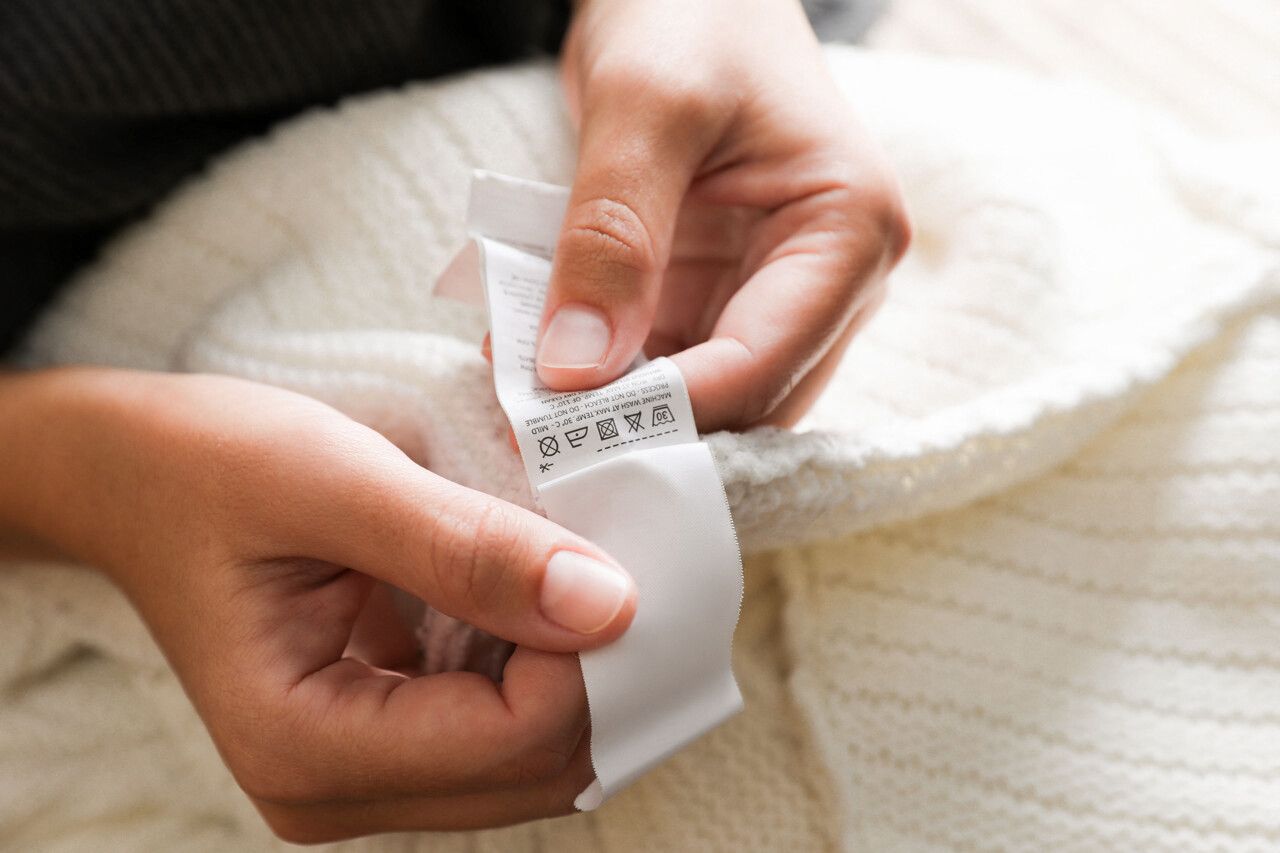
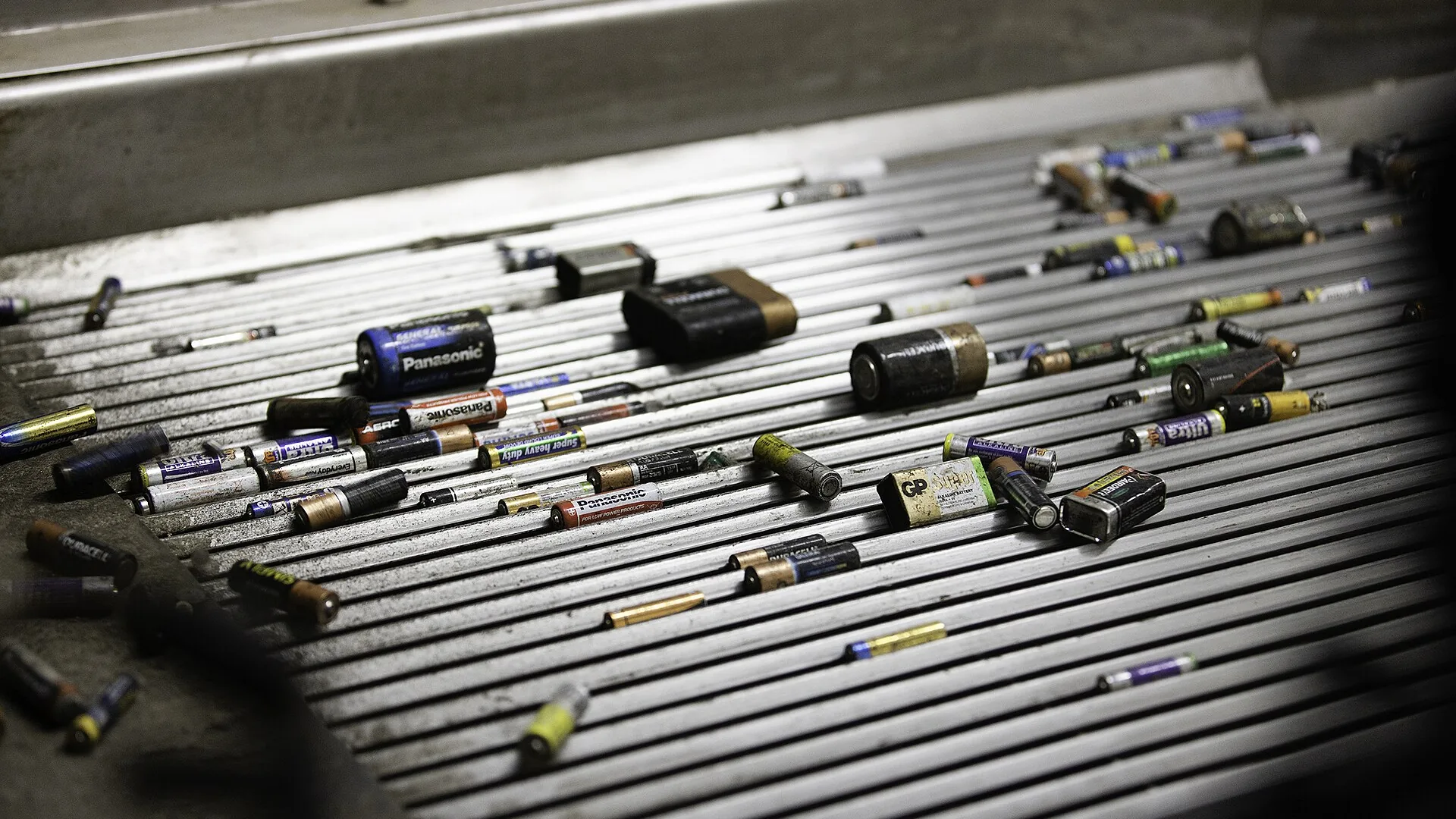
Identify your EPR schemes. Packaging first, but the same product can trigger others: textiles, electrical equipment, batteries, furniture. A clothing seller combines the parcel's packaging and the textile scheme (in French).
Choose the route: direct membership if you are established in France, an authorised representative if you sell from abroad.
Enter the IDU on your marketplaces. This is the step that lifts the blocks, since it provides the proof that exempts the platform.
Keep declarations up to date, scheme by scheme and country by country.
To choose a provider, 4 criteria are enough: the schemes covered (a packaging specialist will be of no use if your products also trigger the textile scheme), the scope of the mandate and what it excludes, geographical coverage if you sell in several countries, and the time needed to obtain the identifier, since that is what unblocks a suspended account.
On budget, there are 2 separate invoices. First, membership of the PRO in the country concerned: for France, €110 excl. VAT at Citeo below 10,000 consumer sales units (UVC), or €95 to €150 excl. VAT at Léko for small volumes (public 2026 fee schedules). Then the fees of the authorised representative provider, from around €200 excl. VAT per year and per scheme: these amounts are ranges observed in 2026, they vary between providers and are not set by any official schedule. On top comes the EPR fee itself, proportional to volumes and often a flat rate at low tonnages.
5Key takeaways
Paying your EPR fees is not enough: you also need to know who legally carries the obligation in the country of sale.
Since 10 July 2026, any person not established in France and subject to EPR must appoint an authorised representative there, across all schemes.
Since 12 August 2026, the PPWR requires an authorised representative (Article 45) in each country where you are not established, and registration (Article 44) goes through existing registers until the PPWR ones are in place.
The unique identifier is the operational key: without it, the marketplace carries your obligation and covers itself.
A packaging supplier is not your authorised representative. Product conformity and EPR responsibility are two separate roles, and the PPWR assigns them to 2 different authorised representatives (Articles 17 and 45).
These are two different questions. The payment funds end-of-life management; the authorised representative answers the question of who carries the obligation on French territory. Since 10 July 2026, a person not established in France must appoint a responsible party there who can be reached, whether or not fees are up to date. Your PRO is asking because it cannot maintain your membership without that link.
Not for EPR, unless it is established in that country and accepts the obligations. The Article 45 authorised representative must be established in the country of sale: a French consultancy or supplier therefore cannot be your EPR authorised representative in Spain or Belgium. And it is not the same job: the authorised representative carries your producer responsibility (membership, unique identifier, declarations, fees) and does not advise, while your supplier answers for the conformity of the packaging it sells you, not for that responsibility. Not to be confused with the Article 17 authorised representative for conformity, optional and established anywhere in the Union, which keeps the manufacturer's declaration of conformity at the disposal of the authorities. A consultancy's role comes upstream: mapping flows by country, settling who is the producer of what and selecting the authorised representative provider.
Yes, if you are not established there and you place packaged products on the French market, including at a distance. Being compliant in your own country does not exempt you from appointing an authorised representative in France. One exception exists where a platform established in France already ensures the EPR compliance of your products.
The authorised representative's own fees start at around €200 excl. VAT per year and per scheme: these are ranges observed in 2026, which vary with the provider and the number of schemes, with no official published schedule. Separately, PRO membership follows a public fee schedule: for France, €110 excl. VAT at Citeo below 10,000 consumer sales units (UVC), or €95 to €150 excl. VAT at Léko for small volumes (2026 schedules). Last comes the EPR fee, proportional to the volumes placed on the market.
The concrete risk is commercial before it is administrative. Without a valid unique identifier, the online marketplace becomes liable again and generally suspends listings to protect itself, often without clear notice. Regularisation remains possible at any time, and it takes weeks.
It depends on the destination country, and the difference is surprising. For domestic French sales, the EPR fee on the primary packaging, the bottle or the jar, is in principle carried upstream by whoever packed the product for the French market: you then declare only the shipping packaging you add. For distance sales to another EU country, the logic is often reversed, because you are the one making that packaging available on that market for the first time. You then carry local EPR on the whole parcel, primary packaging included. Germany, for example, designates as producer whoever first places packaging on the German market on a commercial basis. Online wine merchants and grocers discover this point late, often after a first letter. The rule should be checked country by country before shipping, since the definition of producer leaves Member States their own liability regime.
The French authorised representative has covered all EPR schemes since 10 July 2026, while the PPWR one has covered packaging since 12 August 2026. The first stems from Article L. 541-10-9-1 of the French Environmental Code, created by Law No. 2026-602 of 8 July 2026, which covers any person not established in France and subject to EPR. The second stems from Article 45 of Regulation (EU) 2025/40 and applies in each Member State of sale where the producer is not established. A foreign seller shipping to France must meet each of these obligations.
Yes, but only for products for which an online platform established in France already ensures compliance with EPR obligations: the text then treats the obligation as met. This exception cannot be presumed, and you should ask the platform for written confirmation listing precisely the products covered. It applies only to sales made through that channel: those made in parallel on your own website, or through a platform not established in France, remain subject to the appointment of an authorised representative.
Not yet for your packaging: the household packaging scheme covers products intended for the final consumer, and the professional packaging scheme only starts on 1 January 2027, after a postponement. The French obligation to appoint an authorised representative, which covers all EPR schemes, will therefore apply to you on that basis as soon as that scheme comes into force, if you are not established in France. Also check whether your products fall under another scheme (textiles, electrical equipment, batteries, furniture), which may make you affected today.
One per country of sale where you are not established. Article 45 of the PPWR sets a territorial rule, with no European one-stop shop: 6 countries of sale mean 6 appointments, plus registration in the national register of producers of each of those countries under Article 44. Some providers cover several countries under a single contract, which simplifies management without changing the nature of the obligation. The number of countries served thus becomes an economic trade-off, to be measured before opening a new destination.
Yes, in principle. The regulation defines the authorised representative for extended producer responsibility as any natural or legal person established in the Member State concerned and appointed by written mandate (Articles 3 and 45): nothing requires an external provider. A group company established locally can therefore take on the role, if it accepts the obligations that come with it (registration, declarations, fees, contact point for the authorities) and has the administrative means to do so. Also check the arrangements in the country concerned, which national law may specify. For countries where the group has no entity, a provider covering several countries completes the set-up under a single contract.
The obligation already exists. Since 12 August 2026, Article 45 of the PPWR has imposed it in each EU country where you make packaging or packaged products available directly to the end user, whether an individual or a business that uses the product, without being established there; if you sell to a distributor established locally, the distributor is in principle the producer. In France, the national obligation has covered, since 10 July 2026, any non-established person subject to an EPR scheme, professional packaging included from 1 January 2027. Waiting for a customer's request means receiving it in a tender or a suspension letter, with weeks of regularisation. The sound method is to list the delivery countries, the volume and the type of customer for each, to deal first with the countries where customers are starting to ask and those where a subsidiary can carry the mandate, then to decide for small flows between appointing an authorised representative and giving up the destination. Our verification tool places you in 3 questions.