
Skip to content
Get in touchFR
Updated in October 2026
Regulation

PPWR reuse: targets by category, from 2030 to 2040

PPWR reuse turns the old deposit and return system into a quantified obligation: 40% of transport packaging and 10% of beverages sold by final distributors from 2030, rising in 2040. The targets do not cover everything, and cardboard is excluded.

Guillaume Pakula
By Guillaume Pakula, co-founder of Celsius. Since 2019, he has helped 80+ organisations with their Bilan Carbone® and climate strategy.
June 2026
Updated October 2026 · 8 min
Reuse is the deposit and return system our grandparents knew: a bottle returned, washed and refilled. The Packaging and Packaging Waste Regulation (PPWR) (Regulation (EU) 2025/40) makes it a quantified obligation, though not for everything: it sets a target by packaging family, 40% of transport and 10% of beverages sold by final distributors in 2030, rising in 2040. The practical challenge lies in building a reuse loop with several parties.
Key takeaways
  • 1The PPWR sets a reuse target by packaging family, rather than an overall target.
  • 2Transport and e-commerce: 40% reusable in 2030, rising to 70% in 2040.
  • 3Beverages sold by final distributors: 10% in 2030, rising to 40% in 2040.
  • 4Cardboard excluded, micro-enterprises below 1 tonne exempt; a loop takes 2 to 3 years.

The short answer: the Packaging and Packaging Waste Regulation (PPWR) does not require anyone to reuse everything. It sets a reuse rate by packaging family. For transport and e-commerce, this rate is 40% in 2030, then 70% in 2040. For beverages sold by final distributors, it is 10% in 2030, then 40% in 2040. Non-cardboard grouped packaging boxes have a 10% target in 2030. Everything else, including all cardboard, has no reuse target.

2 qualifications often change the verdict: cardboard is outside scope, and micro-enterprises placing at most 1 tonne of packaging on a country's market are exempt. Before calculating anything, you therefore need to know which family your packaging belongs to. The rest of the article defines reuse under the text, sets out each family and its rates, explains why this requirement is harder than a recycled content percentage and sets out where to start.

1Reuse or recycled content: 2 obligations that are often confused

Reuse is poorly understood because people confuse it with recycling. A simple image captures the difference. Recycling grinds packaging down to make material again: a bottle becomes flakes, then a new bottle. Reuse keeps the packaging whole and uses it again as it is: the same bottle returns, is washed and is refilled. This is the old deposit and return system, or the pallet making dozens of rotations between a warehouse and its suppliers.

Terminology

Recycling or reuse: two actions, two obligations

The PPWR combines two requirements: one targets the material, the other the object. Meeting one never exempts you from the other.

Recycling
The material
Open transformation loop
Used bottle→Grinding into flakes→New bottle
PPWR obligation: a minimum share of recycled content.
Reuse
The object
Tight closed loop
Bottle in use→Washing→The same bottle
PPWR obligation: a target share of reusable packaging.
Key takeaway. These are two separate, cumulative obligations. Meeting one never exempts you from the other.
Regulation (EU) 2025/40, Articles 7 and 29.

The PPWR treats them separately. Recycled content is an obligation concerning the material: what percentage of the plastic in the packaging is recycled. Reuse is an obligation concerning the object: what share of your packaging circulates in a loop. These are 2 separate, cumulative requirements. The same packaging may need to contain 30% recyclate and belong to a reusable pool; reducing one never exempts it from the other.

Recycling remakes the material; reuse keeps the object. The PPWR requires both, and one never compensates for the other.

2The 3 packaging families subject to a target

The PPWR does not set a single target. It covers 3 families, each with its rate and deadline, plus non-cardboard grouped packaging boxes (10% in 2030, with 25% targeted in 2040). The infographic above summarises them; here is what each covers.

Article 29

PPWR reuse targets, packaging family by packaging family

Not one overall target, but a separate target for each packaging family, set in two stages. Tap a row to see the first step to take.

  1. Everything else
    Cardboard (all categories), microenterprises, other sales packaging: no reuse target under the PPWR.
Key takeaway. Cardboard and microenterprises are outside the scope. The target is based on the packaging put into circulation, not on turnover.
Regulation (EU) 2025/40, Article 29; forthcoming implementing acts on calculation and exemptions.

These percentages are calculated by number of units, rather than by weight: Article 30 requires the operator using the packaging to count equivalent reusable and other packaging units used over a calendar year, target by target. A pallet counts as a pallet, and a Commission implementing act must set the detailed methodology by 30 June 2027 at the latest. The obligation to demonstrate achievement of the targets applies from 1 January 2030, or 18 months after that act enters into force if this is later.

Transport of goods: 40% in 2030, 70% in 2040

Pallets, pallet boxes, returnable crates, drums, pallet wrapping and strapping fall under this category. From 1 January 2030, at least 40% of this packaging must be reusable, rising to 70% in 2040. Between the sites of the same company, or when delivering to another company in the same country, the requirement rises to 100% from 2030 (Article 29, paragraphs 2 and 3). A typical example: a distributor delivering to its shops in plastic crates that leave on the next lorry is already on target. Crucially for logistics, cardboard boxes are excluded from this target.

E-commerce parcels: the same rules, except for cardboard

Shipping parcels and overpackaging follow the same trajectory, 40% in 2030 then 70% in 2040, with cardboard excluded. Examples include the reusable mailing bags sent out by some e-commerce businesses and taken back when returned. A further rule applies from 1 January 2030 at the earliest: the empty space ratio is capped at 50%, prohibiting shipment of a small product in a large box half filled with air.

Beverages sold by final distributors: 10% in 2030, 40% in 2040

For alcoholic and non-alcoholic beverages, the PPWR targets final distributors, those selling the beverage to the final user, from supermarkets to bars (Article 29, paragraph 6): 10% of beverages in reusable packaging in 2030, then 40% in 2040. Milk, wine and spirits are excluded, as are sales outlets of 100 m² or less. Keg and bottle deposit return in cafés, hotels and restaurants is the most common and most profitable example, because the container never leaves the commercial reuse loop.

Many packaging types have no reuse target

Knowing which types have no reuse target helps avoid unnecessary projects.

  • Cardboard, everywhere: cardboard boxes are excluded from both transport targets (Article 29, paragraph 4) and grouped packaging targets. The PPWR directs them towards recyclability rather than repeated use.
  • Packaging for dangerous goods transported under Directive 2008/68/EC.
  • Custom-designed packaging for transporting machinery, equipment or large goods according to the requirements of the operator commissioning it.
  • Flexible formats in direct contact with food or feed, as defined in Regulation (EC) No 178/2002, or food ingredients: sacks, bulk bags and transport pouches. In our reading, this regulation defines feed as any product intended for oral feeding to animals, without limiting it to livestock: a bulk bag of raw material for pet food would therefore be excluded, a point to confirm with your animal feed regulatory adviser. The pallet and film carrying these bags remain subject to the target.
  • Micro-enterprises (fewer than 10 employees, below the turnover threshold) placing at most 1 tonne of packaging per year on a country's market: exempt from reuse targets but still subject to the regulation's other rules.
  • All other sales packaging outside these targets: it falls under recyclability and recycled content, rather than reuse.

Where a target applies, the obligation falls on the company putting the packaging into circulation: the final distributor for beverages and the distributor or shipper for transport and e-commerce. The pallet manufacturer supplies the container but does not have to meet the target. To identify your situation precisely, the PPWR scope test also applies to reuse.
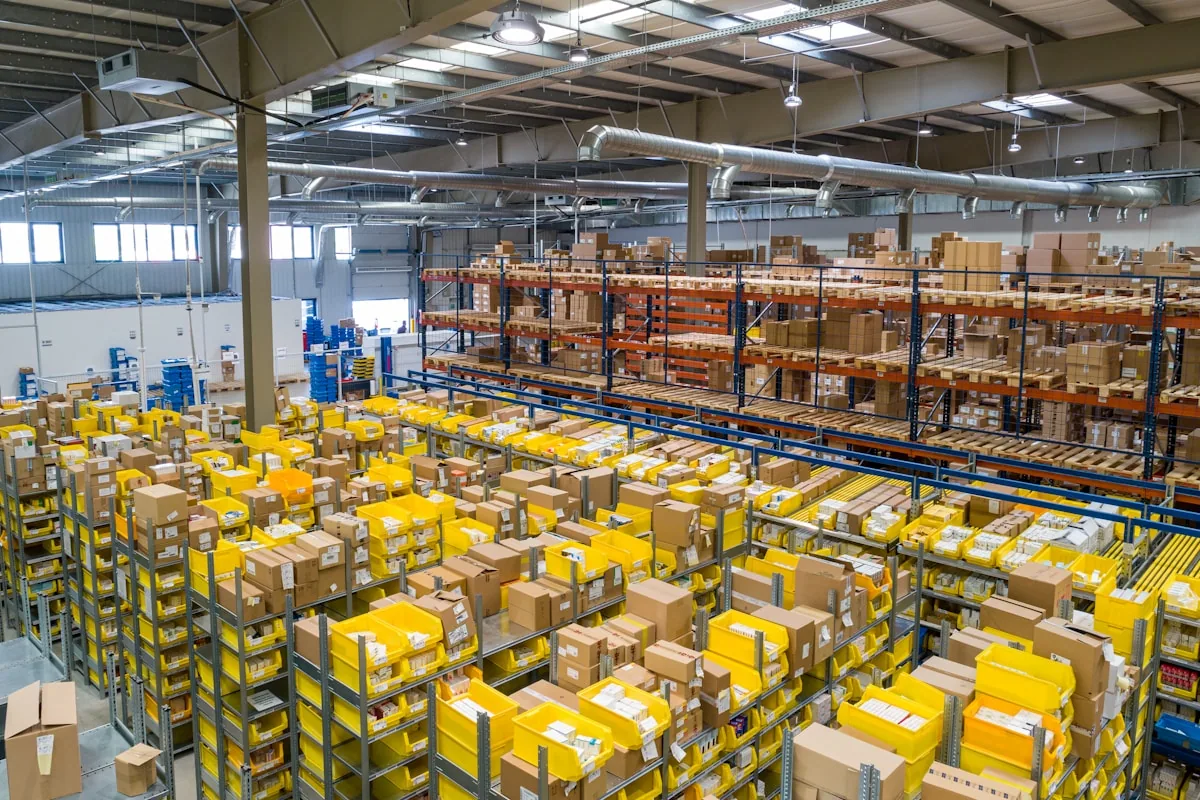
Loading bay, handling reusable containers between two sites
A reuse target is achieved through logistics: return, inspection and washing. The project takes 2 to 3 years.

3Why a reuse target is harder than a recycled content percentage

A recycled content percentage is addressed through the supplier contract: change the material, certify it and meet the threshold in-house. A reuse target is addressed elsewhere, in logistics. It requires a pool of containers, a return route, a washing or inspection facility and often a third party to pool the system. This is a change of model, rather than a change in purchasing.

This explains the lead time. Establishing a loop, qualifying a pallet pooler and sizing a washing facility takes 2 to 3 years: aiming for 2030 without starting in 2026 leaves you chasing the deadline. Reuse is also an area where a poor choice shifts environmental impacts rather than reducing them. A heavy reusable crate, washed with hot water then returned empty over 300 km, may have a greater impact than a single-use cardboard box: this is a question for life cycle assessment (LCA) (in French), the same approach as when considering a solution based entirely on bioplastics (in French).

A reuse system cannot simply be bought: it is built collectively. That makes it slow to establish and durable once in place.

Where to start

The four reuse loops, from most profitable to hardest

Four steps that structure a reuse plan. Tap a step to see what it involves.

Key takeaway. Closed loops first: each rotation there saves a new item of packaging, without relying on consumer action.
Regulation (EU) 2025/40, Article 29; deposit-return system, Article 50.

4Where to start: your closed loops first

The first action is to identify your closed loops, rather than choose a reusable container: the routes where packaging returns as a matter of course. Transport between your sites, shuttle runs to a warehouse and deliveries to regular customers are where reuse is already profitable, because returns are controlled and each rotation avoids the need for a new package. This is also an eco-design (in French) project, rather than a simple change of supplier.

  • Transport between sites: pallets and returnable crates in an internal loop, the simplest case for switching to reuse.
  • Pallet pooling: an operator supplies the reusable pool, with no investment in containers on your part.
  • Recurring deliveries: the business-to-business (B2B) customer receiving deliveries every week, where the crate leaves on the next visit.
  • Beverages in cafés, hotels and restaurants: keg and bottle deposit return already exists and can be expanded rather than invented.

Open loops, where products are sold to dispersed final consumers, are the hardest and come last: they require a deposit and return system and collection. The deposit and return system for bottles and cans from 1 January 2029 prepares the ground. The complete PPWR guide sets out the overall sequence. Our packaging eco-design method addresses the design work.
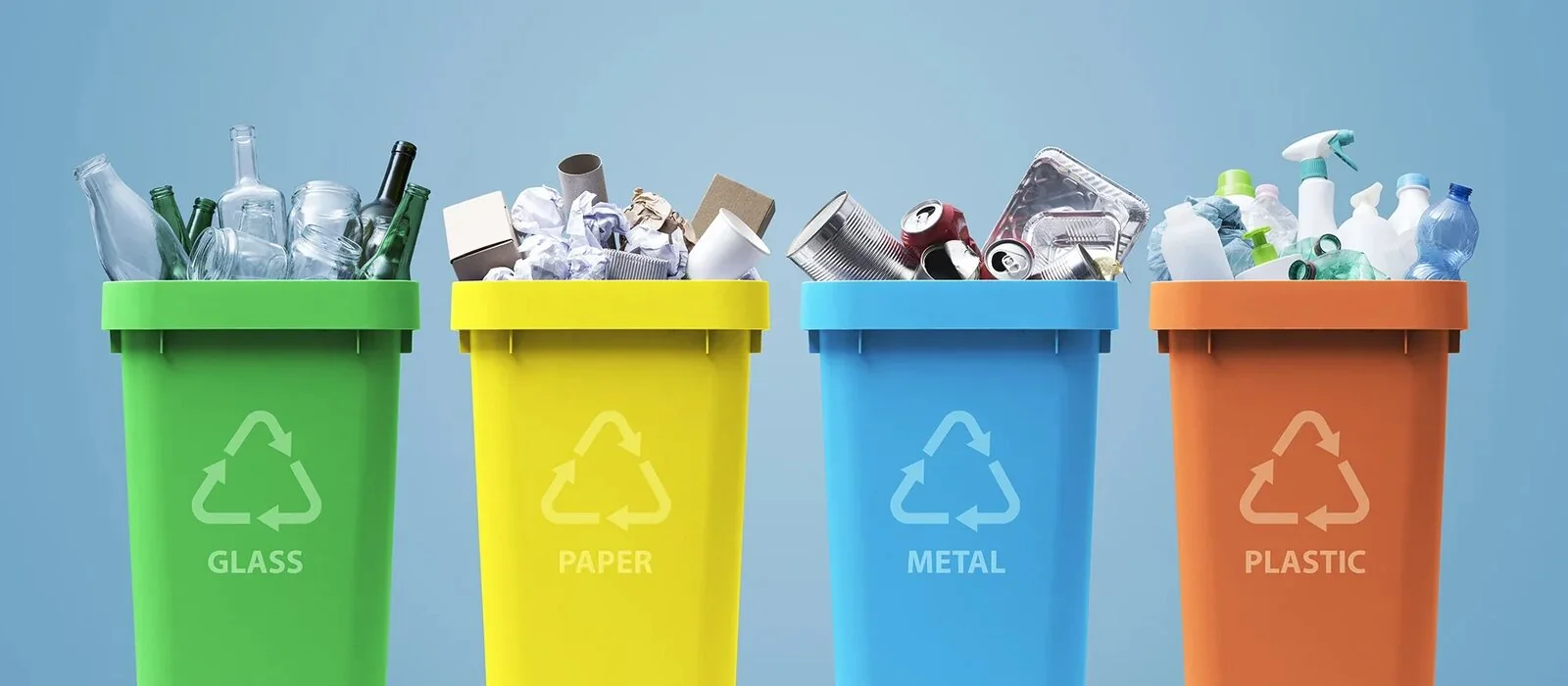
Colour-coded collection and sorting bins, anticipating deposit and return systems
Open loops (final consumers) require a deposit and return system and collection infrastructure. Harmonised deposit return for bottles and cans arrives on 1 January 2029.

5Key takeaways

PPWR reuse requirements do not mean reusing everything: they set a quantified trajectory by packaging family, achieved through logistics before the container itself.

  • A target per family, rather than overall: 40% for transport and e-commerce, 10% for beverages sold by final distributors in 2030.
  • Increased in 2040: 70% for transport and e-commerce, 40% for beverages.
  • Outside reuse targets: cardboard, dangerous goods, custom packaging for large machinery, flexible formats in contact with food or feed and micro-enterprises below 1 tonne of packaging.
  • Reuse is not recycled content: 2 distinct, cumulative obligations.
  • Start with closed loops, which are profitable already.

At Projet Celsius, we see this as the point where the PPWR shifts from an eco-design issue to a supply chain issue. This makes the task both daunting and manageable: a closed loop is profitable in its own right, since every rotation replaces a purchased package. The right sequence is to switch your transport flows between sites first, then examine the more difficult loops. The regulation requires transport flows between sites to be 100% reusable from 2030, and existing tools already cover them, so there is no need to wait for the pooling market to mature. Waiting until 2029 means discovering that poolers and washing facilities are at capacity and paying a premium for reusable containers.
Further resources

Frequently asked questions

No. The regulation sets a reuse rate by packaging family, rather than a single target. Transport and e-commerce have targets of 40% in 2030 and 70% in 2040; beverages sold by final distributors, 10% in 2030 and 40% in 2040. Most packaging, including all cardboard, has no reuse target: it falls under recyclability and recycled content.
No. Cardboard boxes are explicitly excluded from transport and grouped packaging reuse targets. The PPWR's approach is to direct them towards recyclability and recycled content. Cardboard packaging remains subject to the regulation's other requirements, but not the reuse target.
The company putting the packaging into circulation: the final distributor for beverages, meaning the party selling them to the final user, and the distributor or shipper for transport and e-commerce. The pallet or crate manufacturer supplies the reusable container but does not have to meet the target. The PPWR scope test helps identify your role.
No, they are 2 distinct, cumulative obligations. Reuse concerns the object: the same packaging used several times. Recycled plastic content concerns the material: the proportion of recyclate in the packaging. The same packaging may need to meet a recycled content threshold and belong to a reusable pool.
Through closed loops that are already profitable: transport between your sites in returnable crates, pallet pooling through an operator and recurring deliveries where the packaging leaves on the next visit. These options exist without waiting for 2030 and use proven tools. Note that between your own sites and when delivering to another company in the same country, the regulation requires 100% reusable packaging; the 40% target concerns the other flows.
No, as long as they place no more than 1,000 kg of packaging per year on a Member State's market: if they meet these two conditions, micro-enterprises are exempt from PPWR reuse targets. They remain subject to the other requirements, particularly packaging recyclability and, where applicable, recycled content. The derogation covers reuse targets rather than the entire text.
Packaging designed to make several rotations within an organised reuse system, rather than simply a sturdy container. It must meet 3 conditions: the container withstands successive cycles without losing its function, a return route allows it to be recovered and washing or inspection reconditions it before refilling. A sturdy plastic crate used once and discarded therefore does not count towards the target. Reuse keeps the object whole, whereas recycling grinds down the material to manufacture new packaging.
Allow 2 to 3 years between the decision and a functioning system: building the container pool, organising returns, sizing a washing facility or choosing a pooling operator, then scaling up. This takes longer than a conventional packaging redesign because reuse involves logistics and often several companies at once. To meet the 1 January 2030 deadline, the decision must therefore be taken in 2026 or 2027, starting with closed loops such as transport between your own sites, where returns are already controlled.
Not necessarily, because it shifts the expense. Single use is paid for on each shipment, through packaging bought and then discarded. Reuse requires an initial investment in a container pool and return arrangements, after which each rotation replaces a new package. Profitability depends on the number of rotations achieved and the pool's loss rate. Using a pallet or crate pooler avoids investment in containers and turns the expense into a usage cost. Closed loops between the same company's sites reach break-even fastest.
No, not always: the outcome depends on the actual return rate, number of rotations, container mass, washing energy and distance between the collection point and washing site. It worsens when the logistics loop lengthens or there are few rotations. A heavy reusable crate, washed with hot water then returned empty over 300 km, may have a greater impact than a single-use cardboard box. A life cycle assessment can establish the outcome for a given flow before investing in a reusable pool.
No. Article 30 of Regulation (EU) 2025/40 requires equivalent packaging units to be counted per calendar year, rather than tonnes: a pallet counts as a pallet, heavy or light, and a target expressed as a percentage of weight does not match the text. Calculation is target by target, meaning flow by flow: deliveries to another company in the same country and movements between your sites or with linked companies (100%); other flows, including deliveries to other Union countries (40%). A Commission implementing act will set the detailed methodology by 30 June 2027 at the latest.
No, in our reading of Article 29, paragraph 4, which excludes flexible formats used for transport and in direct contact with food or feed as defined in Regulation (EC) No 178/2002. This regulation defines feed without limiting it to livestock: pet food is therefore covered in principle. The pallet and film carrying these bags remain subject to the target on the same flow. An exclusion needs documentation: retain evidence of this direct contact in the packaging's technical documentation, as with any exemption claimed in your declaration of conformity.
In principle you do, if you are the shipper: the regulation covers economic operators using transport packaging to deliver, and in our reading a customer's contractual requirement is not among the exclusions. Examine three options before reaching a conclusion. First, check whether some flows are excluded by Article 29, paragraph 4: dangerous goods, custom packaging and flexible formats in contact with food. Next, distinguish domestic flows, which must be 100% reusable in 2030, from deliveries to other Union countries, subject to 40%. Finally, consider pooling: the rental provider collects the pallet from your customer, who has nothing to send back to you. Before deciding, discuss hygiene constraints with the pooler, such as those at sites handling animal by-products.
or: [email protected]

More articles to read

View all →
French environmental cost label for clothing: what changed on 1 October 2026
Regulation

French environmental cost label for clothing: what changed on 1 October 2026

6 min read
Which garments can display an environmental cost in France? Timeline and thresholds, 2025-2027
Regulation

Which garments can display an environmental cost in France? Timeline and thresholds, 2025-2027

10 min read
Removable batteries and battery passports: who is affected in 2027?
Regulation

Removable batteries and battery passports: who is affected in 2027?

14 min read

No two situations are exactly alike.

Tell us about yours: your situation, deadline and budget. A senior consultant will reply within 24 working hours with an honest assessment.

Let us discuss it within 24 hours →
Our toolkit

A full range of free assessment tools

Cost estimator, obligation and eligibility checkers, footprint calculator.

Estimate costs and impacts
Réf. 2026·BC·0184RAPPORT · EXERCICE 2026Bilan Carbone®complet 1·2·3Restitution Comex · Plan d'action 2027SOMMAIRE01Synthèse exécutivep. 402Périmètre et méthodologiep. 1203Émissions par scopep. 2404Plan d'action 2027p. 5605Annexes méthodologiquesp. 78VOLUME84 pages · ConfidentielRÉFÉRENTIELISO 14064 · GHG ProtocolDEVIS · BC.2026.0184Émis 05·05·2026 · Validité 30 jCabinet Celsius · Paris 3eCHIFFRAGE INDICATIFVotre entrepriseETI · 180 collaborateurs · CSRD 2027PRESTATIONBilan Carbone®Périmètre 1·2·3 · 13 semainesAIDE BPIFRANCE · - 60 %FOURCHETTE INDICATIVE HT16 800à 22 400 €DÉTAIL DE LA MISSION01 · CADRAGE3 sem.~ 4 200 €02 · MODÉLISATION8 sem.~ 9 800 €03 · RESTITUTION2 sem.~ 4 800 €Estimation indicative · Affinée après cadrageSIRET 891 234 567 00012

Bilan Carbone® cost estimator

Your price range in 1 minute, based on 2026 market rates and public funding.

1 minStart
Estimate costs and impacts
EMPREINTE IA · USAGE MENSUELVOTRE EMPREINTE TOTALE4,2 kgCO₂eq sur 1 000 prompts type · Mai 2026COMPARAISON DES MODÈLES · 1 000 PROMPTS TYPEGPT-4oOpenAI6,8 kgClaude OpusAnthropic2,1 kgGemini ProGoogle4,5 kgMistral LargeMistral AI · FR1,6 kg

AI carbon footprint calculator

The climate impact of your AI queries, by model and task. Ecologits methodology.

3 minStart
Check an obligation
DIAGDÉCARBON'ACTIONACCÉLÉREZ LATRANSFORMATIONÉNERGÉTIQUE ETÉCOLOGIQUE DEVOTRE ENTREPRISEDISPOSITIF OFFICIEL · BPIFRANCE × ADEMESIMULATEUR · ÉLIGIBILITÉÉLIGIBLEVous remplissez les 3 critères du Diag Décarbon'Action.VOTRE FINANCEMENT10 000 € HT6 000 €HTReste à charge après subvention BpifranceRÉPARTITION DU FINANCEMENTBPIFRANCE 40%VOUS 60%4 000 €6 000 €DISPOSITIF SUBVENTIONNÉ PAR

Diag Décarbon'Action eligibility

Check in 30 seconds whether your business is eligible for Bpifrance funding covering 40% of a Bilan Carbone® assessment.

30 secStart
Check an obligation
RÉPUBLIQUE FRANÇAISEMinistère de la Transition ÉcologiqueOBLIGATION LÉGALEBilan d'Émissions deGaz à Effet de SerreArticle L.229-25 du Code de l'environnementDécret 2022-982 · publié 1er juillet 2022PÉRIODICITÉ · 4 ANSDÉPÔT · ADEMESIMULATEUR · OBLIGATION BEGESASSUJETTI720 salariés · obligation BEGESSANCTION ENCOURUE50 000 €amende max si non-réalisationart. R.229-50RÉFÉRENCE OFFICIELLE

BEGES checker

Does the BEGES requirement apply to you? An immediate answer, with the deadline and penalty.

30 secStart
Check an obligation
9:42SCANSCANNING DPP...DPP IDENTIFIÉT-shirt coton bioSKU TX-CB-220 · Lot L-26-04781CONFORME ESPR42 DATA POINTS · 5 SECTIONSORIGINEInde · GOTSCoton bioEMPREINTE5,2 kg CO₂eqACV ISO 14040RECYCLABILITÉ85%Filière cotonRÉPARABILITÉ7,5 / 10Pièces accessiblesFIN DE VIEFilière TLC · Bordeaux/FRRécupérateur agréé RefashionUE · ESPR 2024/178112.05.2026

DPP checker

Is your product covered by the Digital Product Passport?

1 minStart
Check an obligation
COÛTENVIRONNEMENTAL386POINTS257POUR 100 GMéthode officielleEcobalyse, v7.0.0SIMULATEUR · AFFICHAGE ENVIRONNEMENTALÉLIGIBLETextile · affichage volontaireCOÛT ENVIRONNEMENTAL386 ptst-shirt 150 g · 257 pts pour 100 gExemple : FAQ du ministère de la Transition écologique

Textile environmental labelling 2026

Voluntary labelling, but third parties can publish it from October 2026: where do you stand?

1 minStart