
- 1From 2030, plastic packaging placed on the EU market must contain recycled plastic, subject to exemptions.
- 2Only recyclate from collected waste counts: factory scrap contributes nothing towards the requirement.
- 3Four thresholds in 2030, from 10 to 35%, rising to as much as 65% in 2040.
- 4Qualifying a recycled material supplier takes 6 to 12 months: contracts are signed in 2026-2027.
You have come across recycled plastic content and the acronym PPWR (Packaging and Packaging Waste Regulation) in a specification or packaging meeting, with a sense that it affects you but no clear idea how. The short answer: if your company sells products packaged in plastic on the European market, you are affected. From 1 January 2030, or later if the calculation methodology is delayed, most plastic packaging will have to contain a minimum proportion of recycled plastic, from 10 to 35% depending on its category and up to 65% in 2040.
Your 2030 threshold, your 2040 threshold and where to start
Select your type of packaging: the four categories in Article 7 cover all plastic packaging placed on the European market.
Single-use plastic beverage bottles
Water, soft drinks, juice, milk: any single-use beverage bottle, whatever the resin (PET in practice).
Material that counts: Food-grade post-consumer recycled (PCR) material from an authorised process. Factory scrap does not count.
State of the market: Food-grade rPET exists at industrial scale. The 2029 deposit and return system (90% collection target) will increase the supply of feedstock - and the competition to buy it.
The selector below gives the threshold for each packaging type. The rest of the article puts the obligation in context: where it comes from and who it covers, which material counts (your factory scrap does not), the risks for non-compliant packaging and why sourcing recycled material starts in 2026-2027.
1The PPWR requires minimum recycled plastic content from 2030
The PPWR (Packaging and Packaging Waste Regulation) is Regulation (EU) 2025/40 on packaging and packaging waste. It entered into force on 11 February 2025 and has applied since 12 August 2026, replacing the 1994 directive and applying as written across the 27 Member States. Our packaging regulation guide provides an overview; this article examines the requirement with the greatest impact on purchasing: Article 7, minimum recycled content in plastic packaging.
From 1 January 2030, any plastic part of packaging placed on the European market will have to contain a minimum percentage of recycled plastic, set by category and then increased on 1 January 2040. Packaging manufacturers and importers demonstrate conformity, but the obligation extends to every brand selling packaged products: the producer test applies here too.
This obligation has a precedent: since 2025, the Single-Use Plastics Directive has already required 25% recycled content in polyethylene terephthalate (PET) bottles. The PPWR extends this approach, with an explicit objective: creating guaranteed demand for recycled material so that collection and recycling systems have a stable market.
Mandatory recycled content, in four key points
What to keep in mind before going into the thresholds.
The European packaging regulation, applicable from 12 August 2026 in the 27 Member States, with no national transposition. Recycled content is covered by its Article 7.
Every plastic part of packaging placed on the market will have to contain a minimum percentage of post-consumer recycled plastic.
Packaging manufacturers and importers demonstrate compliance; any brand that sells packaged products is affected by it. No size threshold grants an exemption.
First stage from 1 January 2030 (10 to 35% depending on the category), second stage from 1 January 2040 (up to 65%).
2The 4 thresholds by packaging type: 2030, then 2040
Article 7 defines 4 categories of plastic packaging, each with its 2030 threshold and 2040 level. To classify a catalogue item, 2 questions are enough: is it a single-use beverage bottle? If not, is the packaging contact-sensitive, meaning intended for a product whose safety is regulated: food, cosmetics, medicines, medical devices or animal feed?

The 4 thresholds, from 10 to 35% in 2030
- Single-use beverage bottles: 30% in 2030, 65% in 2040. This category has the most mature recycling system.
- Contact-sensitive PET packaging (trays, pots and films): 30% in 2030, 50% in 2040.
- Contact-sensitive packaging made from other plastics (polypropylene (PP), high-density polyethylene (HDPE) and multilayers): 10% in 2030, 25% in 2040. This is the lowest threshold because of the lack of compliant material.
- All other plastic packaging (films, containers, void fill and transport packaging): 35% in 2030, 65% in 2040. This is the highest initial threshold.
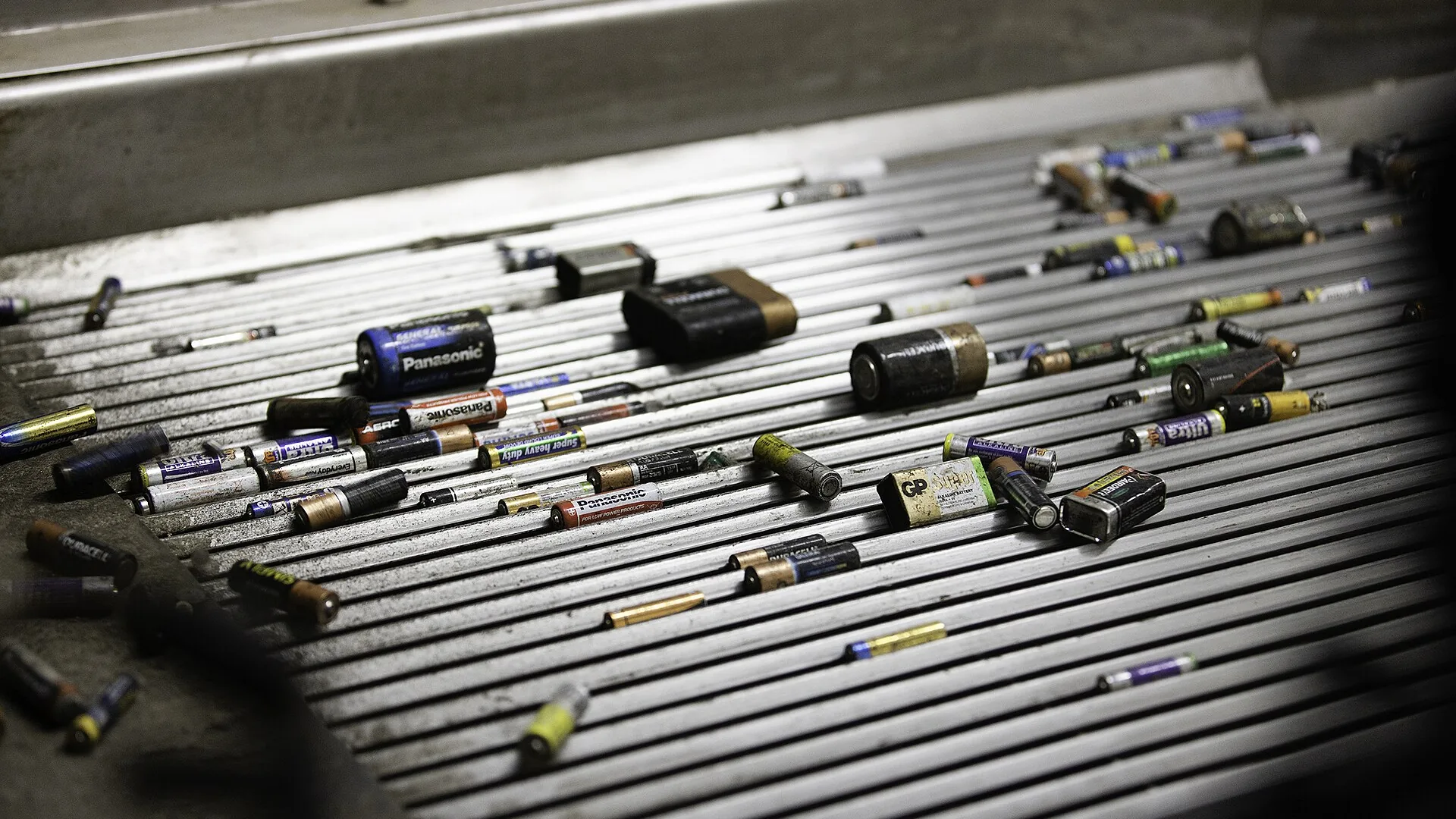
The differences reflect how mature the recycling systems are: 30% for PET, where food-grade recycling has long operated at industrial scale, and 10% for other contact-sensitive polymers, where material suitable for contact remains unavailable at scale. The Union is also applying the same mechanism elsewhere: the Battery Regulation will require its own recycled material percentages from 2031.
Percentages are averaged per plant and year, rather than assessed per bottle
The percentages are assessed as an average per manufacturing plant and year, for each packaging type and format: a catalogue item may fall below the threshold if another, produced in the same plant, exceeds it enough to compensate. The official calculation methodology will be set in an implementing act expected by 31 December 2026. If it is delayed, the 2030 deadline moves accordingly, as the regulation provides. Be cautious about building an offsetting strategy around unpublished rules.
Exempt packaging
The thresholds do not cover packaging for medicines and medical devices, packaging for infant food, transport of dangerous goods, compostable plastic packaging or any plastic part representing less than 5% of the packaging's total mass. The compostable exemption does not resolve everything: our review of bioplastics (in French) and guide to eco-design with bioplastics (in French) explain the pitfalls.
3Post-consumer recyclate counts; factory scrap does not
The regulation does not require recycled plastic in general: it requires recycled content recovered from post-consumer plastic waste, meaning plastic that has been placed on the market, used, discarded, collected and reprocessed. The industry calls this PCR (post-consumer recycled). A bottle from France's yellow recycling bin reprocessed into pellets falls within this definition.
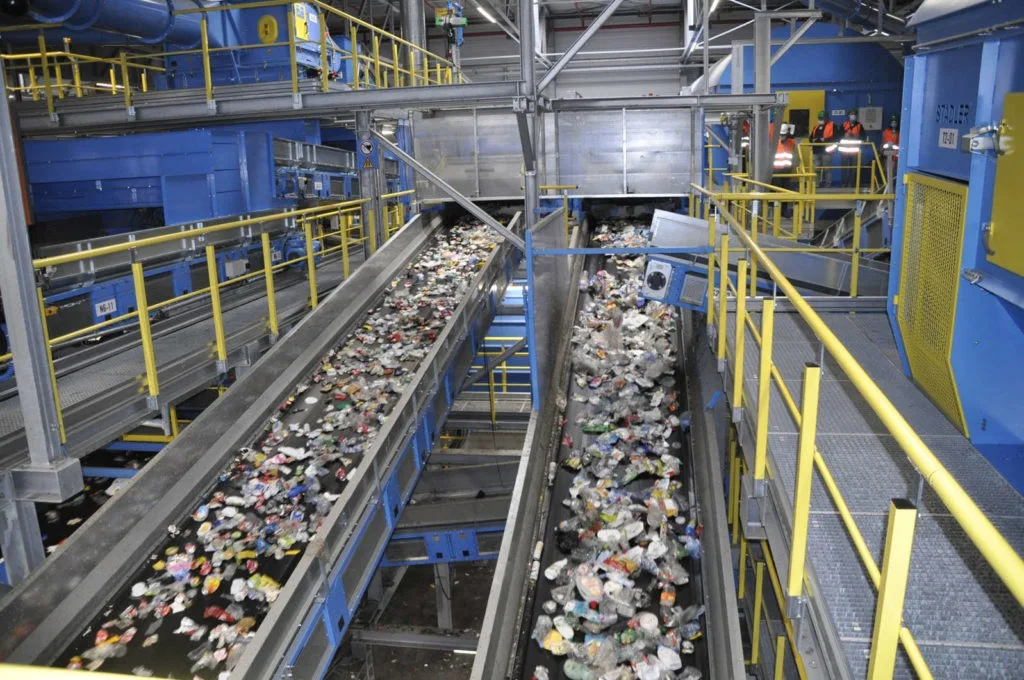
By contrast, PIR (post-industrial recycled) means production scrap reground at the end of the line: injection runners, film trimmings and quality rejects. This material is clean, available and easy to reincorporate, but counts for zero under Article 7 because it has never left the industrial circuit or reduced waste in anyone's bin. A company claiming 30% recycled content through its own scrap therefore starts from zero under the PPWR and still needs to secure its full recycled material supply.
The regulation adds a traceability requirement: the material must have been collected and recycled to European standards, in the EU or a third country applying equivalent rules, with documentary evidence. One final point to watch: displaying 30% recycled plastic on the pack is an environmental claim that requires proof (in French), and the Empowering Consumers for the Green Transition (EmpCo) Directive specifically tightens this framework on 27 September 2026.
Production scrap fed back in-house (pre-consumer): excluded from the PCR rate, even when marked "recycled".
Material from waste collected after use (post-consumer), certified: the only kind that counts towards the 2030 threshold.
4Packaging below the threshold loses market access in 2030
The PPWR is a market access regulation, following the model of the Ecodesign for Sustainable Products Regulation (ESPR) (in French) for products. Packaging below its threshold on 1 January 2030 can no longer be placed on the market, simultaneously in the 27 Member States. Market surveillance authorities may require the technical documentation demonstrating the percentage (Annex VII to the regulation) and order withdrawal of non-compliant batches. For a high-volume catalogue item, the cost can run to millions of euros.
From 2030, or later if the implementing act on the calculation methodology is delayed, packaging below its recycled content threshold can no longer be placed on the European Union market.
Even before 2030, recycled content becomes a financial factor: the regulation allows extended producer responsibility fees (EPR fees, éco-contributions), paid in France to Citeo, to be modulated according to recycled content: more recyclate, lower fees. These data will also feed into the future Digital Product Passport (DPP) (in French). The PPWR deadline timeline puts these dates alongside the other obligations, including formats banned in 2030.
5Sourcing recycled material
Knowing your threshold does not solve the hardest problem: finding material that meets the specifications, in the required volumes and at an industrially viable cost. The PCR market is young and varies considerably by polymer. For bottle-grade PET, the European recycling system exists and is growing; mandatory deposit return in 2029, with its 90% collection target, will further increase the available waste stream. For flexible plastics, multilayers and contact-sensitive polymers other than PET, qualified supply is scarce, and every European producer will seek it at the same time.
In our projects, qualifying a PCR supplier takes 6 to 12 months: tracing the waste stream, ensuring suitability for contact where relevant, approving the pellets and scaling up. Often the packaging itself must also be redesigned, because recycled content changes its mechanical and barrier properties. A structured eco-design process (in French) avoids discovering this in production. The indicative cost we observe for a prioritised portfolio redesign including supplier qualification is €30,000 to €100,000 over 6 to 12 months.
These lead times determine the contracting window: manufacturers wanting supply in 2030 sign their PCR contracts in 2026-2027, while the official methodology is being published and supply is still available. At Projet Celsius, we see waiting until 2029 as the most expensive scenario: it is the year when the whole market will be ordering the same material, at a premium and with qualification lead times that cannot be shortened. Sourcing is managed alongside redesign: our packaging eco-design method sets out the full sequence.
Achieving 30% recycled content in 2030 depends on a qualified PCR supply, and qualification takes 6 to 12 months.
Why 2026-2027 decides your 2030 compliance
Working back from the deadline: qualifying a supplier takes 6 to 12 months, a packaging redesign up to 24 months.
The PPWR becomes applicable in the 27 Member States. The official method for calculating and verifying recycled content is expected by 31 December 2026.
Portfolio inventory, qualification of PCR suppliers (6 to 12 months per material), first multi-year contracts - while supply is still available.
The Commission assesses possible derogations, category by category. Latecomers start their qualifications at the same time: demand piles up.
Deposit and return systems for bottles (90% collection target): more feedstock, more buyers. The calculation of the rates must follow the official rules.
Every plastic packaging item placed on the market must reach its threshold, as an average per manufacturing plant and per year. Below the threshold, it can no longer be placed on the market.
6The food-contact derogation is outside your control
Does contact with food mean my packaging is exempt? No, not in principle. The regulation provides 2 safeguards, neither of which manufacturers can trigger themselves. The first concerns health: the thresholds do not apply if the recyclate threatens human health or the conformity of the packaged product. The second concerns technology: on 1 January 2028, the Commission will assess whether derogations are needed where no authorised recycling technology is sufficiently available, solely for contact-sensitive packaging other than PET and the other packaging category.
For food-contact PET, the question is already settled: recycling processes have been authorised at European level since Regulation 2022/1616, so no derogation is expected. For food-contact polypropylene (PP) or polyethylene (PE), a derogation remains possible but will come through a Commission delegated act, rather than an individual application. Building a 2030 strategy around a hypothetical derogation means staking market access on a decision outside your control; evaluating material alternatives now with a first life cycle assessment (LCA) for eco-design (in French) is a much safer approach.
7Our view at Projet Celsius
The debate focuses on thresholds of 10, 30 or 35%, but the constraint is the available waste stream. High-quality, certified post-consumer recycled material, particularly for food contact, is scarce and in demand, and 2030 volumes are already earmarked for the first companies to sign contracts.
Our view as practitioners is that PCR content is decided in 2026-2027, when a multi-year supply is secured. The first action is to map your plastic packaging items and qualify a recyclate supplier before the material is committed elsewhere.
8Key takeaways
- 4 thresholds from 1 January 2030: beverage bottles 30%, contact-sensitive PET 30%, contact-sensitive other plastics 10% and other packaging 35%, rising to as much as 65% in 2040.
- Only post-consumer recyclate (PCR) counts: reground production scrap counts for zero under the regulation.
- The percentage is an average per plant and year; the official calculation methodology arrives at the end of 2026.
- The food-contact derogation is in the Commission's hands, and food-contact PET will not qualify.
- Qualifying a PCR supplier takes 6 to 12 months: the useful contracting window is 2026-2027, rather than 2029.
Recycled content is a sourcing constraint that requires preparation years ahead. The first action is to place each catalogue item in its category, assign its 2030 threshold and compare that threshold with the PCR available from your suppliers. The complete PPWR guide explains how this obligation fits alongside the regulation's other requirements.