

- 1A foreign customer expects an EPD under EN 15804+A2 published by a programme it knows.
- 2Since 2025, a recent FDES no longer carries the ECO EPD logo.
- 3The programme of the target market sets the verifier, the rules and the language.
- 4Standard, category rules and language need checking before the LCA.
An FDES verified in France is not always enough abroad. A German, Norwegian or Swedish customer expects an EPD compliant with the EN 15804+A2 standard, verified under the rules of a programme it knows. Since 1 January 2025, new FDES (France's format of environmental product declaration for construction products, published by the French programme INIES) no longer carry the ECO EPD label, which European programmes recognise.
4 insulation declarations, 4 programmes: only the FDES has no ECO EPD logo
Select a declaration to see what changes from one programme to another.
Expanded polystyrene board, Sto, FDES No. 20250544062, July 2025
The acronyms and the difference between EPD and FDES are explained in our guide to environmental declarations. Choosing a verifier for an FDES is covered in a separate article.
1Which programme should you choose for the target market?
An EPD for a construction product follows the same standard everywhere, EN 15804+A2, but it is published by a programme. The programme sets its category rules, appoints or approves the verifiers and runs the database where buyers search. The main ones, with the number of EPDs counted by ECO Platform on 1 July 2026:
- The International EPD System, in Sweden, the largest with 12,749 EPDs, which also publishes outside Europe.
- The IBU (Institut Bauen und Umwelt), the German programme, with 2,565 EPDs.
- EPD-Global, the Norwegian programme, long known as EPD-Norge, with 3,716 EPDs.
- BRE Global in the United Kingdom and EPD Italy in Italy, for their national markets.
- PEP ecopassport, the French programme for electrical and HVAC equipment, with 4,740 EPDs. INIES, which publishes FDES, has no longer been part of this list since 2025.
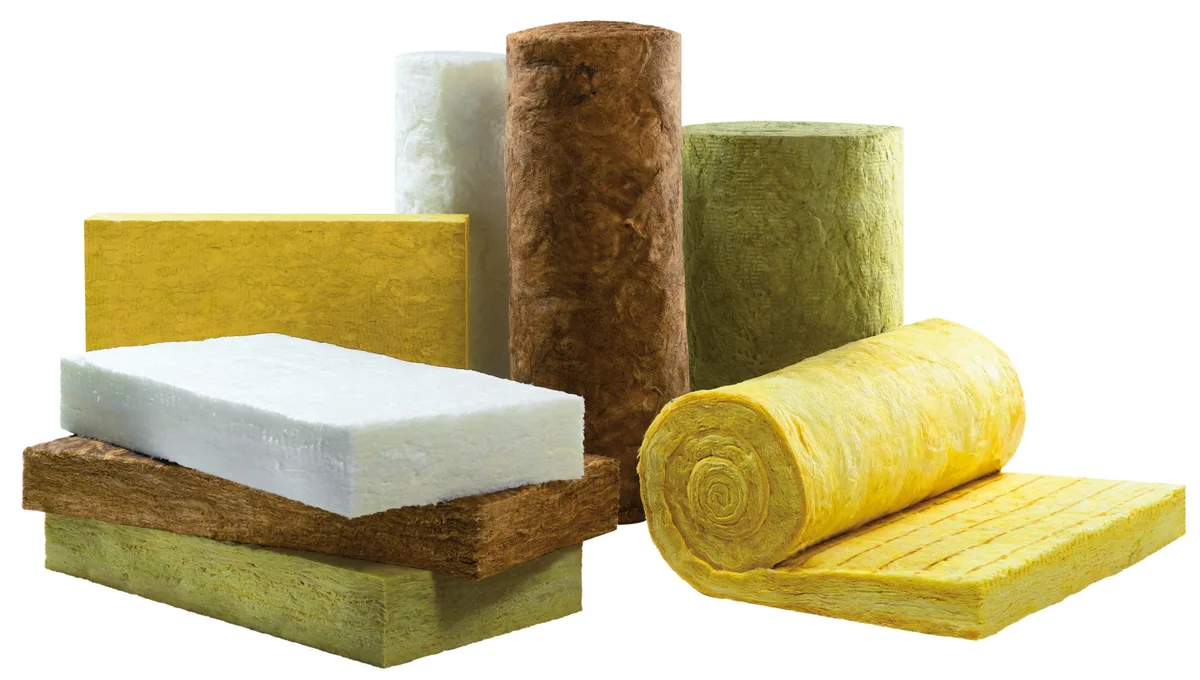
These programmes are members of ECO Platform, the European association that audits their rules. Its 22 established programmes totalled 33,009 EPDs on 1 July 2026, according to the sum of its counters. That scope is not that of the ECO Portal or of each programme's full catalogue, cited in our guide to the declarations. An EPD published by one of them carries the ECO EPD logo, which the association presents as recognised throughout Europe.
The right reflex is to ask the customer which database it reads, and in which tool it calculates. The answer points to the programme, and sometimes to a second registration for an EPD already published elsewhere.
2Who verifies the EPD, and how?
All programmes require third-party verification under ISO 14025 before the life cycle assessment is published as an EPD. They do not organise it in the same way:
- At the IBU, the programme chooses the verifier from its committee, not the manufacturer. It charges a flat fee for the verification, then publishes the EPD once it is validated.
- In the International EPD System, the manufacturer uses an individual approved verifier, an accredited certification body, a certification of its process or a pre-verified tool.
- At EPD-Global, the manufacturer chooses a verifier from the programme's list, approved for 3 years, and the programme recommends a written contract between them.
- For an FDES, the manufacturer chooses a verifier authorised by INIES, a person who did not work on the study, as detailed in our guide to choosing a verifier.
In every case, the verifier reviews the LCA that underpins the declaration: scope, data, scenarios and compliance with the category rules. This work is not a critical review of an LCA (in French), which assesses a study under ISO 14044 and whose price is covered separately (in French).
3Does an FDES count as an EPD outside France?
In substance, yes: an FDES is an EPD under EN 15804+A2, supplemented by the national complement NF EN 15804+A2/CN. It is the declaration that professionals in building eco-design in France read, and its indicators read like those of a foreign EPD. But 2 recent changes limit its reach.
INIES is no longer a member of ECO Platform
According to ECO Platform, the French HQE-GBC Alliance ended the membership of the INIES programme on 31 December 2024. INIES has been unable to publish ECO EPDs since 1 January 2025. FDES already published under this label keep it until the end of their validity. A recent FDES is therefore presented abroad without the ECO EPD logo, and its acceptance depends on the customer.
Of 22 ECO EPD programmes, PEP ecopassport is the only French one since 2025
Number of EPDs counted by ECO Platform for each established programme. 33,009 in total.
Recognition with the IBU is suspended
The IBU states that its mutual recognition with INIES covered version A1 of the standard. It has been suspended since the move to A2, because the French system sets requirements that call for a new verification in France. The IBU does keep agreements with EPD International, EPD-Global, BRE, EPD Italy, AENOR, the Danish programme and 2 North American programmes. According to the IBU, these agreements mainly serve to appear in the other programme's database, its EPDs being generally recognised throughout Europe.
Abroad, the accepted declaration is the one the customer finds in the database it consults.
To sell in Germany or Norway, the safest route therefore remains an EPD published in the programme of the target market, based on the same LCA, rather than an FDES submitted as it stands. Conversely, a foreign EPD does not replace an FDES for a calculation under RE2020, France's environmental regulation for new buildings. INIES does not re-verify modules A1 to A3 of an EPD issued by an ECO Platform programme. An authorised verifier checks the rest, as explained in our guide to the declarations.
4How much do these programmes cost, and how long do they take?
The programmes publish their registration fees, not always the verifier's price. The fee schedules in force on 17 October 2026:
- EPD International charges €1,000 for the first EPD of the year, €500 for each of the next 3, then an annual fee of €515 to €2,575 depending on the size of the company. The verifier is paid separately.
- The IBU charges €2,700 for the verification and processing of an EPD, verifier included, then €960 per year for the first valid EPD. The programme is reserved for its members.
- EPD-Global charges 3,500 Norwegian kroner per EPD each year, plus an annual membership of 3,500 to 13,000 kroner depending on turnover, and 30,000 for a group. The verifier is paid separately.
- INIES charges €220 excl. VAT to register an FDES, valid for 5 years. The authorised verifier is paid separately.
Over 5 years, only the IBU publishes an all-inclusive price: €7,500 for 1 declaration
Fee schedules published at 17 October 2026, added up over 5 years, the validity period of an EPD. Only the IBU includes the verifier.
Micro: fewer than 10 employees; SME: 10 to 249; large: 250 or more. EPD-Norge charges according to turnover: the SME and the large company are counted above 50 MNOK, or €4.7 million.
Excluding the LCA and, except at the IBU, the verifier's fees, which no programme publishes. Amounts rounded to the nearest ten euros.
An EPD already published can also be registered with a second programme that recognises it, at a fixed price: €500 from EPD International to the IBU, €285 to EPD-Global, according to their dual registration fee schedules. Neither of these 2 lists of programmes leads to INIES. EPD-Global does, however, open a bridge to PEP ecopassport, at €300.
On timing, only the IBU publishes a figure: 8 weeks of verification at best, but around 6 months in periods of high demand, according to its FAQ updated in August 2024. For an FDES, the lead times observed on published attestations are detailed in our article on choosing a verifier. The time needed for the LCA comes on top. Its price is detailed in how much an LCA costs, and some public funding schemes cover part of it.
5What pitfalls get an EPD refused abroad?
Before starting the study, 5 points decide whether the EPD will be accepted by the target programme:
- The transition to EN 15804+A2 ended on 31 October 2022 at EPD Italy, for example: a declaration still in version A1 does not have the same indicators and is valid only until the end of its 5 years.
- Each programme imposes its own category rules: a Norwegian insulation EPD follows the Norwegian rules for insulation, an International EPD System EPD follows the programme's rules for construction products, and the verifier checks those of its own programme.
- Some countries add national requirements: the IBU cites France, Italy, the Netherlands and the United States, where, for example, a verified recycled content or TRACI indicators must be declared.
- The IBU requires an EPD in English for it to be recognised in Norway or the United States, whereas an FDES is written in French.
- An EPD is valid only for the plants and the market it declares, like the one for an ISOVER insulation published for Romania in the International EPD System.
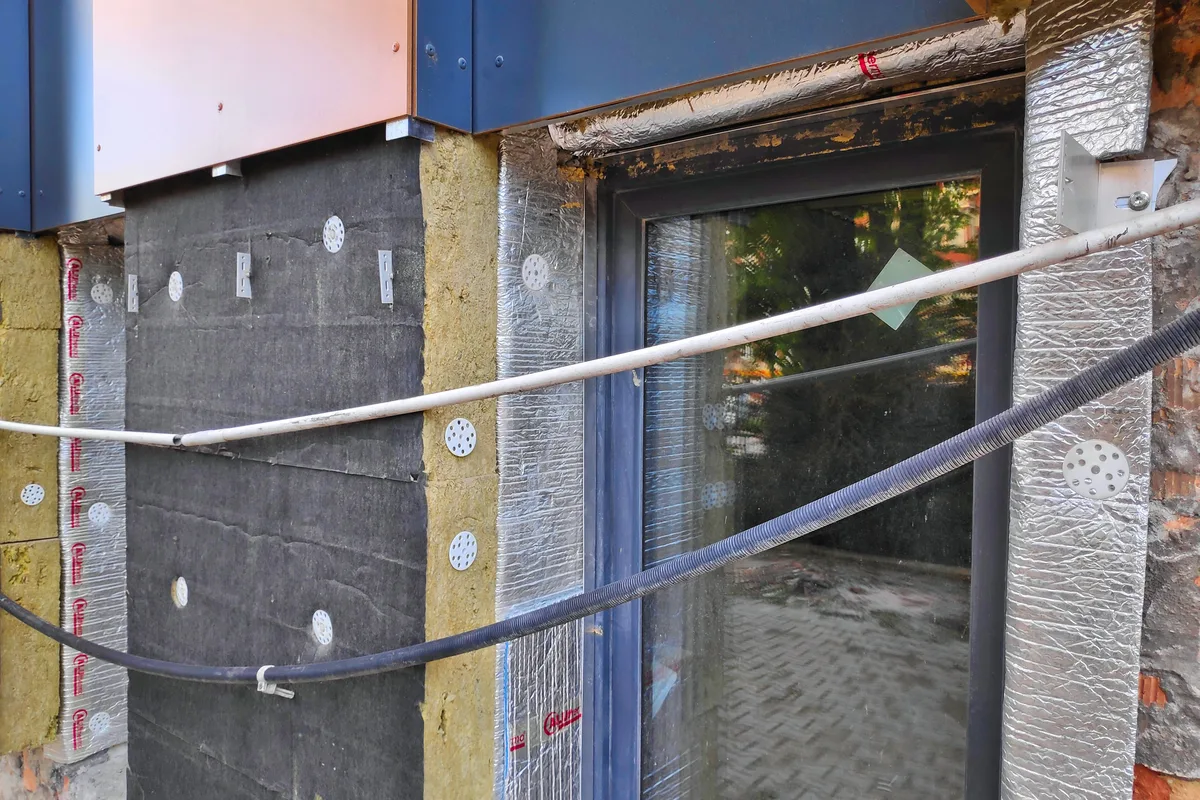
Generic data raise a similar problem. An LCA that uses a country's default data or a French electricity mix will often have to be redone for another market. The IBU also recommends deciding at the LCA stage whether the EPD will be recognised in another programme, so that the additional calculations are done in time. An LCA carried out with method keeps these assumptions readable, even on a small budget.
In our view at Projet Celsius, a single well-documented LCA, turned into as many EPDs as there are markets, costs less than 2 studies each carried out for one programme. It requires fixing the category rules, the language and the data of each target market from the outset. We carry out the LCA and prepare the file with the manufacturer. Verification falls to the verifier that the programme appoints or approves, in a separate organisation.
6Key takeaways
- Abroad, the customer expects an EPD under EN 15804+A2, verified under the rules of a programme it knows: International EPD System, IBU, EPD-Global, BRE or a national programme.
- Since 1 January 2025, INIES no longer publishes ECO EPDs: a recent FDES no longer carries the logo recognised by European programmes.
- Mutual recognition between the IBU and INIES has been suspended since the move to A2. An EPD in the programme of the target market remains the safe route.
- Published fees vary widely: €220 excl. VAT for an FDES at INIES, verifier extra, €2,700 for a verification at the IBU, verifier included.
- Standard, category rules, national requirements, language and geographical scope need checking before the LCA is started.
To decide between FDES, EPD and PEP, see also which declaration to publish and at what cost.
- ECO Platform, ECO EPD Programmes: 22 established programmes and their number of EPDs on 1 July 2026; end of INIES membership on 31 December 2024. Accessed on 17 October 2026.
- IBU, Mutual Recognitions; fee schedule of 12 August 2026; FAQ on verification and on lead time. Accessed on 17 October 2026.
- EPD International, Pricing, Dual registration and Verification. Accessed on 17 October 2026.
- EPD-Norge, fee schedule at 1 January 2025; EPD-Global, approved independent verifiers. Accessed on 17 October 2026.
- INIES, Our international action; Annex A of the programme rules, pricing conditions, December 2024 version (the document is in French). Accessed on 17 October 2026.
- EPD Italy, EPD: news from Europe, 21 May 2020, transition to EN 15804+A2.
- Cover pages cited, public documents with no link to Projet Celsius: FDES Sto-Panneau PS 15 SE, No. 20250544062, 23 July 2025; EPD ROCKWOOL Steinwolle, IBU, EPD-DRW-20240317-IBC3-DE; EPD ROCKWOOL Granulate Pro Plus, NEPD-11243-11187; EPD ISOVER PLE PLUS 100, S-P-08680.
- European Central Bank, euro reference exchange rates of 16 October 2026: €1 to 10.624 Norwegian kroner, used in the calculator.


