
- 1"DPP ready" is defined by no legal text: it is a sales argument used by suppliers.
- 2Only batteries have written passport rules, which apply from 18 February 2027.
- 3A label or a platform only settles the data carrier, 1 question out of 6.
- 4Readiness is checked product by product: text, role, data, data carrier, hosting, proof.
No European regulation defines a "DPP ready" status. The Ecodesign for Sustainable Products Regulation (ESPR) provides for a Digital Product Passport (DPP) product group by product group, whose content is set by a delegated act specific to each group. As of 12 November 2026, only one set of rules has been written, the one for batteries, which applies from 18 February 2027.
Digital Product Passport rules for each product
Choose your product: the text that covers it, its date and what you can already check.
Batteries Regulation 2023/1542, Article 77
18 February 2027, fixed date
4 questions out of 6 can be checked today
- 1. Text and date · checkable
- 2. Role · checkable
- 3. Data · checkable
- 4. Data carrier · checkable
- 5. Hosting · in part
- 6. Proof · in part
Still open: access rights by type of reader and the carbon footprint method.
As of 12 November 2026, only batteries have written passport rules. The other product groups await their delegated act.
Indicative dates from the Commission, which states that they may change. Grid of 6 questions: Projet Celsius, version 1.
Sources: Regulation (EU) 2023/1542, Art. 13 and 77; Regulation (EU) 2024/1781, Art. 4; European Commission, passport timeline, checked on 12 November 2026.
The word "ready" nonetheless circulates on labels and platforms, and customers are starting to ask their suppliers for it. For a given product, being ready comes down to answering 6 questions: which text and which date, which role, which data, which data carrier, which hosting, which proof. To find out first whether your product will have a passport, our 2-minute tool does the sorting.
1What does "DPP ready" mean?
The term appears in no European or French text. It comes from suppliers, and each one gives it the meaning of what it sells.
What suppliers offer
The 2 offers recorded on 11 November 2026 do not cover the same scope:
- A data carrier placed on the product. On an undated page, the label manufacturer SML presents "DPP-ready products": care labels with a printed QR code, woven labels, transfers and NFC chips.
- A complete offer. Avery Dennison announced ReadyDPP on 30 June 2026, in 3 tiers, which supplies the data carrier, hosts the garment's digital twin and gives access to a platform.
ReadyDPP and "DPP-ready products" are marketing terms: neither refers to a label or a certification. Avery Dennison's press release describes its offer as "a holistic route to DPP readiness", a path towards preparing for the passport.
2 offers presented as "DPP ready"
For each offer, its exact wording and the questions of the grid that it covers.
A data carrier
SML labels
Labels and RFID for apparel
"A snapshot of DPP-ready products from SML"
QR code labels, woven labels, transfers, NFC chips
undated page, checked on 11/11/2026
A complete offer
ReadyDPP, Avery Dennison
Labels, RFID and platform
"A holistic route to DPP readiness"
data carrier, hosting of the digital twin, platform, in 3 tiers
Neither covers the text, the role or the proof (questions 1, 2 and 6). ReadyDPP is a trade name; no certification is called "DPP ready".
Wording quoted as published. Coverage of the questions: Projet Celsius reading, 12 November 2026.
The passport in the Regulation
The ESPR requires a passport for each product, with a unique identifier, a data carrier on the product and information that is accurate, complete and up to date (Articles 9 to 13). The list of this information, the level of the passport (model, batch or item) and the conformity assessment procedure come from the delegated act for each product group. The EU digital product passport registry has been operating since 20 July 2026.
The only certification scheme envisaged concerns digital product passport service providers, the third parties that host the passport and its backup copy. The Commission may set it up where appropriate, through an act announced for 2027. No certification of companies or of their products is planned under the name "ready": a product's conformity is demonstrated through the procedure set by its delegated act.
2Which products already have passport rules?
As of 12 November 2026, only batteries. All the other product groups are waiting for a delegated act, which the Commission is scheduling from the end of 2026 to 2029.
The battery passport rules
Article 77 of the Batteries Regulation (EU) 2023/1542 requires a passport from 18 February 2027. It covers 3 categories: light means of transport batteries (e-bikes and e-scooters), industrial batteries above 2 kWh (kilowatt hours) and electric vehicle batteries. On the same date, all batteries carry a QR code (Article 13), which opens the passport for these 3 categories.
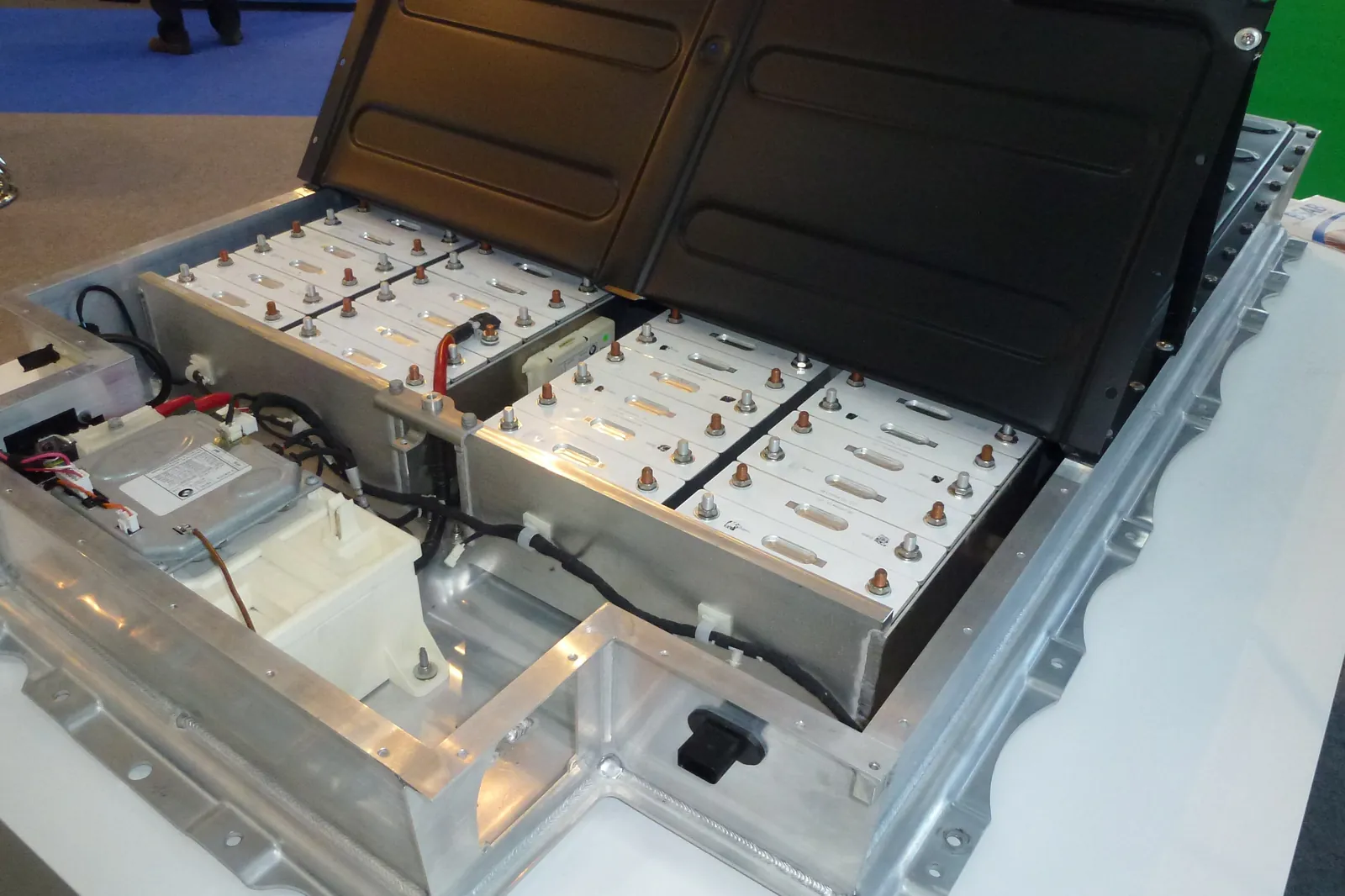
On 21 August 2026, the Commission published guidance on the battery passport data: 71 data points, each classified as mandatory, voluntary, conditional or not required in February 2027, category by category. No adopted text postpones the date, as our article on the February 2027 battery passport explains in detail.
The product groups awaiting their delegated act
For other products, the Commission publishes an indicative timeline for the adoption of the delegated acts, checked on 12 November 2026:
- Iron and steel: fourth quarter of 2026, the first passport delegated act expected under the ESPR.
- Textiles, aluminium and tyres: third and fourth quarters of 2027; by our calculation, the passport for clothing will not apply before mid-2029.
- Furniture in 2028, then mattresses in 2029, as set out in our article on the furniture passport.
Each act will apply no less than 18 months after its entry into force, except in justified cases (Article 4 of the ESPR). The timeline of ESPR delegated acts tracks these dates product group by product group.
For a product whose delegated act has not been adopted, no one can be ready yet: the list of data to provide does not exist.
3What must you check to be ready?
Our grid comes down to 6 questions, each with the proof that a customer or an authority may ask for. It applies product by product, and its version 1 is dated 12 November 2026.
The 6 questions to tell whether a product is ready
For each question, the proof that a customer or an authority may ask for, and who can provide it.
- 1Which text, and from when?Reference and article of the text, product category, date.The company
- 2What is my role?Manufacturer, importer or distributor, product by product.The company
- 3What data do I already have?For each data point: its source, its owner, the contract that requires it to be passed on.The company and its suppliers
- 4Which identifier, which data carrier?Standardised unique identifier, QR code, NFC chip or RFID, linked to the registry.Label supplier
- 5Who hosts the passport?Hosting contract, backup copy, planned exit.Platform and service provider
- 6What proof of conformity?Assessment module set by the act: internal control or notified body.The company, a notified body if the act requires one
4 questions out of 6 depend on no supplier of labels or platforms: the text, the role, the data and the proof.
Projet Celsius grid, version 1, 12 November 2026, based on Regulations (EU) 2024/1781 and 2023/1542.
The text, the date and the role
The first question names the text that covers the product and its date of application: an article of a regulation for a battery, a delegated act for the other product groups, or nothing yet. The proof is a written reference: number of the text, article, product category.
The second sets the company's role. The manufacturer makes the passport available, with its backup copy (Article 27 of the ESPR); the importer of a product manufactured outside the Union makes sure that it exists (Article 29); the distributor checks, before selling, that the product is linked to it (Article 30). A brand that has products made under its own name is the manufacturer within the meaning of the Regulation.
The data and who supplies it
The third question compares the data required with the data the company already holds. Some of it exists in-house (reference, composition, instructions), some of it at its suppliers (origin of materials, electricity of a site, recycled content). Environmental data calls for a method, which our article on calculating passport data describes.
The expected proof is a table: each data point, its source, its owner and the contract that requires it to be passed on. As long as the delegated act imposes nothing on suppliers, only the purchase contract makes them answer, as with the carbon data a customer asks for.
The data carrier, the hosting and the proof
The fourth question concerns the unique identifier and the data carrier: QR code, NFC chip or RFID tag, linked to the EU registry. In July 2026 the Commission recognised the first 6 standards for the passport (Implementing Decision (EU) 2026/1736), and announces the last 2 for November 2026.
The fifth asks who hosts the passport and its backup copy, which is entrusted to a digital product passport service provider. The sixth names the proof of conformity: the assessment module set by the delegated act, internal control by the manufacturer or the involvement of a notified body. How the roles are shared between these players is the subject of our article on choosing a passport provider.
Questions 1, 2, 3 and 6 depend on no supplier of labels or platforms. They require reading the texts and knowing your products, which no software does for the company.
4What do you check for a battery in 2027?
Batteries are the only case where the grid can be filled in completely. Take the 500 Wh (watt hour) battery of an e-bike, sold under its own brand by a French assembler using imported cells.
The data to gather before February 2027
For this battery, the grid gives the following answers:
- The text is Article 77 of Regulation 2023/1542: the battery falls under light means of transport and will have a passport on 18 February 2027.
- The assembler that sells under its own brand is the manufacturer, even if it buys the cells outside the Union.
- The data is that of Annex XIII, classified by the Commission guidance: one part public, another reserved for repairers, recyclers and authorities.
- The data carrier is the QR code required by Article 13, linked to a unique identifier for each battery.
- The hosting and its backup copy are still to be chosen, with the access rights that an implementing act announced for the end of 2026 is to specify.
- The proof depends on each requirement of the Regulation: the manufacturer's EU declaration of conformity, and a notified body for the carbon footprint, once its method is adopted.
The longest work concerns the third line. The chemical composition, the rated capacity, durability or the origin of materials often come from the cell manufacturer, and their transmission must be written into the contract. The LCA of an industrial battery and the carbon footprint of a battery show where this data comes from.
Testing your passport before the date
The research project BatteryPass-Ready, led by Fraunhofer IPK with more than 100 partners, opened a test environment on 24 June 2026. Its 11 scenarios check that a battery's data is complete for its category and that the passport responds to requests from other players. The EU registry has also offered a test environment since July 2026.
3 points remain open as of 12 November 2026: access rights by type of reader, the carbon footprint method and due diligence on raw materials. Without an adopted method, the carbon footprint declaration has no date; due diligence has been postponed to 18 August 2027. Our guide to the Batteries Regulation tracks these dates.
5Does a "DPP ready" label make you ready?
A label answers 1 question out of 6, the one about the data carrier. It says neither which text covers the product, nor who is accountable for the data, nor how the data will be proven.
A label applied before the delegated act
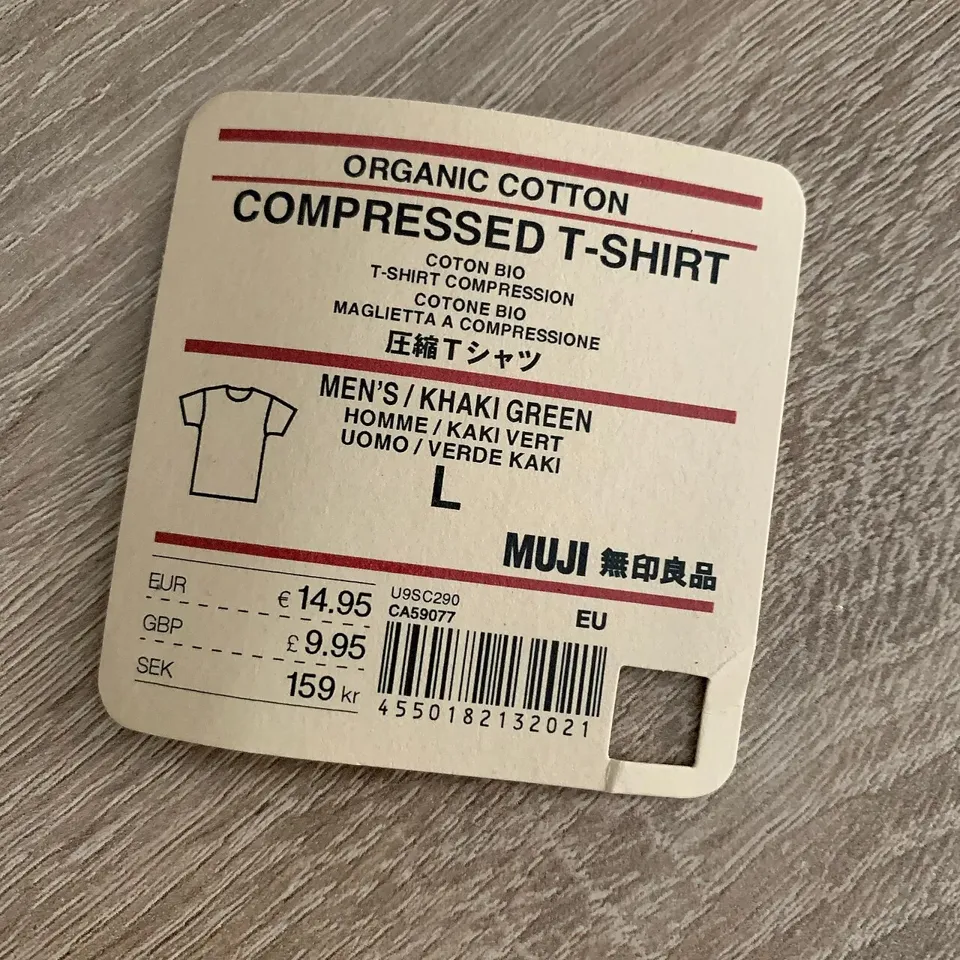
Before the delegated act, no one knows which data carrier, which identifier format or which location it will require. A QR code label or an RFID chip applied to a garment in 2026 may have to change when the textile act is adopted. The passport for a garment will not apply before mid-2029, according to our calculation set out in the article on the textile Digital Product Passport.
Some online offers go further than the texts. A software page checked on 11 November 2026 advertises a textile passport as "EU-certified", "100% EU-compliant" and mandatory "from 2026/27" (our translation). None of these 3 claims is accurate: the Union certifies no passport software, and no textile act has been adopted.
Questions to ask the supplier
Before signing, 4 written answers make it possible to assess an offer:
- Which identifier standard does the data carrier use, and will it be recognised by the EU registry without changing the label?
- How does the data leave the platform, in what format and at what cost, if the company changes provider?
- What changes in the contract if the delegated act requires another data carrier, another passport level or other data?
- What exact scope does the supplier commit to: data carrier, hosting, backup copy, or accuracy of the data?
6Can you display "DPP ready" on a product?
Towards consumers, the claim exposes the company to the EmpCo Directive. Between businesses, it remains possible if it is dated and tied to a published grid.
Towards consumers
The EmpCo Directive has applied since 27 September 2026 in the countries that have transposed it. It prohibits presenting as a distinctive feature a requirement imposed by law on all products in the category (point 10a of its blacklist). A passport required for all e-bike batteries sets none of them apart.
A "DPP ready" logo that reads as an environmental quality also falls under point 2a, which prohibits a sustainability label not based on a certification scheme, as our article on the in-house environmental logo explains. In France, the transposition law had not been passed at the end of October 2026. French law on misleading commercial practices already applies to companies that sell to consumers.
Between businesses
In a reply to a buyer, a file or a call for tenders, the claim remains useful if it states what has been checked, on what date and against which reference framework. A sentence such as "products run through the 6-question grid on 12 November 2026, questions 4 and 5 awaiting the delegated act" can be defended. "100% DPP ready" cannot, and the list of prohibited environmental claims shows the extent of the risk.
For us at Projet Celsius, being ready is a dated finding, product by product, against a published grid. It is shown to customers with its reservations and is not stuck on the packaging. We recommend starting with the 4 questions that depend on no supplier, and committing to a data carrier only once the product's delegated act has been adopted, except for batteries, where everything is already written.
7Key takeaways
- "DPP ready" is defined by no legal text: it is a sales argument, and no label and no certification bears this name.
- As of 12 November 2026, only batteries have written passport rules, which apply from 18 February 2027.
- Readiness is checked product by product, against 6 questions: text and date, role, data, data carrier, hosting and proof.
- A label or a platform only settles the data carrier, and a data carrier applied before the delegated act may have to change.
- Towards consumers, displaying "DPP ready" creates exposure under the EmpCo Directive; between businesses, the claim must be dated and justified.
The Digital Product Passport guide sets out the full timeline, and the article on the Digital Product Passport for clothing applies the grid to textiles.
- European Parliament and Council, Regulation (EU) 2024/1781 of 13 June 2024 establishing a framework for the setting of ecodesign requirements for sustainable products (ESPR), OJ L of 28 June 2024: Articles 4, 9 to 13 and 27.
- European Parliament and Council, Regulation (EU) 2023/1542 of 12 July 2023 concerning batteries and waste batteries, OJ L 191 of 28 July 2023: Articles 13 and 77, Annex XIII.
- European Parliament and Council, Directive (EU) 2024/825 of 28 February 2024 (EmpCo): Article 4, Annex I, points 2a and 10a.
- European Commission, "Digital Product Passport" page, indicative timeline and registry, consulted on 12 November 2026.
- European Commission, "Guidance to support preparations for the Digital Batteries Passport", 21 August 2026.
- European Commission, Ecodesign and Energy Labelling Working Plan 2025-2030, COM(2025) 187, 16 April 2025.
- Fraunhofer IPK, "BatteryPass-Ready launches test environment for digital battery passport", 24 June 2026.
- Avery Dennison, announcement of ReadyDPP, 30 June 2026; SML, "From tag to trust", page consulted on 11 November 2026.