
- 1ESPR (EU Regulation 2024/1781) has been in force since July 2024 for almost all goods.
- 2The DPP is a QR code whose content will be set by the delegated act, provisionally 6 categories: identification, composition, footprint, durability, repairability and end of life.
- 3Furniture delegated act expected in 2028, furniture DPP mandatory no earlier than 2029-2030.
- 4Much of the LCA data used for labelling already covers European DPP needs.
Imagine: you buy a sofa. You scan a QR code on the label. You instantly access everything: its constituent materials (foam, wood, steel, textile), the carbon footprint of its manufacturing, durability test results, spare parts available to repair it, and end-of-life recycling schemes. This is not science fiction - it is the digital product passport (DPP), and what the European ESPR Regulation could require for every piece of furniture sold in Europe by 2029-2030.
If you manufacture or import furniture, mattresses or bedding products, this article directly concerns you. ESPR (Ecodesign for Sustainable Products Regulation) has already been in force since July 2024. The sectoral delegated act for furniture is expected in 2028. The DPP will become mandatory at least 18 months later - no earlier than 2029-2030. This is not a distant issue: it is work to prepare now. We explain everything, from the regulation to practical actions.
1ESPR and DPP: what we mean in practice
Let us start with the acronyms, because they are hard to digest but unavoidable. ESPR (Ecodesign for Sustainable Products Regulation) is a European regulation published on 28 June 2024 as (EU) 2024/1781. It replaces the former Ecodesign Directive, which covered only energy-related products (refrigerators, light bulbs, boilers). ESPR extends the scope to almost all manufactured goods sold in Europe: furniture, mattresses, textiles, electronics, construction materials. This is a radical change of scale. Our regulatory eco-design guide details the complete architecture.
Regulation (EU) 2024/1781 - ESPR
Entered into force on 18 July 2024
Minimum durability, repairability and recyclability requirements
Delegated act 2026-2027Digital identity record: composition, LCA, traceability, end of life
18 months after delegated actRestrictions on flame retardants, VOCs, plasticisers
Gradual entry into forceThe DPP (Digital Product Passport, or passeport numérique produit in French) is ESPR's main instrument. It is a digital identity record attached to each product, accessible via a QR code printed on the furniture or its packaging. The DPP is not a static PDF document: it is a structured dataset, hosted online, accessible to consumers, repairers, recyclers and market surveillance authorities. It remains active throughout the product's lifespan. To learn more about how DPP works across all sectors, see our DPP guide for manufacturers.
In summary: ESPR sets the framework ("products sold in Europe must be eco-designed and traceable"). The DPP is the practical tool ("here is how you prove it: with a standardised digital passport"). Precise requirements - which criteria, thresholds and deadlines - arrive sector by sector through delegated acts. The furniture delegated act is being prepared.
2What the furniture DPP should contain: 6 data categories
This is the most concrete question for a manufacturer: what will have to go in this passport? The ESPR Regulation does not set this list: its Annex III lists possible information types, and the furniture delegated act will select those becoming mandatory. However, the aspects targeted by the regulation allow 6 data categories to be anticipated.
The furniture DPP: anatomy of the identity record
What every furniture item's digital passport will contain
PEF score, carbon footprint, water footprint, detailed LCA
Component list, origins, % recycled, % bio-based
Lifespan, available parts, disassembly instructions
Recycling scenario, EPR scheme, sorting instructions
The DPP will be accessible via QR code to consumers, recyclers, customs and the regulator.
- Identification: manufacturer, model, country of origin, batch or serial number. This is the simplest part - most manufacturers already have these data
- Material composition: materials used (wood, PU foam, steel, textile, adhesive...), hazardous substances (VOCs, flame retardants, plasticisers), and recycled content by material. This is where it gets complicated: many manufacturers do not know the exact composition of what their suppliers deliver
- Environmental footprint: LCA results on PEF indicators, environmental labelling score. This is the most complex data to produce and the heart of the passport
- Durability: results of standardised tests (NF EN 1957 for mattresses, NF EN 12520 for seats), expected lifespan, wear resistance
- Repairability: available spare parts and their availability period, disassembly instructions, access to repair information. The regulation explicitly encourages modular design
- End of life: recyclability by material, recovery schemes (Ecomaison for furniture), collection and sorting instructions
The essential point: the environmental footprint (LCA) is the DPP's centrepiece. Without LCA, the passport is an empty shell. LCA is also the most time-consuming data to produce (3 to 6 months for furniture, including 2 to 3 months of supplier collection). This is why manufacturers starting their LCA now - for the French environmental labelling under preparation - are actually building much of the European DPP's data foundation.
The DPP is a container. LCA is the content. Starting with DPP software without having undertaken the LCA is buying shelves before having books.

3What ESPR will require beyond the DPP
The DPP is ESPR's most visible aspect, but the regulation goes further. It creates three types of design requirements for furniture, imposed through the sectoral delegated act.
From regulation to mandatory DPP
6 milestones from 2024 to 2030+. Click to open the details.
Delegated act dates are indicative. Textiles have shown that deadlines can slip.
First, performance requirements: physical durability verified by standardised tests, repairability (spare parts available for X years after marketing ends), recyclability (design for disassembly, no irreversible bonding), and potentially minimum recycled content by material. A mattress with bonded layers will be harder to bring into compliance than a mattress with zipped layers - the same logic as the LCA score.
Next, substance restrictions: brominated flame retardants, certain VOCs in foams and adhesives, plasticisers. ESPR goes beyond REACH by specifically targeting substances compromising recyclability. If your foam contains a flame retardant making chemical recycling impossible, ESPR could prohibit it.
Finally, a central European registry: every manufacturer or importer will have to declare its products before placing them on the European market. The DPP is more than a QR code on a box - it is data infrastructure requiring hosting, continuous updating and compliance with a standardised format. Many SMEs underestimate this point.

4Batteries have shown the way: experience explaining everything
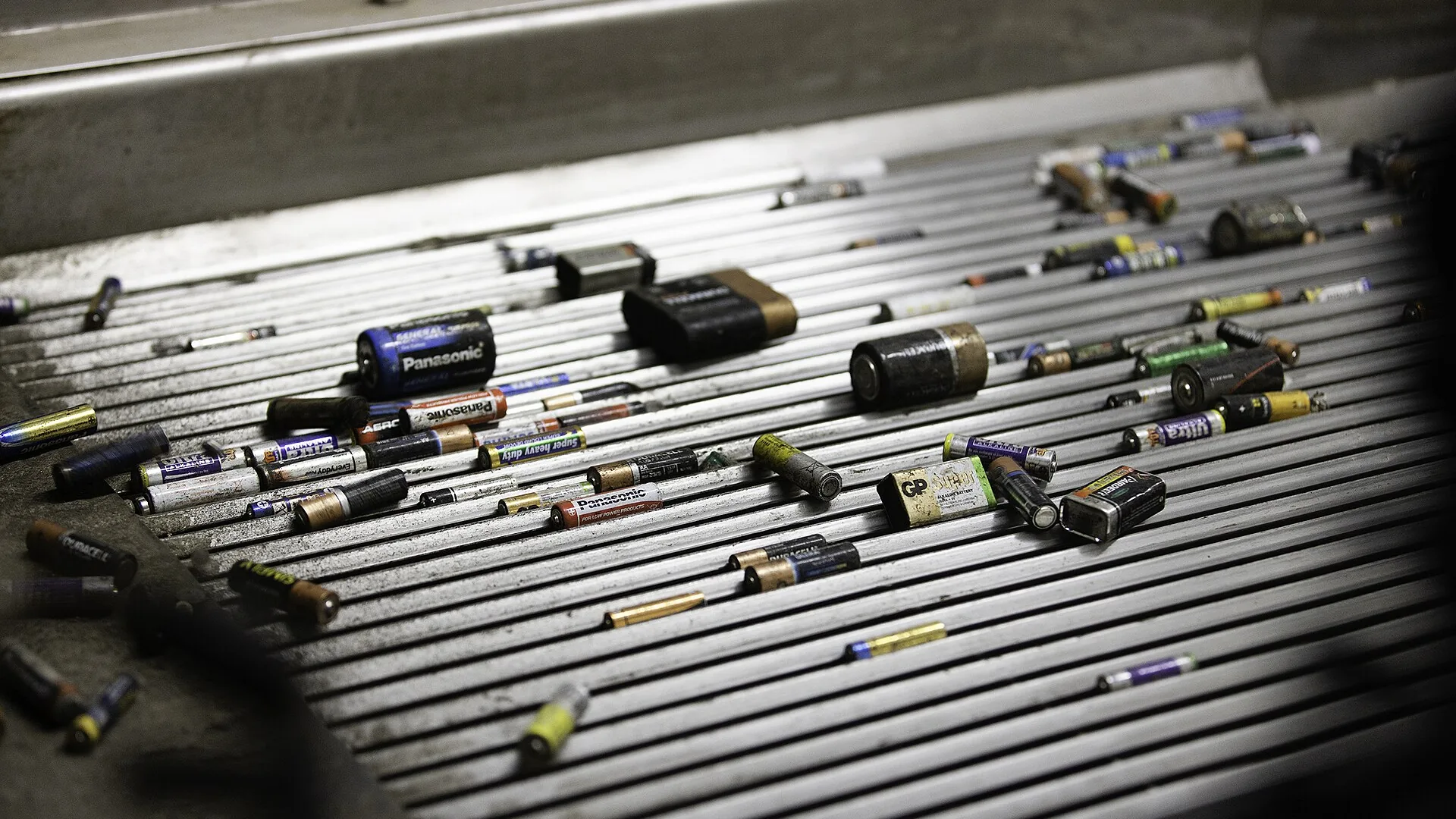
The DPP is not a theoretical concept - it already exists for batteries. The Batteries Regulation (EU) 2023/1542 preceded ESPR and serves as a test bed. The carbon footprint declaration (JRC CFB-EV rules) is expected in mid-2027 (12 months after adoption of the methodological delegated act, still awaited on 20 July 2026). The full battery DPP enters into force on 18 February 2027. Lessons from this rollout are directly transferable to furniture. Here are the three key findings.
Three schemes, a single dataset
The same LCA investment prepares for the 3 schemes
A manufacturer launching its LCA now prepares for all three deadlines simultaneously.
- The bottleneck is supplier collection, rather than DPP software. Battery manufacturers choosing their IT platform before structuring their data ended up with an empty tool and a 6-month delay
- Generic data are not enough. The DPP requires granularity that average databases do not provide - product-specific data are needed, supplier by supplier
- Early movers define standards. Manufacturers participating in pilots influenced the DPP format and acquired a lasting competitive advantage
For a furniture manufacturer, the parallel is striking. You source from 15 to 30 suppliers across France, Italy, Turkey, China and South-East Asia. To feed the DPP, you will need each material's exact composition, production environmental data and traceability information. Battery experience is a free instruction manual - it would be a shame not to use it.
5The timetable: when it arrives
ESPR works in waves. The framework regulation is in force, but concrete requirements arrive sector by sector through delegated acts. For furniture, here is the overall picture.
The data pyramid: what to collect
From raw data to a usable deliverable
Software (Ecobalyse, Eco-meuble) = 10% of the effort. The real work: obtaining supply chain data.
- July 2024: ESPR Regulation (EU) 2024/1781 enters into force. The framework is set
- 2025-2026: stakeholder consultation and preparation of the furniture delegated act by the JRC (the European Commission's Joint Research Centre)
- 2028: expected adoption of the delegated act setting furniture-specific requirements: durability criteria, substance thresholds, DPP format, application timetable
- At least 18 months after adoption: furniture DPP application - no earlier than 2029-2030
- End of 2026, in parallel: first proposed method for French environmental labelling, with no text making it mandatory to date
- February 2027: the battery DPP will already be in force, serving as the operational reference for all other sectors
The point to watch: manufacturers waiting for publication of the delegated act before moving will have 18 months to do three years' work. Product LCA takes 3 to 6 months. Structuring supplier data takes 6 to 12 months. Adapting design (disassembly, recycled content) takes one to two product cycles. All this cannot be compressed into an 18-month sprint.

6French labelling + European DPP + Ecomaison EPR: a single dataset
This is the most powerful argument for acting now, and also the most counterintuitive: three distinct regulations, from three different legislators, converge on the same product data between 2027 and 2030.
How to anticipate without waiting for the delegated act
4 practical actions to launch now
Identify what you already have (supplier sheets, certificates) and what is missing
LCA for French labelling = 80% of DPP data
Lasting supplier collection system (not a one-off)
Follow JRC publications and public consultations
Manufacturers waiting for the delegated act before moving will have 18 months to do 3 years' work.
- Environmental labelling (France, method expected at the end of 2026): score visible in shops and online, calculated using 16 PEF indicators + durability coefficient. Source = official method under construction in Ecobalyse, fed by product LCA data
- The DPP (Europe, 2029-2030 at the earliest): digital identity record incorporating LCA, composition, durability, repairability and the end-of-life scenario. Source = the same LCA data + additional traceability and design data
- Ecomaison EPR (France, ongoing): EPR fee adjusted according to eco-design. Ecomaison collects 3.5 million bedding products per year, with a target of 70% material recycling by 2027. Eco-design data feed contribution adjustments
A manufacturer undertaking its product LCA now prepares for all three deadlines simultaneously. Material composition, geographical origins, manufacturing processes, end-of-life scenario - these data are collected once and feed all three frameworks. It is a single investment for three areas of compliance. This is what makes the current timing so favourable: every euro and hour invested in LCA serves three times.
Labelling under preparation, DPP 2029-2030, Ecomaison EPR: three frameworks, three legislators, a single dataset. A manufacturer launching its LCA now covers all three in a single operation.
7Where to start (without waiting for the delegated act)
The path is known, tools exist and funding is available. Here are four actions to launch now, even without knowing the delegated act's exact specifications.
Action 1 - Audit your data
Start with an inventory of what you already have: material technical sheets, supplier certificates, test results, composition data. Then identify what is missing. The exercise takes one to two weeks internally and almost always reveals the same thing: internal data (manufacturing, assembly) are 80% available. Supplier data (composition, processes, traceability) are 20% available. This asymmetry needs addressing.
Action 2 - Launch LCA for your bestsellers
Product LCA is the puzzle's centrepiece. Allow €10,000 to €18,000 excl. VAT for a complete LCA, with 60 to 70% funded by Bpifrance Diag Éco-conception. Amount payable for an SME: €5,400 to €7,200 excl. VAT. An LCA produced for French labelling covers much of the data required by the DPP. It is the best possible investment in terms of cost relative to regulatory coverage. Start with your bestseller - the method is the same as for mattress LCA.
Action 3 - Structure supplier collection
This is the longest and most underestimated task. Send a standardised template to your suppliers now, rather than when the delegated act is published. Request: exact composition of supplied materials, geographical origin, manufacturing process, energy consumption and any certifications. Your French suppliers will reply in 2 weeks. Your Turkish suppliers in 2 months. Your Asian suppliers... you may have to follow up three times. But every specific datum obtained makes the score representative and avoids unfavourable default values.
Action 4 - Anticipate design
The DPP will make visible what was invisible: disassembly, recycled content and substances. Manufacturers incorporating these criteria into their next product development cycles - rather than existing products - will reach the DPP deadline with a naturally compliant portfolio. In practice: favour mechanical assemblies over bonding, document spare parts, increase recycled content and trace sensitive substances. Eco-design is not an additional cost when incorporated from the design stage.
8Key takeaways
ESPR has been in force since July 2024. The furniture delegated act is expected in 2028. The furniture DPP will not be mandatory before 2029-2030. This is not a distant issue - it is work to prepare now, using the same data as French environmental labelling.
- Product LCA is the DPP's centrepiece - without it, the passport is an empty shell. Data collected for French labelling cover much of the DPP's needs
- The DPP should contain 6 data categories, to be confirmed by the delegated act: identification, composition, environmental footprint, durability, repairability and end of life. Bpifrance Diag Éco-conception funds 60 to 70% of the first LCA
- Batteries showed that the bottleneck is supplier collection, rather than software. Start sending supplier templates now
- Waiting for the delegated act means having 18 months to do 3 years' work, with providers fully booked. Manufacturers moving now will have a structural advantage
Sources: Regulation (EU) 2024/1781 (ESPR), Regulation (EU) 2023/1542 (batteries), ADEME BP X30-323 standards, Ecomaison 2024 annual report, JRC furniture consultation.