
- 1Applicable since July 2026, the European directive requires manufacturers to repair outside warranty.
- 2The obligation lasts as long as parts availability: 5 to 10 years.
- 3In France, the obligation awaits legislation; parts rules already apply.
- 4Organise the service, publish indicative prices and design products that can be disassembled.
The European directive on the repair of goods, which Member States have been required to apply since 31 July 2026, requires manufacturers of washing machines, refrigerators, televisions, smartphones and 7 other product families to repair outside warranty, at a reasonable price, for as long as their spare parts must remain available: 5 to 10 years depending on the product. It prohibits them from refusing a repair because an independent repairer has already worked on the appliance, or from blocking the use of compatible or second-hand parts.
The 11 product families to repair, and for how long
The obligation lasts as long as parts availability required by the ecodesign regulation, counted from the last unit placed on the market.
In France, this right to repair is still awaiting its transposing legislation, and the European Commission sent France a letter of formal notice on 25 September 2026, along with 17 other States. This delay does not exempt manufacturers from preparing: the product list, spare-parts periods and ban on obstructing repair already follow from directly applicable European regulations and the Consumer Code.
1What is the European right to repair?
The right to repair brings together European rules making repair simpler and more advantageous than replacement. Its central component is Directive (EU) 2024/1799 of 13 June 2024, which operates before and after the statutory guarantee expires.
When presenting its proposal, the Commission quantified the issue: each year in the Union, goods discarded while still repairable account for 35 million tonnes of waste, 30 million tonnes of resources consumed and 261 million tCO2e of emissions, and consumers lose nearly €12 billion by replacing rather than repairing.
During the statutory guarantee: 12 extra months if the product is repaired
When a defect is covered by the statutory guarantee of conformity and the consumer chooses repair rather than replacement, the directive extends the guarantee once by 12 months, for the whole product. The seller must inform the consumer of this right before carrying out the work, and may lend them an appliance free of charge during the repair. The directive reserves this extension for contracts concluded from 31 July 2026; in France, where it awaits transposition, it will replace the 6-month extension currently provided by the Consumer Code.
After the guarantee: a repair obligation for manufacturers
The main new requirement applies once the guarantee has expired, or for a defect it does not cover, such as a drop. The consumer can then require the manufacturer to repair the product if it belongs to a family subject to European repairability requirements. Repair may be free or charged for, and the manufacturer can refuse it only if it is physically or legally impossible: the cost of parts is not sufficient grounds for refusal.
A service obligation based on ecodesign regulations
The directive does not specify how to design a repairable product. The ecodesign regulations, adopted product by product since 2019 and subsequently under the European Ecodesign for Sustainable Products Regulation, require spare parts for a minimum period, disassembly with commonly available tools and repairers' access to instructions. The directive turns this technical repairability into a service obligation, and this relationship determines both the product list and the duration of the obligation.
2The 11 product families manufacturers must repair
The obligation concerns only products in Annex II to the directive, which lists European texts imposing repairability requirements. The list contained 10 families when the text was adopted; Delegated Directive (EU) 2026/74, published on 20 April 2026, added domestic local space heaters.
- Large household appliances: washing machines and washer-dryers, tumble dryers, dishwashers, refrigerators, freezers and wine storage appliances.
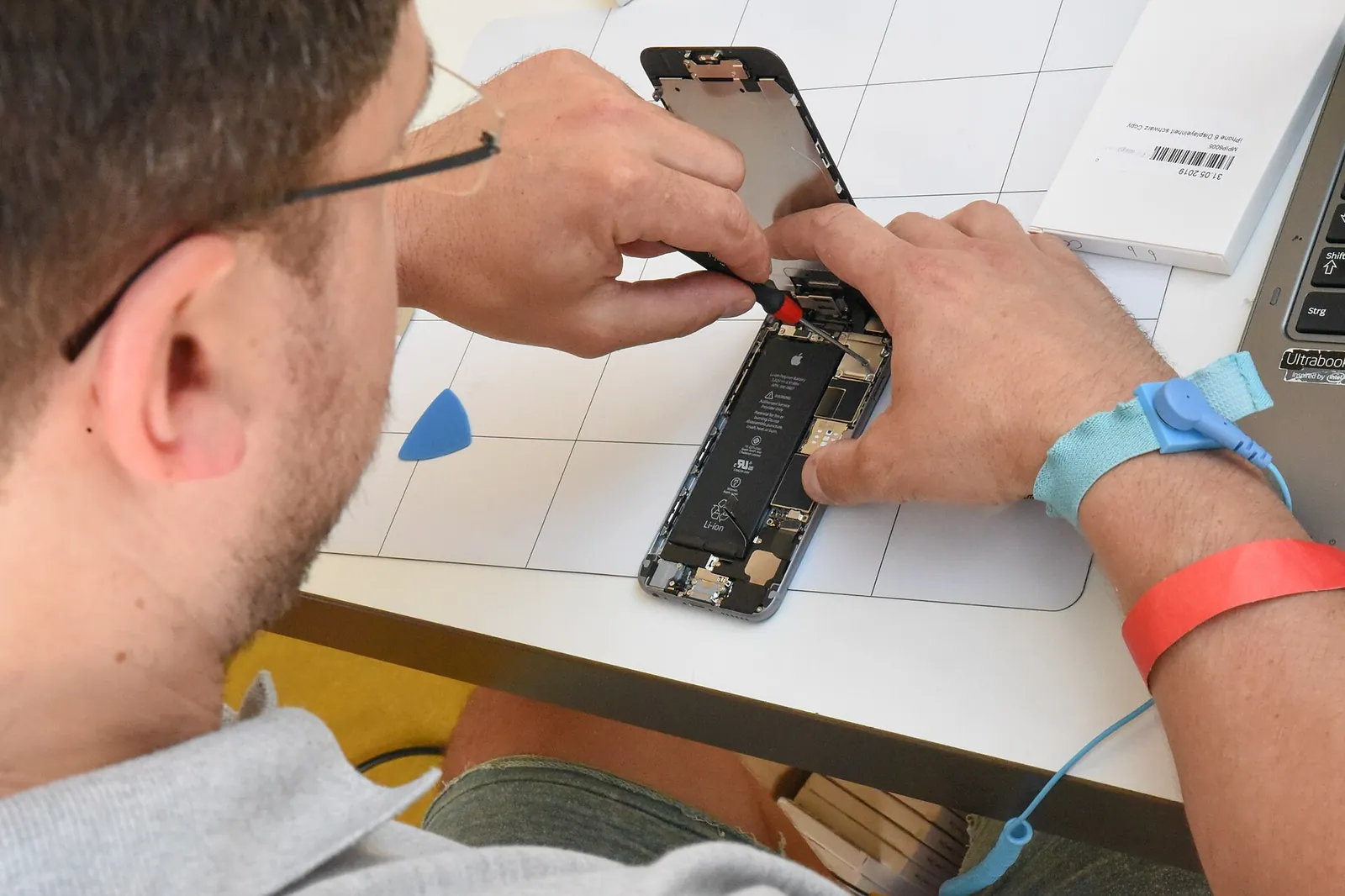
- Displays and devices: televisions and monitors, smartphones, mobile and cordless phones, tablets.
- Other electrical equipment: vacuum cleaners, welding equipment, servers and data storage products.
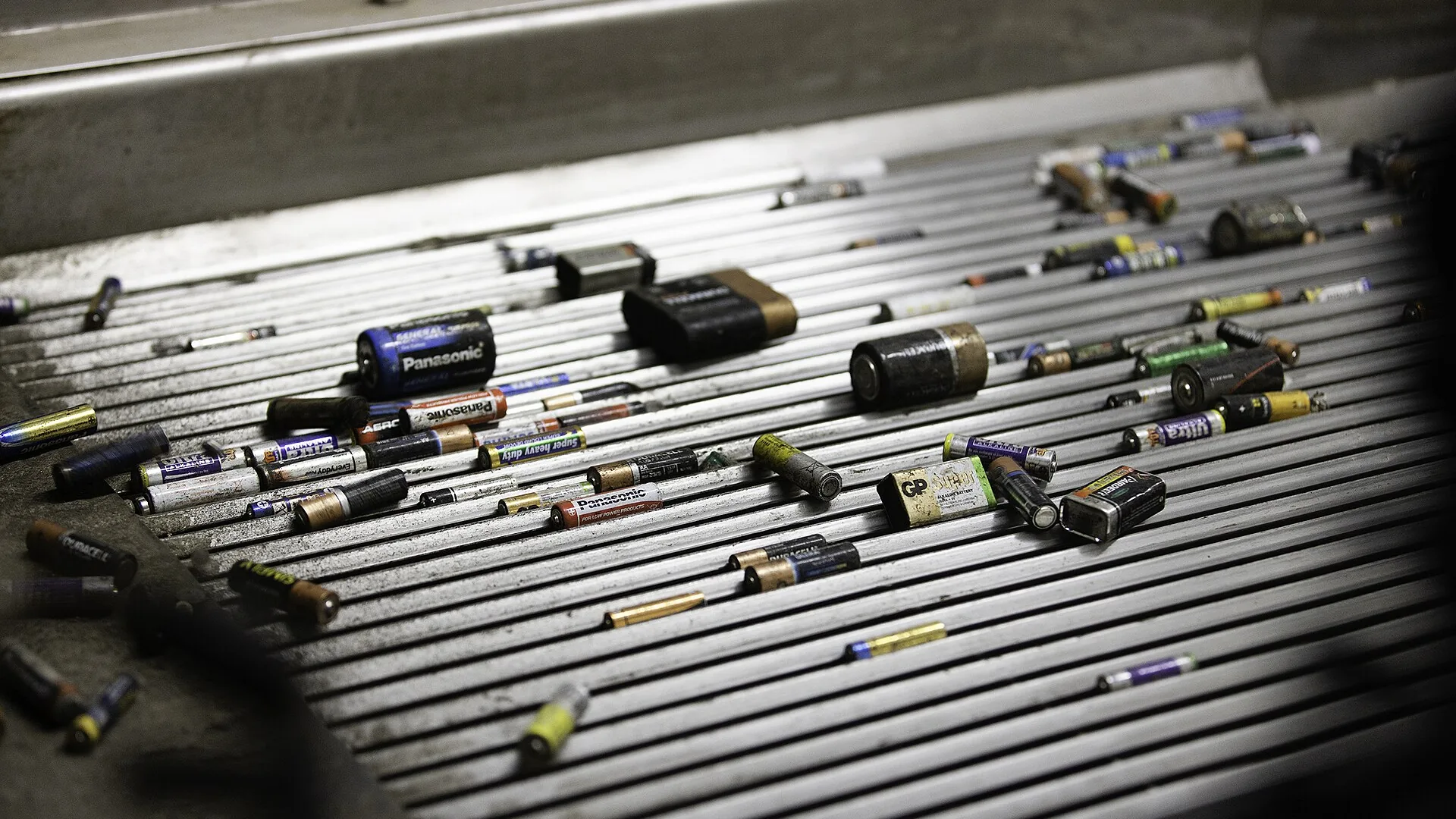
- Light mobility: electric bicycles and scooters, for their batteries.
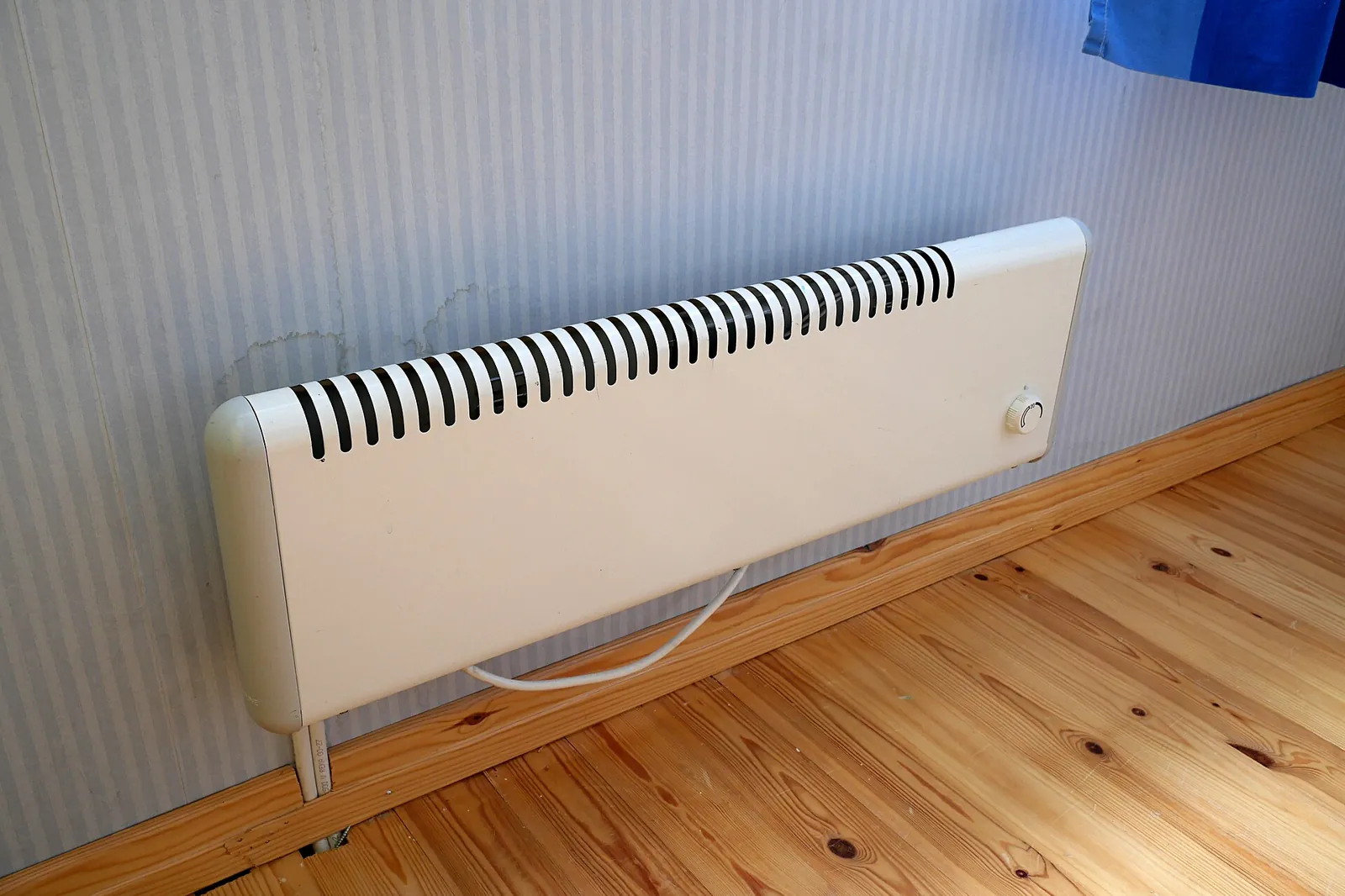
- Supplementary and local space heating: electric radiators and convectors, gas or oil appliances up to 50 kW.
The obligation applies only to goods bought by a consumer: a manufacturer selling exclusively to professionals, for example servers, is not required to repair under the directive, as confirmed by the Commission's questions and answers. It does, however, concern manufacturers established outside the Union whose products are sold on the European market.
A duration aligned with spare-parts availability
The manufacturer must repair for as long as the regulation for its product requires it to supply spare parts, for defects affecting those parts: 10 years after the last unit is placed on the market for a washing machine, 7 years for a smartphone or television. The Commission summarises the overall range as 5 to 10 years, and specifies that the obligation also applies to appliances bought before 31 July 2026.
The arrangements are specific for 2 families. The vacuum cleaner regulation does not set any spare-parts period, only durability requirements, including a motor lifetime of at least 500 hours, making the scope of the obligation difficult to determine. For electric bicycles and scooters, the battery replaceable by an independent professional and available for 5 years as a spare part is required only from 18 February 2027, as explained in our article on removable batteries and our guide to the European Batteries Regulation.
3Repairing at a reasonable price, without obstructing independent repairers
Article 5 of the directive sets repair conditions and governs how the manufacturer manages its parts, software and relationships with other repairers. It sets no tariff: the manufacturer must develop an offer that meets these requirements.
A reasonable price and timeframe
Repair must be carried out within a reasonable time, free of charge or at a reasonable price, which the directive defines by its effect: it must not deter the consumer from requesting it. This price may cover labour, parts, the workshop and a customary margin. The manufacturer may subcontract repair to a workshop near the customer while remaining responsible, lend an appliance during the work and offer a refurbished product if repair proves impossible.
Published indicative prices, parts sold at a reasonable price
The manufacturer must publish indicative prices for its typical repairs on a freely accessible website, and provide information on its services free of charge throughout the obligation period, for example through the digital product passport. The parts and tools it sells for these products, whether mandatory or otherwise, must also be offered at a price that does not discourage repair.
The path of an out-of-warranty repair request
Who must respond to the consumer, and on what conditions, for an Annex II product.
The request
A consumer reports a breakdown
Expired guarantee or uncovered defect, on a product bought before or after 31 July 2026.
Who must repair
The manufacturer
It may subcontract repair to a workshop near the customer, but remains responsible for the obligation.
Repair conditions
In all cases, throughout the obligation period
Compatible, second-hand or 3D-printed parts
The manufacturer may use no contractual clause or hardware or software technique that obstructs repair, unless justified by legitimate and objective reasons such as intellectual property protection. It may not prevent an independent repairer from using original, second-hand, compatible or 3D-printed parts compliant with applicable law, or refuse repair solely because a third party or the customer themselves has already worked on the appliance.
The manufacturer may refuse a repair only if it is impossible: neither the cost of parts nor previous work by an independent repairer constitutes valid grounds.
Smartphones and tablets follow a specific rule for some of their parts. Their ecodesign regulation allows software pairing of a part to the device, for example the screen or cameras, provided that professional repairers, and individuals for certain parts, receive non-discriminatory access to the tools that restore all functions. For these parts, the Commission gives these specific rules precedence over the directive.
Manufacturer outside the Union: the authorised representative, then the importer
When the manufacturer is established outside the Union, the obligation passes to its authorised representative in the Union, failing that to the importer, and as a last resort to the distributor. An importer of vacuum cleaners or televisions, or a retailer buying directly from an Asian manufacturer, may therefore have to organise repairs for brands it does not manufacture, just as it already bears the EPR obligations for these products.
4European form and platform: 2 optional tools for repairers
To help consumers compare offers, the directive creates a standardised quotation and an online platform, open to any repairer, manufacturer, seller or independent operator. Neither of the 2 is mandatory, but the quotation binds whoever provides it.
The European Repair Information Form
The European Repair Information Form follows the template in Annex I to the directive. It states the repairer's identity, the defect, the type of repair, the price or its maximum, the timeframe, the availability of a replacement appliance and the drop-off location.
It is provided free of charge, except for diagnosis, which may be charged for if the customer is informed beforehand. Its conditions are fixed for 30 days: if the customer accepts them, the repairer must repair on the stated terms. A complete form also constitutes compliance with pre-contractual information obligations.
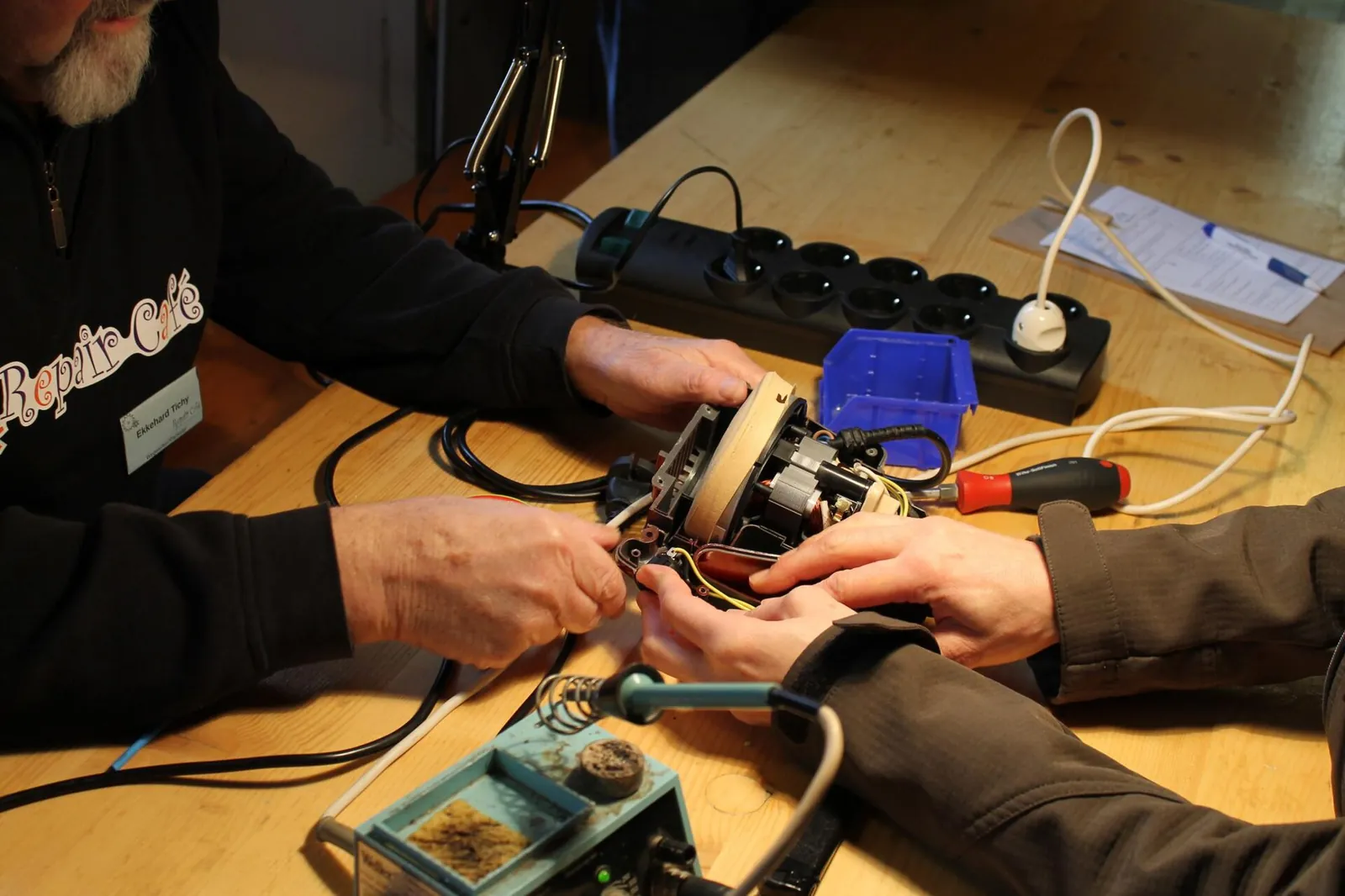
The European online platform for repair
The Commission must create the common interface of a European platform by 31 July 2027 at the latest, where consumers will find repairers and, depending on the State, sellers of refurbished products or participatory repair initiatives; it announces its launch in January 2028. Access will be free, registration voluntary for repairers, and a State with a national platform covering its whole territory will be able to connect it to the European system.
5Right to repair in France: where does transposition stand?
France did not transpose the directive by the scheduled date of 31 July 2026. For a manufacturer, the practical question is to distinguish what is already binding from what awaits legislation.
A letter of formal notice on 25 September 2026
As at 28 September 2026, no transposing legislation has been published. On 10 September, service-public.fr stated that work was underway, and the bill adapting French law to Union law adopted by the Senate in February 2026, which transposes the EmpCo directive, does not contain these provisions.
On 25 September 2026, the Commission sent a letter of formal notice to France and 17 other States for failure to transpose the directive and its delegated directive (decision of 25 September 2026). States have 2 months to respond before a possible reasoned opinion. The 9 other States, including Germany and Austria, have notified full transposition: a manufacturer selling its products there must already comply with their national law.
Under settled case-law of the Court of Justice of the European Union, an untransposed directive cannot, by itself, create obligations for an individual, including a business. Until the law is passed, the obligation to repair outside warranty and the 12-month extension are therefore not enforceable against manufacturers in France, and the courts are required only to interpret existing law in the light of the directive. As the text provides for maximum harmonisation, French law will reproduce the European product list and periods without being able to change them.
What already applies in France, and what awaits transposing legislation
Situation as at 28 September 2026 for a manufacturer or importer of Annex II products.
Already applicable
- Spare parts: periods, delivery times, instructionsDirectly applicable ecodesign regulations
- Information on parts and delivery within 15 working daysConsumer Code, Art. L. 111-4
- Ban on barriers to repair, including softwareArt. L. 441-3 and L. 441-4; up to €300,000 or 5% of turnover
- Repairability and durability indices, smartphone classes A to EEnvironmental Code, Art. L. 541-9-2; Regulation (EU) 2023/1669
- 6 extra months of statutory guarantee after repairConsumer Code, Art. L. 217-13
- Repair bonus deducted from the billEnvironmental Code, Art. L. 541-10-4
Awaiting French legislation
- Obligation to repair outside warranty at a reasonable priceDirective 2024/1799, Art. 5
- Published indicative prices, parts and tools at a reasonable priceArt. 5, paragraphs 4 and 5
- 12 extra months of guarantee if the customer chooses repairArt. 16, contracts concluded since 31 July 2026
- European Repair Information FormArt. 4 and Annex I
- Penalties specific to the directiveArt. 15
- French section of the European platformArt. 7 and 9; common interface by 31 July 2027
What already applies
Most technical obligations are nevertheless in force. The ecodesign regulations are directly applicable: spare-parts availability periods, delivery times and repairers' access to instructions already bind anyone placing products on the market. The Consumer Code (Article L. 111-4) also requires the manufacturer to provide information on parts availability and, during the announced period, to deliver them within 15 working days to repairers, whether authorised or not.
Since the 2020 anti-waste law, the same code has prohibited any technique, including software, intended to make repair impossible outside authorised networks (Article L. 441-3), as well as agreements limiting repairers' access to parts, instructions or software. These offences, like planned obsolescence, are punishable by 2 years' imprisonment and a €300,000 fine, which may be increased to 5% of average annual turnover.
Repairability indices and repair bonus
France also has its own tools. The repairability index, a score out of 10 displayed in shops and online, still covers 5 categories according to the ministry: laptops, electric lawnmowers, dishwashers, vacuum cleaners and pressure washers. The durability index, which adds reliability criteria, replaced it for televisions and washing machines in 2025. Smartphones and tablets placed on the market since 20 June 2025 display a repairability class from A to E on the European energy label.
For consumers, the repair bonus, financed by the producer responsibility organisations' repair funds, has supported about 1.5 million repairs since December 2022. Under the ADEME schedule updated on 24 August 2026, it deducts €50 from a washing machine or dishwasher bill, €60 for a television and €25 for a smartphone. The directive cites this type of fund among the measures to promote repair that each State must adopt.
6Keeping a smartphone for 2 extra years cuts its annual footprint by 44%
For a manufacturer, repairability becomes a measurable design parameter: by extending the product's life, it spreads the impact of manufacture over more years of use.
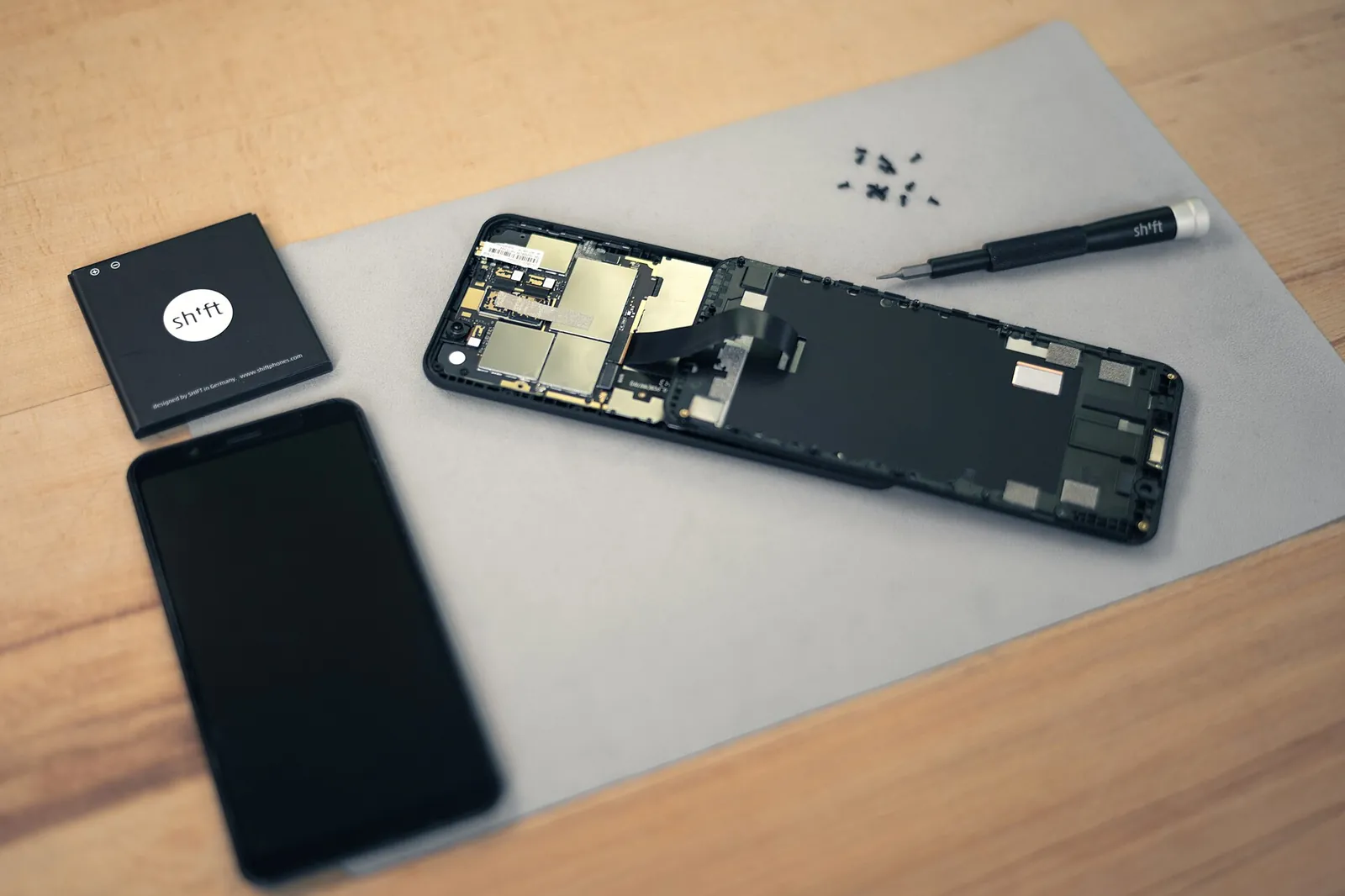
Lifetime, a key variable in life cycle assessment
A life cycle assessment relates a product's impacts to a service provided, the functional unit, for example "washing a household's laundry for one year". If repair extends the period of use from 10 to 12 years, the manufacturing impact is spread over 12 years rather than 10, and the annual footprint falls all the more when manufacture accounts for a large share of the total.
This reasoning makes it possible to compare 2 designs: an appliance with a higher manufacturing impact but that can be repaired may outperform a lighter model discarded at its first breakdown. The assumed lifetime therefore weighs heavily in any product footprint, whether it follows a conventional LCA or the PEF method or the calculation rules for a digital passport.
What ADEME's data show
We repeated the calculation using ADEME's public data (Impact CO2), which provide the manufacturing, use and end-of-life footprints and a reference lifetime for each appliance. For a smartphone, manufacture, including distribution, accounts for 99% of the footprint: keeping it for 4.5 years rather than 2.5 cuts its annual footprint by 44%, from 32 to 18 kgCO2e per year.
How much a repair removes from an appliance's annual footprint
Choose an appliance and the number of extra years of life gained through repair: the manufacturing impact is spread over more years of use.
Footprint per year of use
-44 %
Manufacture and distribution: 99 % of the footprint over the reference lifetime. The higher this share, the more each extra year of life matters.
For a washing machine, whose use accounts for more than 40% of the total, 2 extra years on top of 12 save only 8%. The greatest potential is in electronics, whose impact is concentrated in manufacture, as our article on the carbon footprint of digital technology shows. In France, where electricity has a low carbon intensity, manufacture accounts for 76% of a refrigerator's footprint.
The calculation gives an order of magnitude: it includes neither the impact of the replacement part nor travel to the workshop, and assumes that the repaired appliance is not replaced with a substantially more efficient model. Nevertheless, it is enough to prioritise ecodesign efforts, product by product.
7Where should a manufacturer or importer start?
As the product list and periods are set at European level, preparation need not wait for French legislation, and starts with a precise inventory of the models concerned.
- Inventory the models concerned: for each Annex II product, the date the last unit was placed on the market and its regulation's spare-parts period determine when the repair obligation ends.
- Organise the repair service: an in-house workshop, authorised network or subcontractors, achievable timeframes, loan appliances and a refurbishment route for cases where repair fails.
- Set and publish indicative prices for typical repairs, and review parts and tool prices against the reasonable-price criterion.
- Audit barriers: network clauses, software pairing, refusals linked to previous work. At the same time, review durability claims: the EmpCo directive's blacklist covers a product presented as repairable when it is not, among other prohibited claims, and every promise must be capable of being substantiated.
- Integrate repairability into ecodesign: disassembly, parts standardisation and instructions, measured through an LCA of flagship products within an ecodesign process; these arguments also matter to public buyers.
For us at Projet Celsius, the most costly mistake would be to treat the directive as a simple after-sales service matter: repair costs, parts prices and the time required for the work are decided in the design office, and a product that is difficult to disassemble will remain expensive to repair whatever network is established.
Manufacturers that have carried out an initial product LCA already have bill-of-materials and lifetime data to guide their decisions. Others can start with their flagship products on a controlled budget: the cost of an LCA depends mainly on the number of product references and data quality, and public funding can cover part of it.
8Key points to remember
- Applicable since 31 July 2026, Directive (EU) 2024/1799 requires manufacturers of 11 product families to repair outside warranty at a reasonable price.
- The obligation's duration follows that of spare parts, set by each ecodesign regulation: 5 to 10 years after the last unit is placed on the market.
- Barriers are prohibited: compatible, second-hand or 3D-printed parts are permitted, and no refusal may be based on a previous independent repair.
- France has not transposed the directive and received a letter of formal notice on 25 September 2026; the repair obligation there awaits legislation, but parts obligations and the ban on techniques that block repair already apply.
- Repairability is measurable: according to ADEME's data, 2 extra years of life cut a smartphone's annual footprint by 44%.
To place the directive alongside other product obligations, our overview of regulatory ecodesign connects ESPR, the digital passport and environmental labelling, and our life cycle assessment service can quantify what repairability changes for your products.
- Directive: Directive (EU) 2024/1799 of 13 June 2024 on common rules promoting the repair of goods, Articles 1 to 7, 13, 15, 16, 21 and 22, Annexes I and II, recitals 16, 21, 24, 25 and 36; Delegated Directive (EU) 2026/74 of 12 January 2026 (OJEU of 20 April 2026).
- European Commission: Questions and answers on the directive (July 2024); Commission page on the directive (platform launch announced for January 2028); press release IP/23/1794 of 22 March 2023; infringement decisions of 25 September 2026, INF/26/1834 (18 States sent formal notice for the directive, including France); ecodesign and energy labelling working plan, COM(2025) 187.
- Ecodesign regulations: Regulations (EU) 2019/2023 (washing machines), 2019/2022 (dishwashers), 2019/2019 (refrigeration), 2019/2021 (displays), 2019/1784 (welding), No 666/2013 (vacuum cleaners), 2019/424 (servers), 2023/1670 (smartphones and tablets), 2023/2533 (tumble dryers), 2024/1103 (local space heating); Regulation (EU) 2023/1669 (smartphone and tablet label); Regulation (EU) 2023/1542 concerning batteries, Article 11.
- Case-law: Court of Justice of the European Communities, judgment of 14 July 1994, Faccini Dori, C-91/92, paragraphs 20 (a directive cannot of itself impose obligations on an individual) and 26 (interpretation of national law in conformity with the directive).
- French law: Consumer Code, Articles L. 111-4, L. 217-13, L. 441-2, L. 441-3, L. 441-4 and L. 454-6; Environmental Code, Articles L. 541-9-2, R. 541-210 et seq., R. 541-216 et seq. (Decree No 2024-316 of 5 April 2024) and L. 541-10-4; service-public.fr, news of 10 August 2026 updated on 10 September 2026; Senate, bill adapting French law to European Union law; Ministry for Ecological Transition, pages on the repairability index and durability index.
- Data: ADEME, repair bonus, schedule updated on 24 August 2026; ADEME, Impact CO2, manufacturing, use and end-of-life data accessed on 27 September 2026; Projet Celsius calculation: annualised footprint = (manufacture + end of life) / period of use + annual use.