
- 1Environmental scoring costs €10,000 to €50,000 excl. VAT depending on the sector and boundaries.
- 270% of the cost lies in supplier data, rather than the Ecobalyse or Eco-meuble calculation tool.
- 3Bpifrance Diag Éco-conception funds 60 to 70% of the service for an industrial SME.
- 4Three traps make a quote balloon: confusing the tool with the total, scoring without collection, a fixed fee without a plan.
1The ranges by sector in 2026
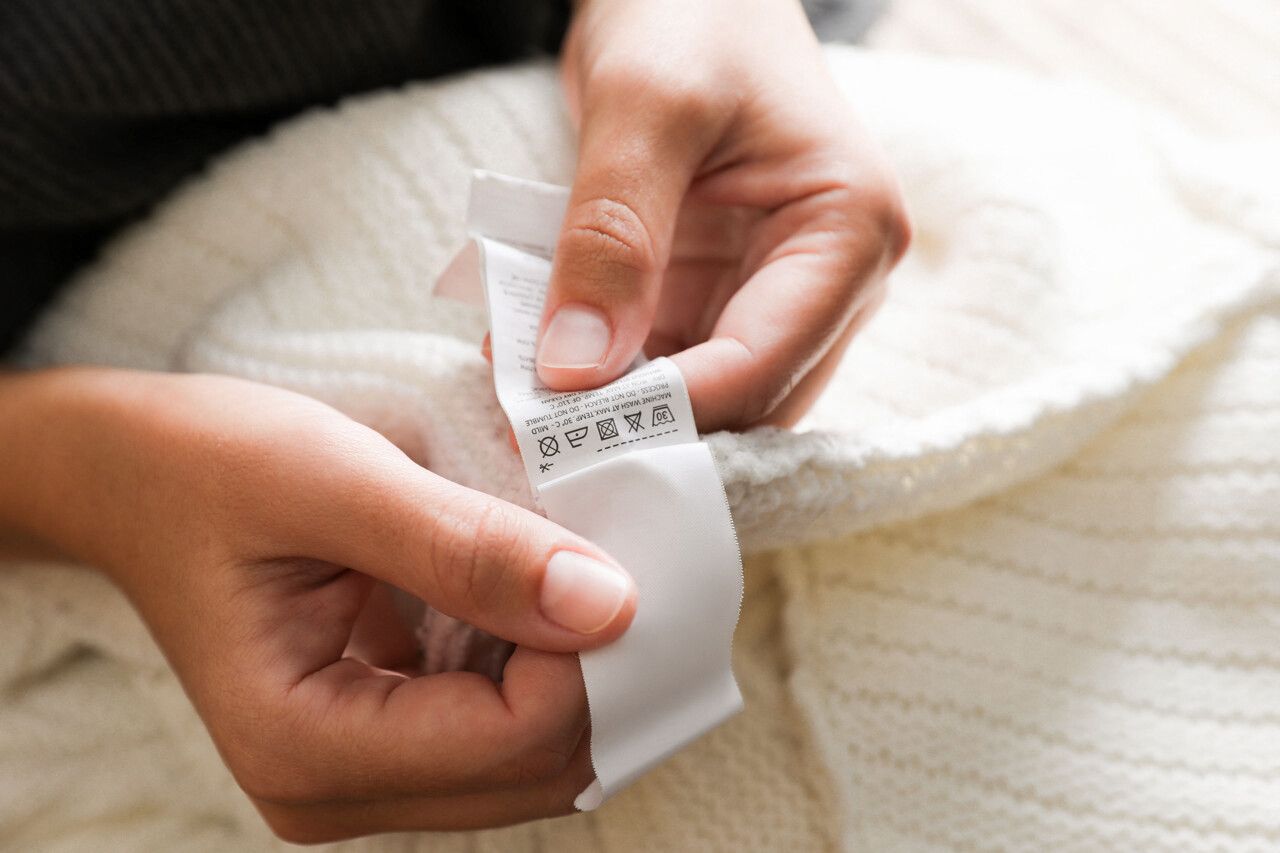
Textiles. For 10 to 50 products: €10,000 to €25,000 excl. VAT, 2 to 4 months. The calculation tool (Ecobalyse) is free and official. The cost lies in making supplier data reliable (composition, origin, dyeing and finishing processes). A pilot product at €5,000 to €10,000 excl. VAT is the right first step to gauge the effort before deployment across the range. See the comparison of 5 textile tools for tool selection.
What will your scoring cost?
Three choices, your personalised range and the amount payable after Bpifrance funding.
Furniture. A comparable range: €10,000 to €30,000 excl. VAT for 10 to 50 products, 3 to 5 months. The sector's distinctive feature: the variety of materials per item of furniture (wood, foam, springs, textiles, metal, electronics for convertibles) multiplies the data to collect. The public Ecobalyse tool's furniture module is under development; Eco-meuble (FCBA, paid) is used for LCAs under the BP X30-323 frameworks. Details in the furniture guide.
Agri-food. More complex: €15,000 to €50,000 excl. VAT depending on the type of product. Plain yoghurt has few components but requires tracing back to the milk's agricultural practices. A ready meal multiplies ingredients, each with its own supply chain to trace. Pilot product: €8,000 to €15,000 excl. VAT.
Cosmetics. €10,000 to €30,000 excl. VAT for PEF scoring on a few products, using PEFCR Cosmetics as the framework. Primary data to collect: full composition, ingredient origins (especially surfactants and vegetable oils), detailed packaging, use scenario (rinse-off versus leave-on). A similar budget to textiles for equivalent boundaries. See the cosmetics eco-design guide.
2Why 70% of the cost lies in supplier data
This is the least understood mismatch in the subject. A brand looking at Ecobalyse or Eco-meuble naturally thinks, "the tool is free, so it is free". Operational reality is different: sound scoring requires detailed primary data across the whole chain, and most brands do not have these data structured.
In practice, for one textile product: fibre-by-fibre composition (exact percentages, geographic origin), spinning process, weaving or knitting process, dyeing technique (reactive, acid, disperse, heating method), finishing process, manufacturing location, transport mode. At least five to ten exchanges with the supplier, sometimes tier 2, for a single product. Multiplied by 30 products, this means 30 to 50 person-days of structured collection.
An example from practice. In 2025, we supported a furniture brand expecting a €12,000 excl. VAT bill for its flagship range. Scoping revealed that three of eight suppliers had no structured environmental data, and a fourth had them but only internally. The project rose to €22,000 excl. VAT for additional collection. This was not the consultancy exceeding its scope: it was a failure of initial mapping that no tool can remedy.
3Grants that reduce the bill
Bpifrance Diag Éco-conception: covers 60 to 70% of an 18-day engagement (€18,000 excl. VAT) that includes the LCA evaluation of a product, service or process and an eco-design plan; it does not fund scoring across a whole range. Typical cost payable by the company: €5,400 to €7,200 excl. VAT for a French industrial SME. This is the most consistently available and least known grant. Conditions: be a French SME with fewer than 250 employees, have carried out no LCA on the product in the past 3 years, use a consultancy listed by Pôle Éco-conception.
Regional ADEME grants: some regional offices offer complementary eco-design schemes. These can be combined with the Diag in most regions. Check with your regional office before requesting any quote.
No other direct grants for environmental labelling as such. No research tax credit funding (this is not R&D), no specific France 2030 funding. Grants exist around it: for internal training, broader LCA, Bilan Carbone®. See the climate funding overview for the full mapping.
4The three traps that make a quote balloon
Trap 1: confusing tool cost with total cost. Three specialist SaaS providers (Carbonfact, Fairly Made, Glimpact) charge for platform access on quotation, depending on product numbers and modules, without public pricing. But the tool does not perform scoring by itself: you still need to collect, validate and model. The subscription does not cover this collection work. If you are presented with a €4,000 excl. VAT quote for complete scoring on 20 products, it costs the tool and forgets the rest.
Trap 2: scoring sold without collection. Some consultancies sell "quick scoring" at €6,000-€8,000 excl. VAT, based solely on data already available at the client. The result is technically a score, but calculated using 40 to 60% penalising default values (worst-case scenarios for undocumented parameters). The displayed score will automatically be worse than reality, and need redoing as soon as you want a defensible score. It is a false economy.
Trap 3: the fixed fee without an improvement plan. Scoring delivered without identified eco-design opportunities is a dead deliverable. Its business value comes from what you do with it: which categories to tackle first, which material choices, which supplier renegotiations. A competent consultancy systematically adds this component (often 20 to 30% of the total budget). A quote that removes it "to save money" produces a score rather than a decision.
The right approach before signing: request a breakdown of person-days by phase (scoping, supplier collection, modelling, calculation, writing, improvement opportunities). For textile scoring at €18,000 excl. VAT, you should see 18 to 22 days spread across 5 phases, with supplier collection at a minimum of 50%. If it is below that, the quote will overrun during the engagement, and you will pay the extra.
5Frequently asked questions
6Key takeaways
- Reference range: €10,000 to €50,000 excl. VAT for initial scoring on 10 to 50 products.
- The actual cost category: 70% of the bill lies in collecting and making supplier data reliable, rather than the tool subscription.
- Bpifrance Diag Éco-conception covers 60 to 70% of an €18,000 excl. VAT engagement for an eligible SME, leaving €5,400 to €7,200 excl. VAT payable by the company, without covering scoring across a whole range.
- Three recurring traps: quotes costing the tool without collection, quick scoring with 40-60% default values, a fixed fee without an improvement plan.
The right approach before accepting a quote is not to compare the totals at the bottom of the page, but to request a breakdown of person-days by phase (scoping, supplier collection, modelling, calculation, improvement opportunities). For textile scoring at €18,000 excl. VAT, you should see 18 to 22 days spread across five phases, with supplier collection at a minimum of 50%. If it is below that, the quote will overrun during the engagement and you will pay the extra. Our environmental labelling support specifies the products studied, calculation method, data to collect and results to deliver.
Sources: fee schedules of consultancies belonging to ABC and Pôle Éco-conception, Bpifrance Diag Éco-conception conditions, ADEME Ecobalyse database, Celsius engagement experience 2024-2026.