
- 1The EUDR, the European regulation against imported deforestation, covers 7 commodities and their derivatives.
- 2No further postponement: 30 December 2026, June 2027 for small operators.
- 3Only the operator importing or producing submits a statement; processors and resellers retain references.
- 4Obtain plot geolocation now from suppliers at origin.
From 30 December 2026, any company placing on the European market, reselling or exporting cocoa, coffee, palm oil, soya, natural rubber, wood or cattle and their meat, or any of their derivatives listed by customs code, falls within the EUDR, the European regulation against imported deforestation. Micro and small enterprises that import or produce themselves have until 30 June 2027, except for wood. They do not all bear the same burden: only the one placing the product on the Union market for the first time submits a statement, including geolocation of the plots of origin; those further down the chain retain references.
Your role, obligations and application date
Choose what you do with a covered product (coffee, cocoa, wood, paper, furniture…) and your company size.
The legislation has been postponed 2 times, simplified in December 2025, and many companies are waiting for a third postponement. No legislation provides for this as of 28 September 2026: the Commission ruled out any further amendment to the regulation in its report of 4 May 2026, and its latest acts, published in July and September, organise implementation. The useful question becomes your role in each supply chain.
1What is the regulation against imported deforestation?
Regulation (EU) 2023/1115, which the Commission calls EUDR (EU Deforestation Regulation) and French customs calls RDUE, prohibits selling in the Union products from land deforested after 31 December 2020. It replaces the 2010 Timber Regulation, known as RBUE, which addressed only the legality of harvesting, and extends the requirement to 6 other commodities.
A European regulation, applicable without a French law
Many search for a "directive" or "law" on imported deforestation: the legislation is a regulation, applicable as it stands in the 27 Member States, without transposition. France designates its inspection authorities and sets penalties within the framework it establishes. Like the carbon border mechanism, it relies on customs, which must know the statement number before releasing the goods. And like any European regulation, it cannot be undone at the whim of a national election.
The 3 cumulative conditions
An affected product may be placed on the market, resold or exported only if it meets 3 conditions simultaneously, set out in Article 3:
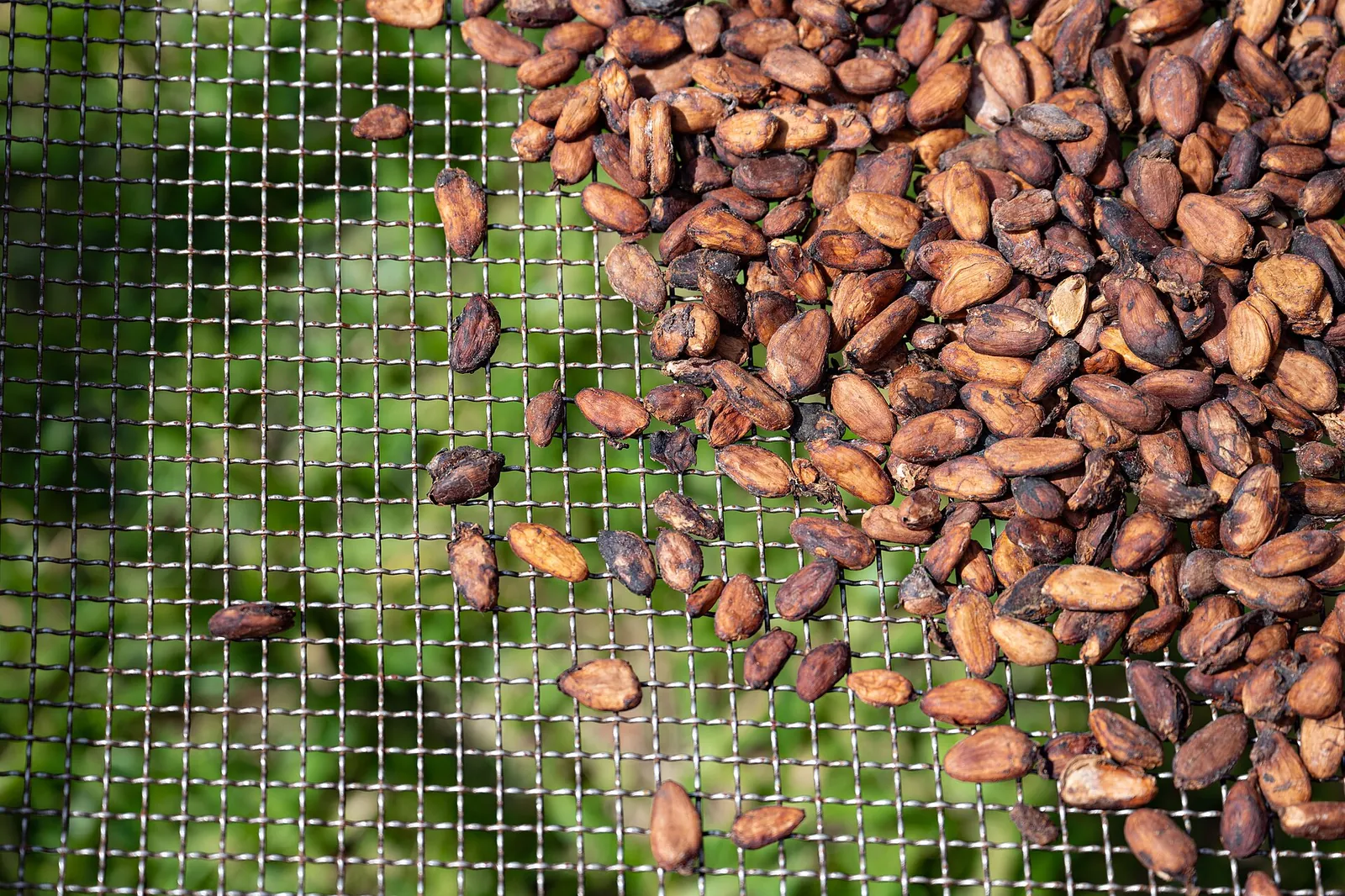
- Deforestation-free: its commodities come from land that has not been deforested after 31 December 2020; for wood, harvesting has not degraded the forest after that date.
- Legal in the country of production: land rights, environment, forestry rules, labour law, indigenous peoples' rights, tax and customs.
- Covered by a due diligence statement, or by a simplified declaration for the smallest producers in low-risk countries.
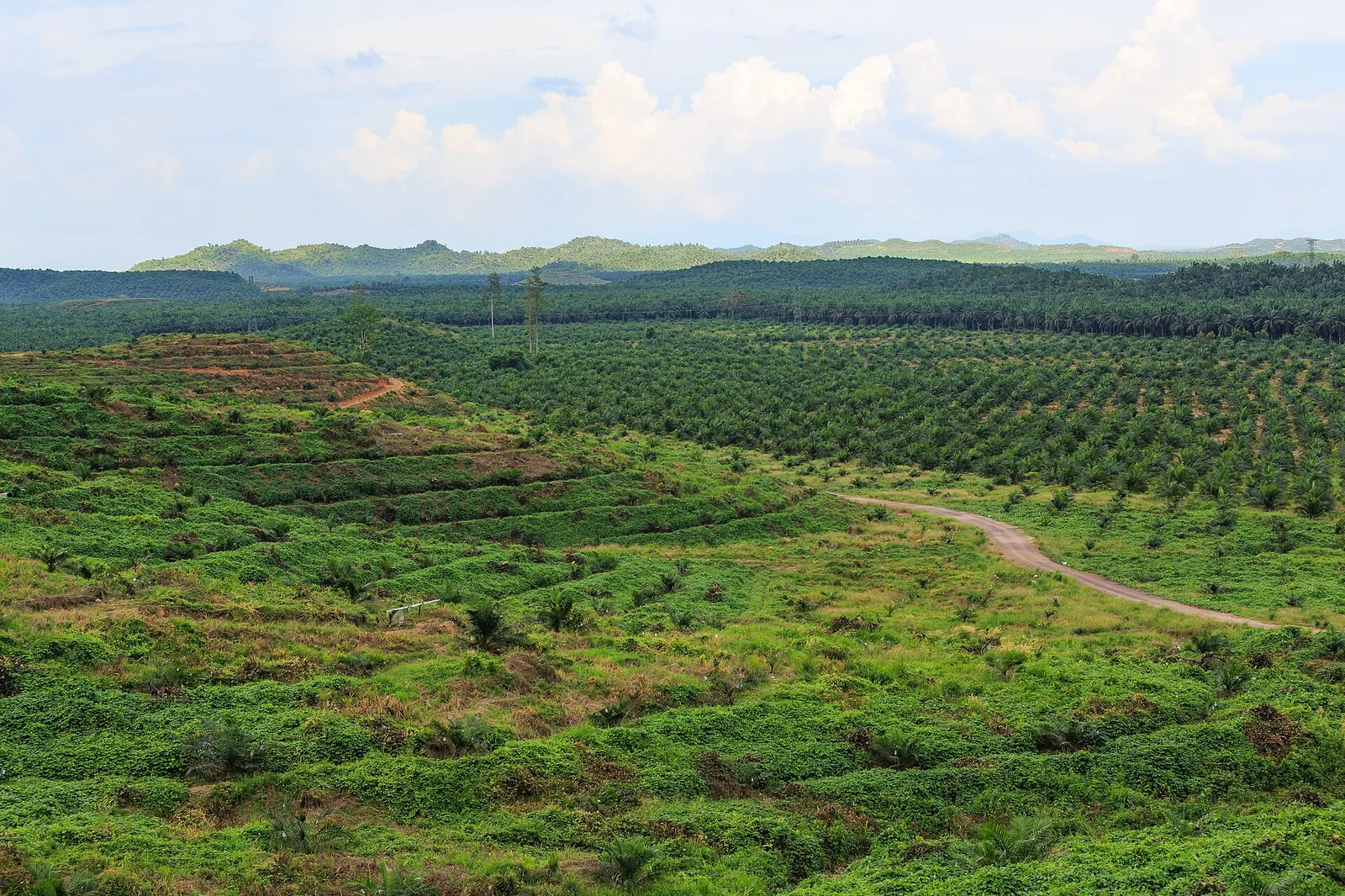
Forest means an area of more than 0.5 hectares, with trees taller than 5 metres and canopy cover above 10%. A palm or cocoa plantation is not a forest; replacing a forest with a plantation is, however, deforestation, and any deforestation after 2020 on a plot blocks all products originating from it.
Why these 7 commodities
According to the study used by the legislator, oil palm (34%) and soya (32.8%) together account for 66.8% of deforestation attributable to European consumption, far ahead of wood, cocoa, coffee, cattle and rubber. Between 1990 and 2008, the Union imported and consumed one third of the agricultural products associated with deforestation traded worldwide, and its consumption caused 10% of global deforestation linked to goods and services production.
2No 3rd postponement is planned as of 28 September 2026
The regulation was due to apply on 30 December 2024. It has been postponed 2 times by one year, through legislation adopted each time just days before the deadline, and this precedent fuels expectations of another delay.
In 2 years, 2 postponements and a simplification
Regulation 2024/3234 of 19 December 2024 delayed application until 30 December 2025, and 30 June 2026 for small enterprises. Regulation 2025/2650 of 19 December 2025, in force since 26 December, postponed it by a further 12 months and reduced downstream obligations: companies processing or reselling no longer have to submit a statement, and the smallest producers in low-risk countries submit a single statement.
The Commission has proposed no further postponement
The December 2025 legislation required the Commission to deliver a simplification report before 30 April 2026, accompanied by a legislative proposal "where appropriate". Its report of 4 May 2026 concludes that it does not consider further amendments to the legislation appropriate, in the interests of legal certainty, and estimates the reduction in annual compliance costs enabled by simplification at around 75%, from €8.1 to €2 billion per year.
Application dates, legislation by legislation
Each lane shows the timetable set by a legislative text. Only the December 2025 regulation's timetable applies; no further postponement has been proposed as of 28 September 2026.
The Commission preferred 2 implementing measures: a delegated regulation adjusting the product list, published in the Official Journal on 17 September 2026 and in force since the following day, and an update to the statement system, reopened in late June. The only legislative proposal submitted since, on 10 September, would exclude French Guiana from the regulation's territorial scope, without changing the timetable.
As of 28 September 2026, no postponement proposal has been submitted: the regulation applies on 30 December 2026, and on 30 June 2027 for micro and small operators.
A date change would require a new regulation adopted by the European Parliament and the Council before 30 December. Nothing currently indicates this, and the Commission is training companies on its statement system in October 2026.
Products placed on the market before the deadline remain outside the scope
Large and medium-sized enterprises apply the regulation from 30 December 2026. Micro and small operators, if they already had this size on 31 December 2024, have until 30 June 2027, except for wood and derivatives already covered by the Timber Regulation. This extension applies only to operators: a processor or reseller, even a micro-enterprise, is subject from 30 December 2026, solely for products that the upstream operator placed on the market after its own application date.
The legislation covers only products placed on the market after it starts applying. According to the Commission guidance document, a batch of cocoa beans imported in November 2026 escapes the obligations, as does chocolate made from it and sold in 2027, provided the date of first placing on the market can be proved. Wood harvested before 29 June 2023 remains subject to the old Timber Regulation until 31 December 2029.
3Affected products are identified by customs code
The scope is read line by line in Annex I, which lists Combined Nomenclature codes: the product's customs code decides. Chocolate (1806) is covered; a chocolate biscuit classified under code 1905 escapes the regulation, as does a printed book since December 2025, while pulp, paper and cardboard (Chapters 47 and 48) remain covered.
The 7 commodities, their derived products and what changes
The bar shows each commodity's share of deforestation attributable to European consumption. Products are followed by their customs code.
What left the scope in December 2025 and September 2026
The December 2025 regulation removed publishing and printing products (Chapter 49): a printer no longer declares books, newspapers or catalogues, but remains an operator if it imports its own paper. The Delegated Regulation of 13 July 2026 removed cattle leather and hides, belts and other articles of vulcanised rubber, retreaded tyres (only the new tread remains covered), seed soya and car and aircraft seats.
What enters on 30 December 2027
The same act adds, from 30 December 2027, soluble coffee, frozen cattle tongues and a series of palm-derived oleochemicals: hydrogenated oils, crude glycerol, fatty alcohols, esters, soaps. Manufacturers of soaps, cosmetics and chemicals purchasing these ingredients have one additional year to obtain the oil's origin from their suppliers.
Packaging, second-hand products, waste: cross-cutting exclusions
A cardboard box or pallet used to carry or protect goods is not covered, whether or not the goods are; sold in their own right, the same packaging falls within the scope. The pallet and packaging manufacturer is therefore affected for the pallets it sells; the manufacturer using them to ship its products has nothing to declare on this basis.
Also excluded are second-hand products, waste, products entirely manufactured from recycled materials, commercial samples, and bamboo, rattan and synthetic rubber. A cardboard manufacturer mixing recycled fibres and virgin pulp remains affected for the virgin share, another argument for packaging eco-design measures.
4Only the operator submits a due diligence statement
Since the December 2025 revision, the regulation distinguishes 3 roles, and the role is assessed product by product: the same company can be an operator for the green coffee it imports and a trader for chocolate bars it buys from a French wholesaler.
The operator, placing the product on the Union market
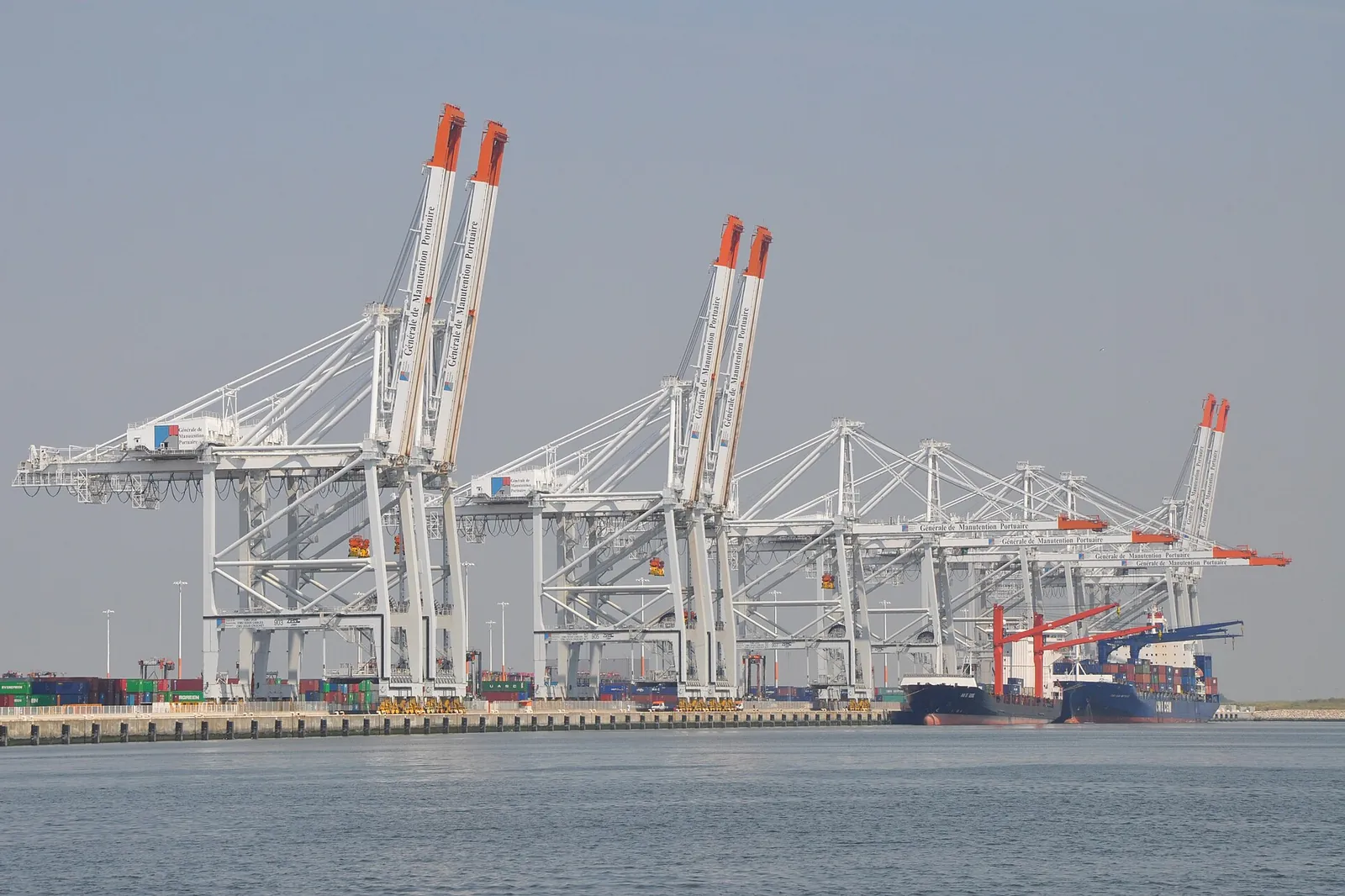
The operator is the first company placing the product on the Union market, to sell, process or use it in its own activity. For an imported product, this is in principle the importer declared to customs when released for free circulation; if it is established outside the Union, the first company established in the Union reselling the product is deemed the operator. For a European product, it is the company selling it once produced: the farmer transferring its cattle, the forest owner or harvester selling harvested wood.
Freight forwarders and customs representatives that do not own the goods are neither operators nor traders. The operator exercises due diligence, submits the statement and passes its reference number to its customers, following a market-placement logic similar to the Packaging Regulation.
The downstream operator, processing the product
The downstream operator places on the market a new covered product manufactured from products already covered by a statement: a chocolate maker buying beans from a European importer, an example cited by the Commission, a roaster buying customs-cleared green coffee, a furniture manufacturer buying boards from a French sawmill. It submits no statement and does not have to verify its supplier's diligence.
Its obligations are limited to collecting and retaining for 5 years the contact details of suppliers and business customers, plus the statement reference number when its supplier is the operator itself. If it is not an SME, it registers in the Commission's information system.
The trader, reselling without processing
The trader resells within the Union a product already there, without processing it: wholesaler, distributor, supermarket chain, timber merchant. Its obligations are those of the downstream operator. Only the first buyer after the operator collects reference numbers; further down the chain, only supplier and customer contact details are retained.
Who submits a statement and who retains records, chain by chain
Only one company per flow submits the due diligence statement. Each arrow shows what passes from one link to the next.
Large downstream players that are not SMEs have one additional obligation: faced with a substantiated concern, for example a documented NGO report, they inform the authorities and verify upstream diligence before selling. Whatever its size, the first buyer cannot legally resell a product received from the operator without its reference number.
Since December 2025, only the company placing the product on the Union market submits the due diligence statement; downstream businesses retain reference numbers and contact details.
Micro and small producers in low-risk countries
The final category is the micro or small primary operator: a micro or small enterprise established in a low-risk country selling what it has itself grown, harvested or reared, such as a cattle farmer or small French forest owner. It submits a single simplified declaration, updated in the event of a major change, and may give the postal address of its plots instead of GPS coordinates. It is exempt when the State already makes these data available, a case the legislation primarily addresses for cattle, traced in national databases.
5What due diligence requires of the operator
Due diligence comprises information collection, risk assessment and, where necessary, risk mitigation (Article 8), all completed before placing on the market or exporting. It results in a statement submitted online.
Collect: geolocation of every plot
The information required by Article 9 ranges from product description (trade name, quantity in kilograms, common and scientific names of wood species) to coordinates of all plots where the commodities were produced, with the date or production period. A latitude and longitude point to 6 decimal places suffices for a plot of 4 hectares or less; above this, a polygon describing the boundary is required. For cattle, all establishments where the animal was kept are geolocated.
Supplier and customer contact details are also required, along with "sufficiently conclusive and verifiable" information on the absence of deforestation and legality of production, such as land titles or harvesting permits, to be retained for 5 years.
What a due diligence statement contains
Click a form field to see what the regulation requires.
Coordinates of all plots of origin: a point to 6 decimal places up to 4 hectares, a polygon above this.
DetailFor cattle, all establishments where the animal was kept. The system accepts GeoJSON files.
Annex II, point 3; Article 2, point 28
Assess then mitigate risk, according to country of origin
The operator then analyses risk against the 14 criteria in Article 10: risk level of the country of production, presence of forests and indigenous populations, corruption, chain complexity, risk of mixing with products of unknown origin. If risk is not negligible, it mitigates it through additional information, audits or independent investigations; if it cannot, it does not place the product on the market.
Country classification, established by Implementing Regulation 2025/1093, weighs heavily on the workload: 140 countries are classified as low risk, including the 27 Member States, the United States, China, India, Vietnam and Ghana; 4 as high risk, Belarus, North Korea, Myanmar and Russia. All others, including Brazil, Indonesia, Malaysia, Côte d'Ivoire and Cameroon, are standard risk.
For commodities originating exclusively from low-risk countries, the operator is exempt from assessment and mitigation; collection remains required, including geolocation. To quantify compliance costs, the Commission states in its May 2026 report that 51% of importing operators fall within this case.
Submit a statement in the information system before placing on the market
The statement is submitted in the Commission's information system, a module of the TRACES platform open since December 2024, online or by API. It includes the customs code, quantity, country of production, geolocation and a signed undertaking; the system issues a reference number, which the operator passes to its customers and which customs must know before release for free circulation. The same statement can cover several shipments over one year.
Operators that are not SMEs have 3 additional obligations: a compliance officer at management level, an independent audit function and a public annual report on their diligence system, which companies already required to produce a sustainability disclosure or a transition plan have an interest in aligning with those documents.
6What does a company that is not ready risk?
Each State sets its penalty regime, but the regulation dictates the basis and measure: "effective, proportionate and dissuasive" penalties, calculated to deprive the company of the benefit of the infringement.
A fine with a maximum of at least 4% of European turnover
For a legal person, the maximum fine must reach at least 4% of its total annual turnover in the Union, and be increased if necessary to exceed the economic benefit derived from the infringement. The other penalties provided by Article 25:
- Confiscation of the products concerned and revenue from the transactions.
- Exclusion from public procurement and public funding for up to 12 months, a direct risk for companies responding to tenders.
- Temporary prohibition on placing on the market or exporting, and loss of the right to simplified diligence, in the event of a serious or repeated infringement.
Final convictions are published on the Commission's website, with the company's name, the facts and the penalty.
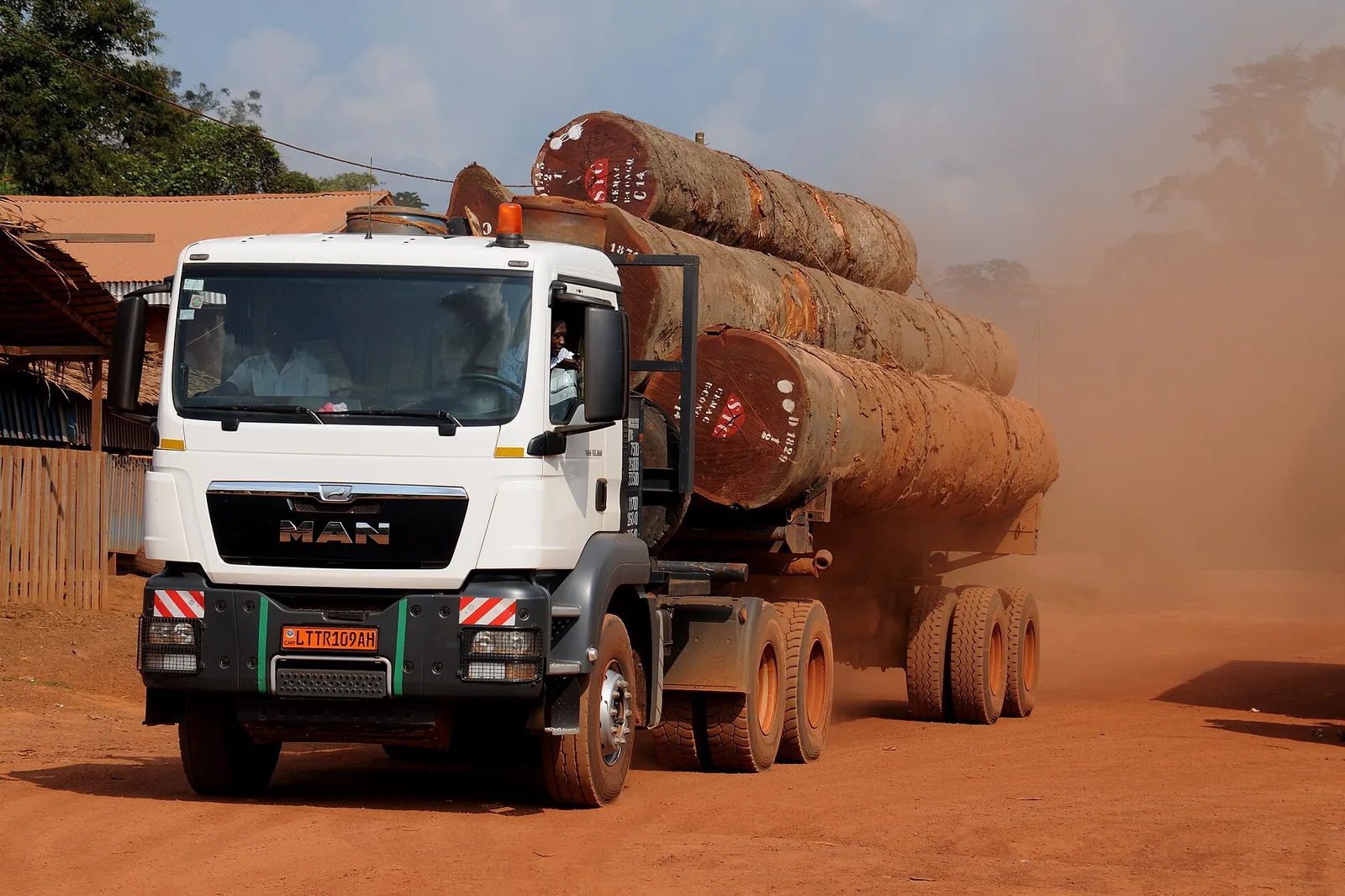
Inspections proportionate to the risk of the country of origin
Each State annually checks at least 1%, 3% or 9% of operators, and downstream players that are not SMEs, depending on whether their commodities come from low-, standard- or high-risk countries, and 9% of quantities in the last case. Customs suspends release for free circulation of a batch designated for inspection. Any person, NGO or competitor may also submit a substantiated concern to the authorities, which they must examine without undue delay.
In France, the Commission's list, updated on 22 September 2026, designates 2 competent authorities: the Ministry for Ecological Transition, through its General Commission for Sustainable Development, and the Ministry of Agriculture, through its Directorate-General for the Economic and Environmental Performance of Enterprises (DGPE).
In communications, a "deforestation-free" claim on packaging also falls under rules on environmental claims, tightened by the EmpCo Directive: it requires evidence matching the promise.
7Where to start before 30 December 2026
For us at Projet Celsius, the costliest mistake would be to bet on a 3rd postponement: no legislation prepares for it, and plot geolocation is collected from tier 2 or 3 suppliers, cooperatives, traders or sawmills that do not respond within a few days.
- List your products by customs code and compare them with amended Annex I, including purchased ingredients and components: code 1806, 4412 or 9403 triggers the regulation, code 1905 does not.
- Determine your role flow by flow: import or production (operator), processing of an already declared product (downstream operator), resale without processing (trader).
- If you are an operator, ask your suppliers for plot geolocation, using polygons above 4 hectares, and evidence of legality; check the classification of each country of origin; formalise your diligence system.
- Open your account in the information system and test an initial statement; as a downstream operator or trader, register if you are not an SME.
- Adapt your contracts: transmission of reference numbers, audit rights, rejection of a batch delivered without geolocation.

The same origin data are useful beyond the EUDR: they feed scope 3 of a Bilan Carbone®, accounting for emissions linked to material purchases, and provide the precise origin needed for calculating a product's carbon footprint. They also prepare for the digital product passport, which furniture is also awaiting, and make a furniture environmental score calculated from actual data more reliable.
8Key takeaways
- 30 December 2026 for large and medium-sized enterprises, 30 June 2027 for micro and small operators, except for wood: no further postponement is planned as of 28 September 2026.
- 7 commodities and their derivatives, listed by customs code: leather and printed products have left the scope, soluble coffee and palm derivatives enter on 30 December 2027.
- Only the operator, importer or producer, submits the due diligence statement, including geolocation of each plot.
- Downstream operators and traders retain reference numbers and contact details for 5 years, and register if they are not SMEs.
- The maximum fine reaches at least 4% of European turnover, with confiscation and possible exclusion from public procurement.
To place the EUDR among obligations depending on company size, our overview of CSR obligations takes stock, and our CBAM guide for manufacturers and producers details the other European regulation that relies on customs. If emissions from your purchases of agricultural commodities have never been quantified, a Bilan Carbone® provides their order of magnitude, using the same origin data.
- Base regulation: Regulation (EU) 2023/1115 of 31 May 2023, OJ L 150 of 9 June 2023: Articles 2, 3, 4, 5, 8 to 14, 16, 25, 26, 29, 31, 34, 37 and 38, Annexes I and II; recitals 2, 18 and 38.
- Postponements and simplification: Regulation (EU) 2024/3234 of 19 December 2024; Regulation (EU) 2025/2650 of 19 December 2025, OJ of 23 December 2025, in force on 26 December 2025; customs news of 24 December 2025.
- Product scope: Delegated Regulation (EU) 2026/2102 of 13 July 2026, OJ of 17 September 2026, in force on 18 September 2026; new products applicable from 30 December 2027.
- Country classification: Implementing Regulation (EU) 2025/1093 of 22 May 2025: 140 low-risk countries (English version; the French version omits one, the Central African Republic), 4 high-risk countries, all others standard risk.
- European Commission: Report COM(2026) 191 of 4 May 2026; guidance document, 3rd edition, OJ C/2026/3896 of 20 July 2026; news of 13 July 2026; EUDR information system (TRACES); proposal for a Council Regulation COM(2026) 661 of 10 September 2026, Article 3 (French Guiana).
- Competent authorities: List of competent authorities designated under Article 14, European Commission, updated on 22 September 2026: for France, Ministry for Ecological Transition (General Commission for Sustainable Development) and Ministry of Agriculture and Food Sovereignty (DGPE).
- Size thresholds: Directive 2013/34/EU, Article 3, paragraphs 1 and 2, amended by Delegated Directive (EU) 2023/2775 of 17 October 2023.